
Transforming Medical Education: Embracing Technology for Enhanced Learning
Harnessing the Power of Innovation to Shape Future Healthcare Professionals
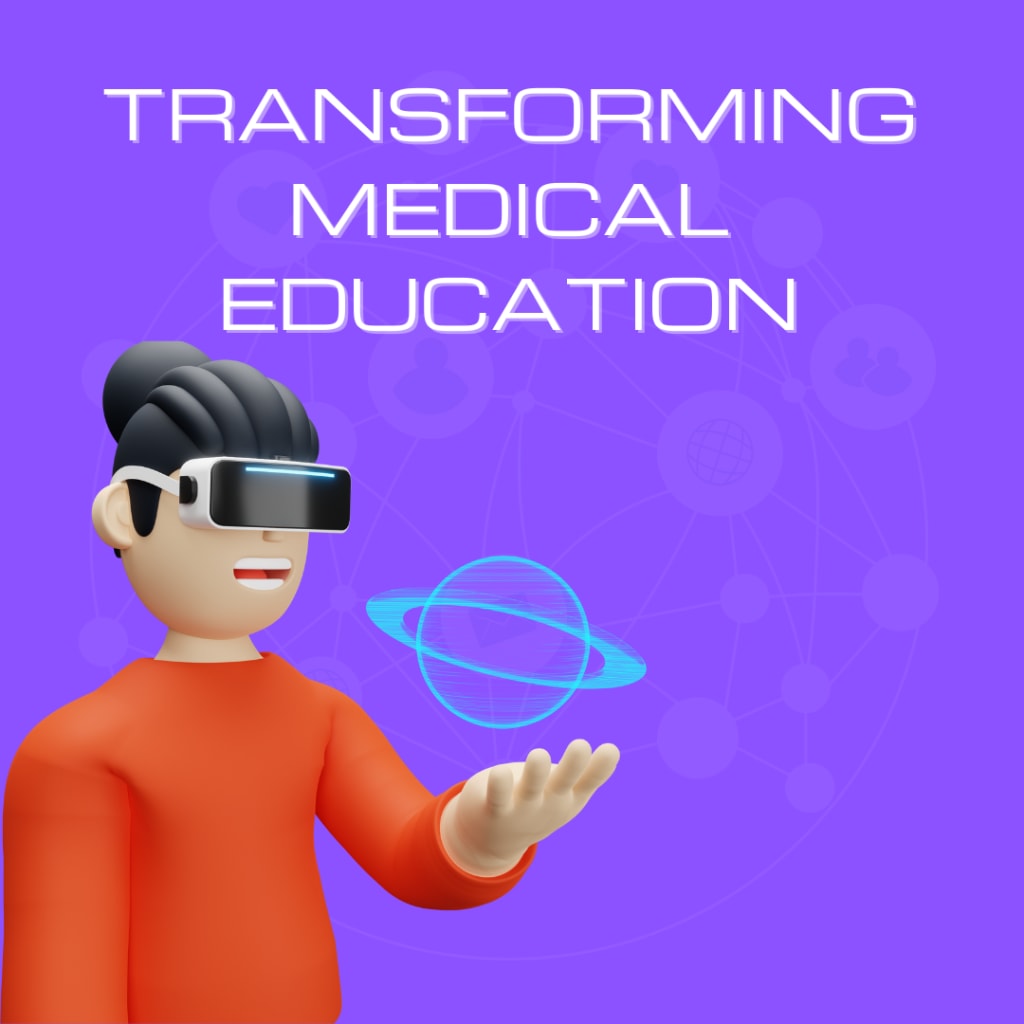
The field of medical education is undergoing a significant transformation, driven by advancements in technology and an evolving understanding of how people learn. In this digital age, medical educators are leveraging innovative tools and platforms to enhance the learning experience, improve knowledge retention, and prepare future healthcare professionals for the challenges of the modern healthcare landscape. In this article, we delve into the impact of technology on medical education, exploring how it is revolutionizing teaching methodologies, fostering interactive learning environments, and empowering students to become lifelong learners.
Virtual Reality (VR) and Simulations in Medical Training: Virtual Reality (VR) and simulations have revolutionized medical training, providing students with immersive and realistic learning experiences. VR allows students to engage in simulated surgeries, medical procedures, and clinical scenarios, enhancing their skills, decision-making abilities, and confidence. Simulations offer a safe environment for students to practice critical thinking, teamwork, and communication skills, preparing them for real-world healthcare settings.
Online Learning Platforms and Mobile Applications: Online learning platforms and mobile applications have become valuable resources for medical students. These platforms offer a wide range of educational materials, including lecture videos, interactive modules, and practice quizzes, accessible anytime and anywhere. Students can engage in self-paced learning, review complex topics, and reinforce their understanding of medical concepts. Mobile applications provide quick access to medical textbooks, clinical guidelines, and medical reference materials, facilitating learning on the go.
Collaborative Learning and Remote Education: Technology has fostered collaborative learning and remote education in medical programs. Online discussion forums, video conferencing tools, and virtual classrooms enable students to engage in group projects, share knowledge, and collaborate with peers and faculty members regardless of geographical barriers. Remote education has also made it possible for students in underserved areas to access quality medical education, bridging gaps and ensuring equal opportunities for aspiring healthcare professionals.
Data Analytics and Personalized Learning: The utilization of data analytics in medical education allows for personalized learning experiences. Learning management systems can track students' progress, identify areas of weakness, and provide targeted feedback. Adaptive learning platforms use algorithms to tailor educational content to individual students' needs, optimizing their learning journey. Personalized learning promotes self-directed learning, addresses students' unique learning styles, and enhances knowledge retention.
Augmented Reality (AR) in Medical Education: Augmented Reality (AR) is revolutionizing medical education by overlaying virtual elements onto the real world. AR applications enable students to visualize complex anatomical structures, explore medical imaging, and interact with three-dimensional models. AR enhances spatial understanding, improves anatomical knowledge, and facilitates hands-on learning experiences. Technology is reshaping the landscape of medical education, opening up new possibilities for interactive and personalized learning. Embracing technology in medical education equips students with the skills and competencies needed to thrive in a rapidly evolving healthcare industry. By harnessing the power of virtual reality, online platforms, collaborative learning, data analytics, and augmented reality, medical educators can create engaging and effective learning environments. Embracing these technological advancements will ensure that future healthcare professionals are well-prepared to provide quality care and contribute to advancements in the field of medicine.
In the era of advancing technology, Era University is spearheading a transformative change in healthcare by bridging the gap between rural areas and quality medical services. With a strong commitment to leveraging technological innovations, Era University is revolutionizing healthcare delivery in rural communities, bringing essential medical services to the doorsteps of those who need them the most. Rural areas often face significant challenges in accessing quality healthcare services due to geographical barriers, inadequate infrastructure, and a shortage of healthcare professionals. These communities are in urgent need of innovative solutions that can bridge this healthcare divide and provide equitable access to medical care. Era University recognizes the transformative potential of telemedicine in reaching remote areas.
By utilizing telecommunication technology, doctors can remotely diagnose patients, offer medical advice, and prescribe treatments. Through virtual consultations, patients in rural areas can access timely healthcare services without the need for long and expensive travel. Through the use of wearable devices and real-time data analytics, doctors can remotely monitor patients' vital signs, detect early warning signs, and intervene proactively. This approach ensures that patients in rural areas receive timely interventions and personalized care, even without physical proximity to healthcare facilities. To overcome the challenge of inadequate healthcare infrastructure in rural areas, Era University has implemented mobile healthcare units. These units are equipped with medical professionals, diagnostic equipment, and essential medicines. They travel to remote villages, providing on-the-spot medical consultations, diagnostics, and treatment, effectively bringing healthcare services to the doorsteps of underserved communities.
About the Creator
Real Time Success: Simple Time Management Methods That Deliver Real Results
Time can feel hard to control, but simple time management methods can make each day easier and more productive. Many people think they need complex systems or expensive tools to stay organized. The truth is that small changes often bring the most significant results. When you use simple time management methods that fit your daily life, you build habits that last and help you get more done with less stress. This article shows how to use these methods clearly and practically so you can see real results fast.
By Norman Badgerabout 22 hours ago in Education
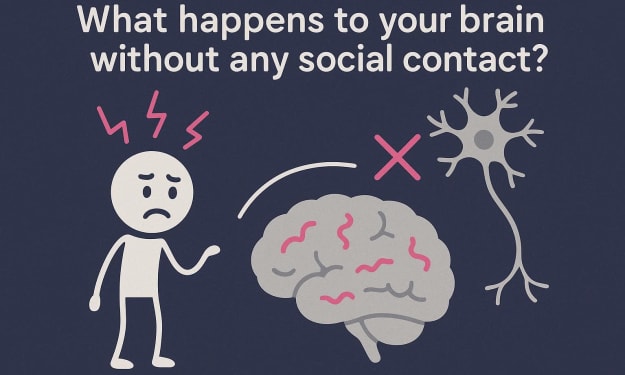
What happens to your brain without any social contract?
Everyone needs time to themselves, and peaceful solitude has stress-relieving benefits. But being alone takes on an entirely different dimension when it creeps up or is forced upon you. When that's the case, the effects can be surprisingly extensive. And though different people experience distinct effects at different times, symptoms tend to become more severe and persistent the longer one's isolated. When someone is involuntarily confined to one space indefinitely— for days, weeks, months, or even years—
By Munesh Yadav 5 days ago in Education



Comments (1)
You are right, now there are more opportunities for learning, or learning new information in particular for students of medical colleges. I even saw our professor use the https://govizle.com video converter to convert several hours long YouTube videos into accessible slides and text for quick learning and showing important things.