
Transducers:Bridge Between Energy
One form of Energy To Another Form

Introduction:
Transducers are remarkable devices that serve as the crucial link between energy and information. They play a fundamental role in various fields, from electronics and telecommunications to medicine and industrial applications. In this article, we will explore the fascinating world of transducers, delving into their principles, types, and diverse applications, showcasing their significant impact on modern technology.
1. Understanding Transducers:
Transducers are devices that convert one form of energy into another. They act as intermediaries between physical quantities and electrical signals, transforming different types of energy, such as mechanical, thermal, optical, or electromagnetic, into usable electrical signals. Transducers are crucial for capturing, measuring, and transmitting data, enabling the seamless integration of the physical world with electronic systems.
2. Types of Transducers:
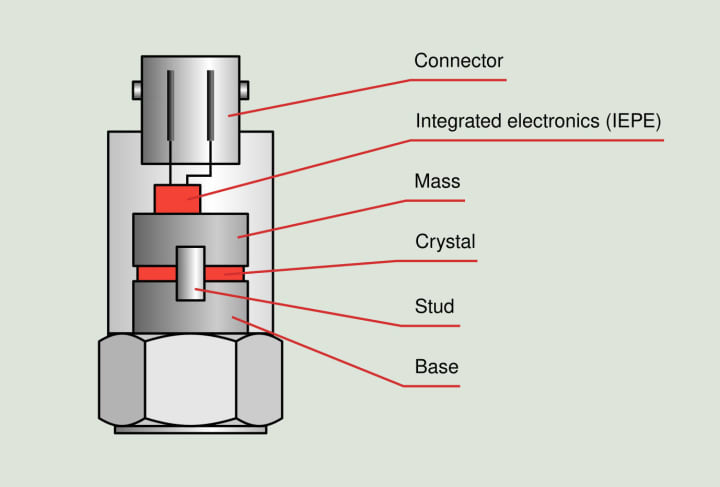
a. Piezoelectric Transducers: These transducers rely on the piezoelectric effect, where certain materials generate an electric charge when subjected to mechanical stress. Piezoelectric transducers find applications in sonar systems, medical imaging, musical instruments, and more.
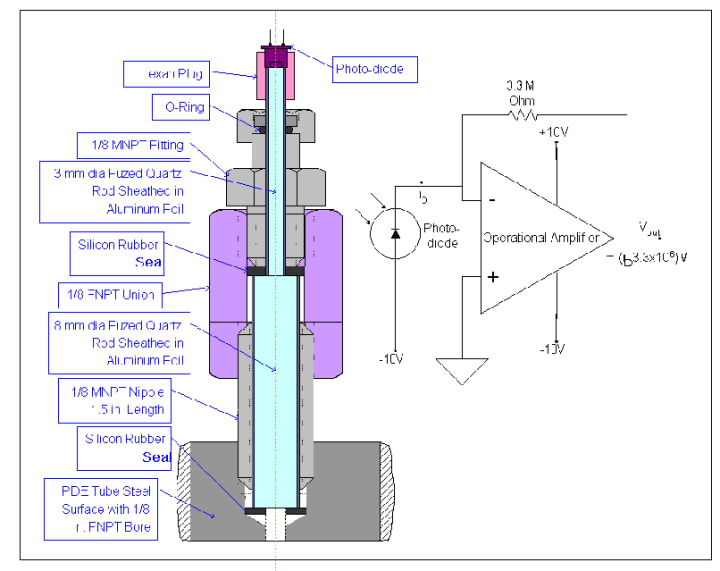
b. Optical Transducers: These transducers convert light energy into electrical signals or vice versa. Devices like photodiodes and photovoltaic cells are examples of optical transducers, playing a vital role in solar energy systems, fiber optics, and digital imaging.
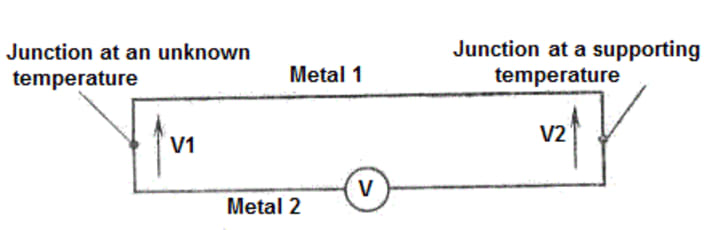
c. Thermoelectric Transducers: Based on the principle of the Seebeck effect, thermoelectric transducers generate electric voltage when there is a temperature difference between two dissimilar conductors. They are utilized in thermocouples for temperature measurement, power generation from waste heat, and temperature control systems.
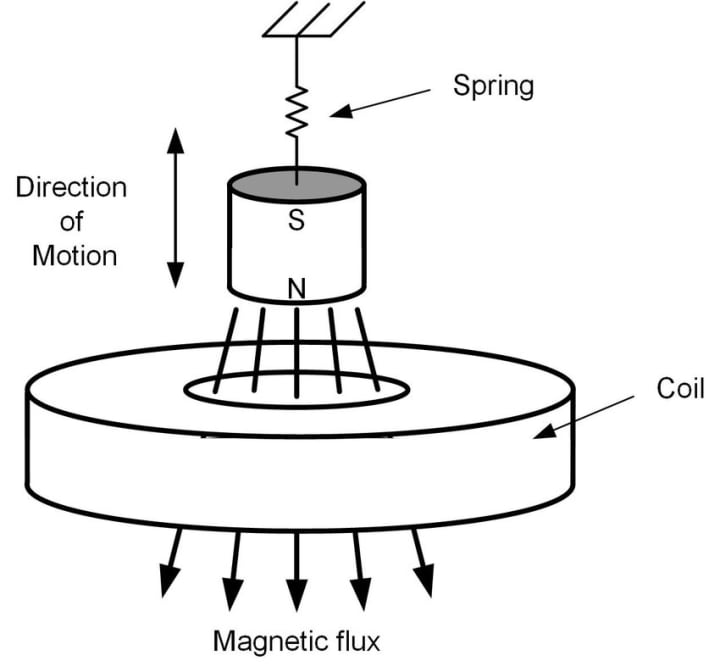
d. Electromagnetic Transducers: These transducers employ the principles of electromagnetic induction to convert mechanical movement or vibrations into electrical signals or vice versa. They are widely used in microphones, loudspeakers, magnetic sensors, and generators.
3. Applications of Transducers:
a. Medical Field: Transducers are extensively used in medical imaging technologies such as ultrasound, where piezoelectric transducers generate and receive ultrasonic waves to visualize internal organs and diagnose medical conditions.
b. Industrial Sector: Transducers are integral to industrial automation, providing essential measurements and feedback for control systems. They are employed in pressure sensors, accelerometers, proximity sensors, and flow meters, enhancing efficiency and safety in manufacturing processes.
c. Communication Systems: Transducers play a vital role in telecommunications, enabling the conversion of sound waves into electrical signals in microphones and vice versa in speakers. They are also used in radio frequency identification (RFID) systems, antennas, and modems.
d. Environmental Monitoring: Transducers are utilized in various environmental monitoring applications, including weather sensors, pollution detectors, and seismic activity monitoring devices. These devices provide critical data for research, forecasting, and disaster prevention.
e.Automotive Industry: Transducers play a vital role in the automotive industry for various applications. They are used in sensors to measure parameters like tire pressure, engine performance, fuel level, and exhaust emissions. Transducers also enable the functioning of proximity sensors, ultrasonic parking sensors, and airbag deployment systems.
f.Robotics: Transducers are employed in robotics to enable sensing and feedback mechanisms. Force transducers and torque sensors provide feedback on the forces and torques experienced by robotic limbs, allowing for precise control and manipulation. Additionally, transducers are used in position and distance sensors for navigation and obstacle detection.
g.Communication Systems: Transducers are integral to communication systems. Microphones convert sound waves into electrical signals, which are then transmitted and received by devices such as telephones, radios, and intercom systems. Similarly, transducers in speakers or headphones convert electrical signals into sound waves for audio output.
h.Aerospace and Defense: Transducers are utilized in aerospace and defense applications for various purposes. They are used in pressure sensors, accelerometers, gyroscopes, and navigation systems to monitor and control the movement and orientation of aircraft, spacecraft, and missiles. Transducers are also employed in sonar systems for underwater detection and navigation.
i.Renewable Energy: Transducers play a role in renewable energy systems. Solar panels use photovoltaic transducers to convert sunlight into electrical energy, while wind turbines utilize transducers to measure wind speed and direction for optimal power generation.
j.Research and Development: Transducers are extensively used in research and development across multiple fields. They enable precise measurements, data collection, and experimental setups in physics, chemistry, materials science, and biology, contributing to advancements in scientific understanding and technological innovations.
Conclusion:
Transducers serve as the crucial interface between physical phenomena and electronic systems, enabling the conversion of diverse forms of energy into useful electrical signals. With their ability to capture, measure, and transmit information, transducers have revolutionized various fields, from healthcare and communication to manufacturing and environmental monitoring. As technology continues to advance, the development of new transducer technologies will undoubtedly pave the way for even more exciting applications, propelling us further into the age of information and connectivity.
About the Creator
Keep reading
More stories from Dinesh karthik and writers in Education and other communities.
"Unveiling the Secrets to Writing an Engaging Blog That Captivates Readers Instantly!"
Introduction: In today's fast-paced digital world, where attention spans are shrinking and information overload is the norm, capturing readers' attention and making your blog stand out from the crowd can be a challenging task. However, fear not! In this blog post, we will explore some tried-and-true strategies that will help you craft an interesting blog that quickly reaches a wide audience. So, let's dive in!
By Dinesh karthik3 years ago in Motivation
This is what happens in your brain when you can't recall and word
You’re sure you know your third grade teacher’s name— it’s like you’re hovering over it in your mind, but it just won’t materialize. Researchers call this tantalizing torment a “tip-of-the-tongue state,” and it's something everyone experiences. But what's actually happening when a word gets caught here? And how can you best get it unstuck? Most of the time, our brains seamlessly summon words from vast stores of knowledge, paring their meaning and sounds, and stringing them into sentences.
By Munesh Yadav2 days ago in Education
How to Succeed at the Benson Directory®
Congratulations and welcome to the Benson Directory® employee #22391! As our newest call handler, you will have the privilege of speaking with dozens of unique and interesting people on a daily basis as well as the opportunity to earn bonuses for high performance. Contained within this handbook you will find a set of ease to follow instructions designed to help you settle in to your new role and begin paving the way to success.
By S. A. Crawford4 days ago in Fiction



Comments
There are no comments for this story
Be the first to respond and start the conversation.