
Trading Hits: NFTs Bring Music Collectibles to Life
Trading Hits
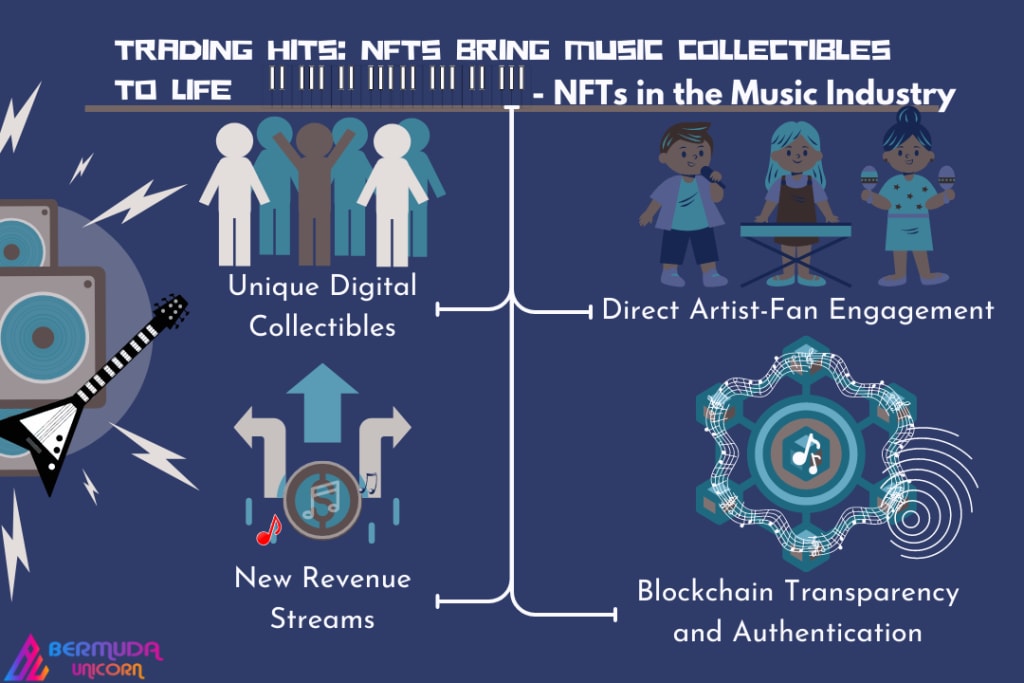
The emergence of Non-Fungible Tokens (NFTs) has extended beyond the realm of visual art and is now revolutionizing the music industry. NFTs have opened up exciting opportunities for music lovers and collectors, enabling the creation and trading of unique digital music collectibles. This article explores the intersection of NFTs and music, highlighting the transformative impact on artists, fans, and the overall music landscape.
NFTs in the Music Industry
1.1 The Rise of Music NFTs
NFTs have provided musicians with a novel way to engage with their audience and monetize their work. Artists can tokenize their music, turning songs, albums, or even unreleased tracks into unique digital assets. NFTs grant ownership rights and create scarcity, making each piece of music a collectible item.
1.2 Unique Music Experiences
Music NFTs offer fans immersive and exclusive experiences. They can access limited editions, special remixes, live concert recordings, backstage passes, or even one-on-one virtual interactions with their favourite artists. NFTs bring a new level of interactivity and intimacy to the music industry, fostering deeper connections between musicians and their supporters.
1.3 Empowering Independent Artists
NFTs have levelled the playing field for independent artists, allowing them to directly connect with their audience and retain more control over their creative work. By bypassing traditional intermediaries, musicians can receive a fairer share of the revenue generated from their music NFTs.
Benefits and Challenges of Music NFTs
a) Enhanced Revenue Streams: Music NFTs offer artists additional revenue streams through initial sales and subsequent royalties. They can earn a percentage of secondary market sales, ensuring ongoing financial support.
b) Fan Engagement and Loyalty: NFTs incentivize fans to actively participate in the artist's journey, leading to increased engagement, loyalty, and support.
c) Creative Freedom: Artists have the freedom to experiment, collaborate, and release music in unconventional formats without the constraints of traditional distribution models.
2.2 Challenges and Considerations
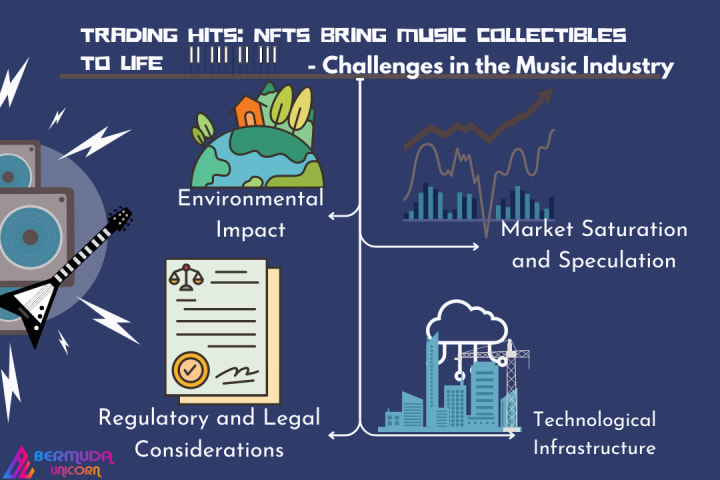
a) Environmental Impact: The energy consumption associated with NFT transactions has raised concerns about the environmental footprint. Artists and platforms are exploring sustainable solutions to mitigate this issue.
b) Copyright and Intellectual Property: The authenticity and ownership of music NFTs can be subject to disputes and legal complexities. Artists and collectors must ensure proper rights clearance and transparency when tokenizing copyrighted material.
c) Accessibility and Inclusivity: While NFTs offer unique experiences, they can also create barriers due to their often high prices and exclusive nature. Ensuring accessibility and inclusivity remains a challenge that needs to be addressed.
The Future of Music NFTs
3.1 NFTs as a New Music Economy
NFTs have the potential to reshape the music economy, transforming the way artists are compensated and how fans interact with their favourite musicians. With the ability to directly monetize their creations, artists can explore innovative revenue models beyond traditional streaming and touring.
3.2 Collaborations and Collectibles
Music NFTs enable collaborations between artists, creating unique and highly sought-after collectibles. Collaborative albums, limited edition releases, and cross-genre partnerships can unlock new creative possibilities and captivate fans.
3.3 NFTs as Cultural Artifacts
Music NFTs have the power to preserve and immortalize significant cultural moments. They can serve as digital artifacts, capturing historical performances, iconic album releases, or milestones in an artist's career.
Conclusion
NFTs have disrupted the music industry by offering new avenues for artists and fans to engage, trade, and experience music like never before. The introduction of music NFTs has allowed musicians to monetize their work, provide unique experiences to fans, and empower independent artists. These digital collectibles offer benefits such as enhanced revenue streams, increased fan engagement, and creative freedom.
However, challenges such as environmental impact, copyright issues, and accessibility need to be addressed as the music NFT landscape continues to evolve. It is important for artists, platforms, and the community to find sustainable solutions, ensure proper rights clearance, and promote inclusivity in the NFT space.
About the Creator
Keep reading
More stories from Sunny Bhadana and writers in Education and other communities.
Digital Assets Empowered: Embracing the Era of Digital Ownership
In the digital age, a paradigm shift is underway as the concept of ownership expands beyond physical possessions to encompass digital assets. With the rise of blockchain technology and non-fungible tokens (NFTs), individuals now have the opportunity to truly own and trade digital assets in a secure and transparent manner. This article explores the era of digital ownership, the significance of NFTs, and the transformative power they hold.
By Sunny Bhadana3 years ago in Education
Smart Strategies for Scaling a Coffee Bar Business
A thriving neighborhood coffee bar often begins with a simple mission: serve great coffee and create a welcoming place for people to gather. However, growth quickly introduces new challenges. Higher customer demand, operational complexity, and the need for consistent quality can stretch even the most passionate owners. Therefore, building a clear strategy early helps transform a small shop into a sustainable brand.
By Alexander Schifter4 days ago in Education
Using 3D Laser Scanning for Accurate Facility Upgrade and Renovation Planning
Facility upgrades and renovation projects require precise knowledge of existing building conditions. Many older facilities lack reliable documentation, and outdated drawings can lead to design conflicts, costly change orders, and construction delays.
By Matt Sharon5 days ago in Education



Comments
There are no comments for this story
Be the first to respond and start the conversation.