

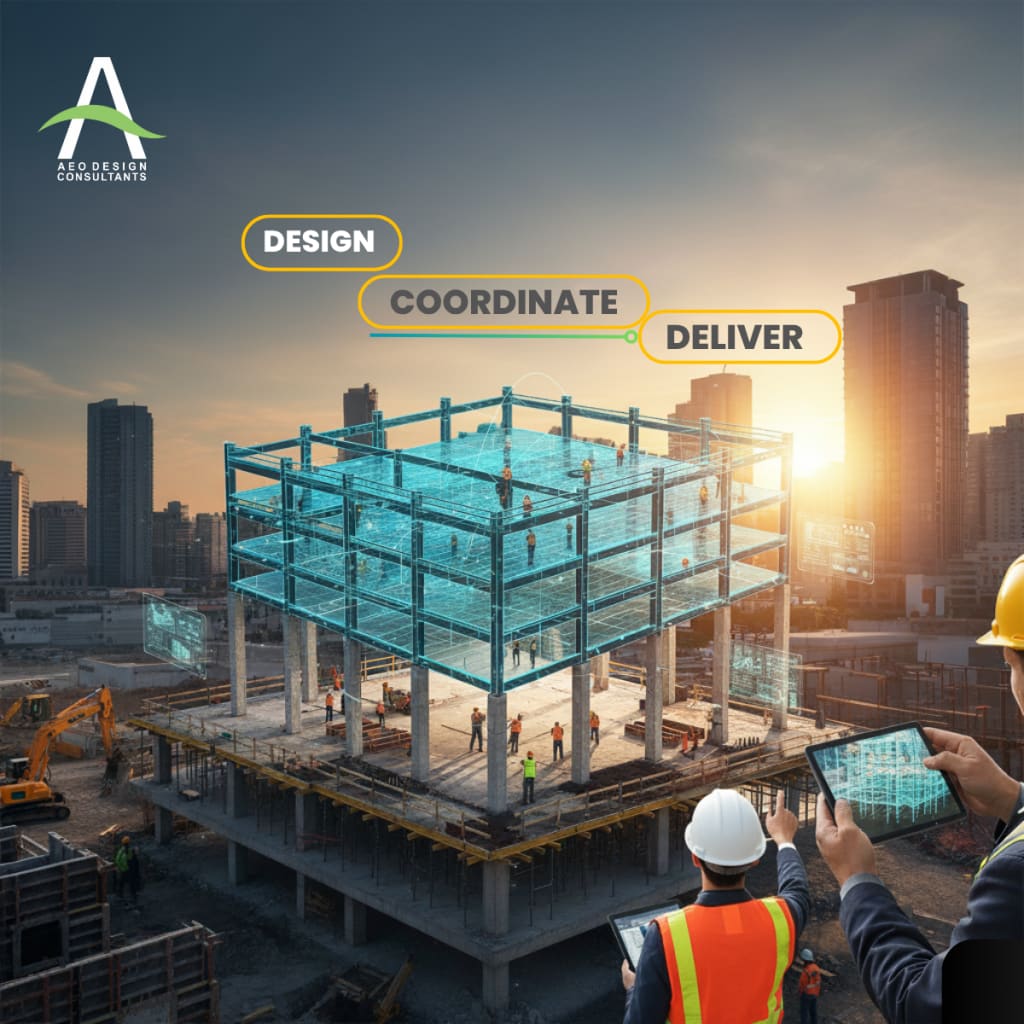
Revit architecture modeling is popping up in many portfolios today. Numerous countries have started BIM implementation at a national level and are making it a mandate even (UK being the first to mandate BIM for all public projects). Moreover, developing nations are still catching up at an aligned speed.
A study by Mcgraw Hill Construction shows that about 50% of the AEC industry is reliant on architectural, structural and MEP BIM modeling. Even so, the power of BIM technology for industrial transformation is yet to be unlocked as the other half is yet to adopt BIM, some of the hurdles being resistance to change, low-budget and interoperability issues (Geospatial World). A comprehensive understanding of its benefits and shortcomings can let firm owners and professionals decide if it is wise to shift to BIM and if it is — when is the right time.
7 Benefits of BIM Technology and Why it’s Worth the Investment
1. Clear and Crisp Communication
BIM technology brings all stakeholders on the same page. It offers an integrated approach to project planning and execution. Consequently, communication within interdisciplinary teams and between multidisciplinary teams improves to a greater extent building trust and transparency.
2. ‘What-if’ Design Analysis
Quick project conceptualization (and visualization) is possible in the initial stages of the BIM process. This allows architects and engineers to explore various forms and spatial configurations to analyze the outcomes of each. A major chunk of design decisions can be made to solve bigger problems prior to project initiation at site.
3. Quicker Clash Detection and Revisions
BIM being an information-dependant process is privy to changes. This translates into its ability to detect clashes or contradictions almost instantly. The process is quicker as the web of mail threads reduces.
4. Improved Planning, Monitoring, and Operating
The BIM process gives you a bird’s eye view. With all stakeholders in consonance, the project planning is streamlined. The transparency of the process lets you assess the impact of a single decision over the entire project. On-site execution, monitoring and operational processes are seamless.
5. Better Control of Project Costs
In the data-driven BIM process, every single inch of material is accounted for when cost estimation goes through Revit modeling. Cost overruns can be adjusted in the BIM modeling stage itself, eliminating any surprises that may come in the way of firms involved in the project.
6. Soaring Productivity
Productivity increases at an individual as well as at an organizational level. This is a product of improved communication, quicker clash detection, and faster revisions. A comprehensive understanding of planning and execution implies quicker project turnover.
7. Sustainable Building Design and Construction
Sustainable design is the future and BIM provides a strong base for it. Sustainability analyses, and climate and environmental impact studies, can occur during project planning. In addition, material optimisation and sensitive planning of construction phases can ensure a low-impact execution. BIM software programs like Green Building Studio help facilitate this.
Shifting to BIM: How to know for sure if you should shift to BIM Technology?
The study by Mcgrawhill Construction reveals that 93% of BIM users expect to gain higher value in the longer run. For individual AEC professionals, BIM can ensure better career trajectories. Building BIM fundamentals and learning Revit architecture modeling can be the first step in that direction. As a firm owner, the decision of shifting to BIM depends on your resources. If you can afford to move past the shortcomings, then a prompt switch to BIM workflows can amplify your growth.
But if the shortcomings seem weighty at the moment, then it is wise to wait and switch when the odds are in your favour. Either way, shifting to BIM was never an ‘if’ question but a ‘when’ question.
FAQs: Pros & Cons of BIM Technology
1. Is Revit hard to learn?
The multi-feature Revit architecture modeling has a steep learning curve but can be easy if you are willing to invest the time.
2. What are the advantages of using BIM to prepare cost estimates?
Revit architecture modeling produces detailed cost estimates based on the inputs in the BIM model.
3. What benefits can BIM give to construction projects?
BIM technology helps optimise the resources, time and cost of a construction project, ultimatelyincreasing productivity and managing construction costs.
4. How does BIM increase value?
Productivity rise through BIM increases the value of AEC firms using BIM as well as BIM professionals worldwide.
5. How does BIM help reduce construction costs?
Accurate cost estimates can be derived from a BIM model and can be monitored throughout the project stages to avoid overruns. A cost-efficient planning of construction can further reduce overall costs.
About the Creator
RB
AEODC is a global hub advancing the AEC industry through cutting-edge BIM and virtual Design & Build tech, connecting all stakeholders to foster innovation, collaboration, and efficiency across every project stage.
How GPS Tracking for Tools and Equipment Can Save Your Business
Tool theft is a growing problem for construction companies, contractors and tradespeople. At kynekt.id we provide best GPS tracking for tools and equipment, Whether it’s a jobsite break-in or equipment walking off during work hours, losing tools can cost thousands of dollars and delay projects. Fortunately, We offer a practical solution that’s becoming more affordable and easier to use every day.
By Kynekt Limited4 days ago in Education
Rooted in Conviction: Lessons on Spiritual Leadership and Social Order from Iglesia ni Cristo
Spiritual leadership has always played an essential role in guiding communities toward shared values and ethical living. In a world where leadership styles constantly evolve, religious institutions continue to offer enduring perspectives on responsibility and social harmony. Iglesia ni Cristo (INC), a Christian church founded in 1914 in the Philippines, presents a distinctive model of spiritual leadership that emphasizes order, unity, and moral discipline. Its influence reaches beyond religious practice and offers valuable lessons for society as a whole.
By Iglesia Ni Cristoabout 5 hours ago in Education
Miss Persephone's Manual to a Seemingly Ordinary Life
Miss Persephone was found at the dining table, her blue eyes swollen, her tears arriving and retreating like the tides of the ocean. Earlier that day, her family had visited her in the retirement home where she had lived for eight years. It was her eightieth birthday.
By Imola Tóth3 days ago in Fiction


Comments
There are no comments for this story
Be the first to respond and start the conversation.