
Top 5 Foods for a Longer and Healthier Life
Leafy Greens: Nature's Nutritional Powerhouses & Berries: Tiny Fruits with Big Benefits

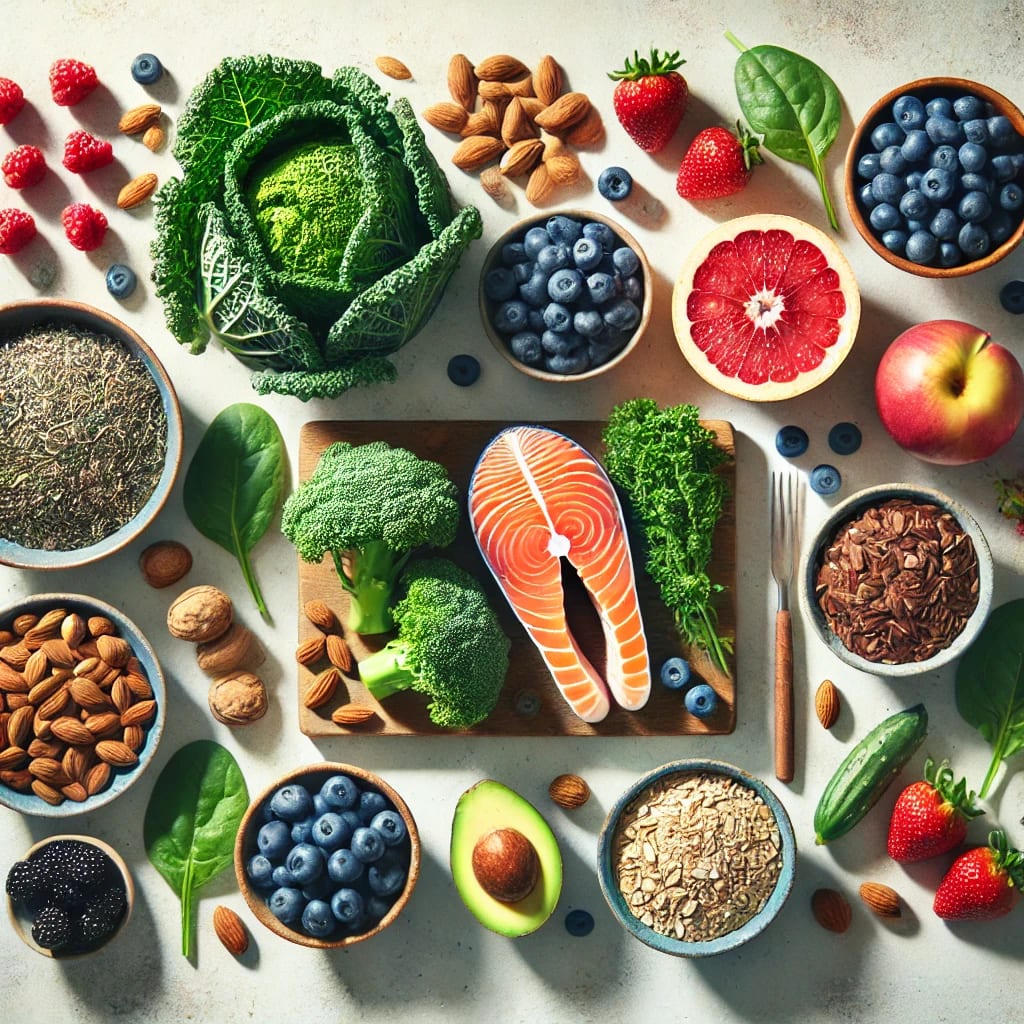
Achieving a long and healthy life is a goal for many people, but it's not just about genetics or exercise; what you eat plays a crucial role. A balanced diet filled with nutrient-rich foods can help prevent chronic diseases, boost energy levels, and slow down the aging process. Here are the top five foods that promote longevity and overall well-being.
### 1. **Leafy Greens: Nature's Nutritional Powerhouses**
Leafy greens like spinach, kale, Swiss chard, and collard greens are packed with essential vitamins, minerals, and antioxidants. These superfoods are rich in vitamin K, which supports bone health, and vitamin A, which strengthens the immune system.
A study published in *Neurology* found that individuals who consumed at least one serving of leafy greens daily had slower rates of cognitive decline as they aged. The high levels of antioxidants, such as lutein and zeaxanthin, also protect against age-related macular degeneration, keeping your vision sharp.
How to Include Them:
- Add spinach or kale to smoothies.
- Sauté Swiss chard with garlic for a quick side dish.
- Make a hearty salad with mixed greens, nuts, and a light vinaigrette.
### 2. **Berries: Tiny Fruits with Big Benefits**
Berries, including blueberries, strawberries, raspberries, and blackberries, are nutritional powerhouses. They are rich in antioxidants, such as anthocyanins, which fight inflammation and reduce oxidative stress—a key factor in aging and disease development.
According to research, regular consumption of berries is linked to improved heart health, lower blood pressure, and reduced risk of cognitive decline. Berries are also low in calories and high in fiber, making them a great choice for weight management.
How to Include Them:
- Add fresh or frozen berries to oatmeal or yogurt.
- Use berries as a natural sweetener in desserts.
- Snack on a handful of mixed berries for a midday energy boost.
### 3. **Fatty Fish: The Heart and Brain Protectors**
Fatty fish like salmon, mackerel, sardines, and trout are rich in omega-3 fatty acids, which are essential for heart and brain health. Omega-3s help reduce inflammation, lower triglycerides, and improve cholesterol levels.
The American Heart Association recommends eating fatty fish at least twice a week to support cardiovascular health. Additionally, omega-3s are crucial for brain function and may reduce the risk of Alzheimer's disease and other forms of dementia.
How to Include Them:
- Grill or bake salmon with a squeeze of lemon and a sprinkle of herbs.
- Make sardine or mackerel sandwiches for a quick lunch.
- Add smoked trout to salads for a protein-packed meal.
### 4. **Nuts and Seeds: Nutrient-Dense Snacks**
Nuts and seeds, such as almonds, walnuts, chia seeds, and flaxseeds, are excellent sources of healthy fats, protein, fiber, and essential nutrients. They contain heart-healthy monounsaturated fats and are rich in vitamin E, which supports skin health and protects against free radical damage.
Studies show that regular consumption of nuts and seeds is associated with a reduced risk of chronic diseases like heart disease, diabetes, and certain cancers. Walnuts, in particular, are known for their high levels of alpha-linolenic acid (ALA), a type of omega-3 fatty acid that supports brain health.
How to Include Them:
- Sprinkle chia seeds or flaxseeds into smoothies, yogurt, or oatmeal.
- Snack on a handful of mixed nuts for a protein boost.
- Use almond butter or tahini as a spread on whole-grain bread.
### 5. **Whole Grains: The Energy Boosters**
Whole grains, such as quinoa, brown rice, oats, and whole wheat, are excellent sources of complex carbohydrates, fiber, and essential nutrients like B vitamins and magnesium. Unlike refined grains, whole grains retain their bran and germ, making them more nutritious and beneficial for long-term health.
Consuming whole grains can help regulate blood sugar levels, reduce the risk of heart disease, and improve digestion. Their high fiber content promotes satiety, making it easier to maintain a healthy weight.
How to Include Them:
- Start your day with a bowl of oatmeal topped with fruits and nuts.
- Use quinoa or brown rice as a base for salads and stir-fries.
- Swap refined pasta and bread for whole-grain versions.
### Bonus Tips for Longevity
While these five foods are incredibly beneficial, incorporating them into a balanced diet is key. Here are a few additional tips:
- **Stay Hydrated**: Water is essential for every bodily function, so drink plenty of it throughout the day.
- **Limit Processed Foods**: Minimize your intake of processed and sugary foods, which can lead to inflammation and chronic diseases.
- **Practice Portion Control**: Overeating—even healthy foods—can lead to weight gain and associated health problems.
### Conclusion
Eating for longevity and health doesn’t mean sacrificing flavor or enjoyment. By incorporating leafy greens, berries, fatty fish, nuts and seeds, and whole grains into your diet, you can nourish your body, reduce the risk of chronic diseases, and support a vibrant, active lifestyle. Combine these foods with regular exercise, adequate sleep, and stress management, and you’ll be well on your way to a longer, healthier life.
Start making these small but impactful changes today, and enjoy the benefits for years to come.
About the Creator
Nora Ariana
Empowering through stories and sound igniting purpose, sparking growth, and awakening the power within.
Keep reading
More stories from Nora Ariana and writers in Education and other communities.
A goal is a dream with a deadline
A goal is a dream with a deadline. This powerful quote reminds us that without action, dreams remain just that wishes floating in our imagination. But when we set a timeline and commit to achieving them, they evolve into goals, bringing clarity, direction, and purpose. Many people go through life holding on to dreams, hoping they will come true someday. But someday is not a day on the calendar. Dreams without structure often fade with time or get buried under the weight of daily responsibilities. Turning a dream into a goal is what separates those who achieve from those who continue to wish.
By Nora ArianaExclusive • 9 months ago
My New Book is Finally Here
My poetry collection Beautiful and Brutal Things is done. It's actually done and finally published over 270 pages. Over a year of my life went into this book. More than a year, really. Long days at my computer, sometimes seven days a week because I couldn't stop even when I probably should have. Then two months of editing that felt harder than the writing itself. But it's finished, and I'm still standing, and the book is real.
By Tim Carmichaela day ago in BookClub




Comments (1)
Great foods! Good work!