
Top 25 Books For Geology: That Will Stay by Your Side Throughout Your Lifetime!
For Serious Geologist Only
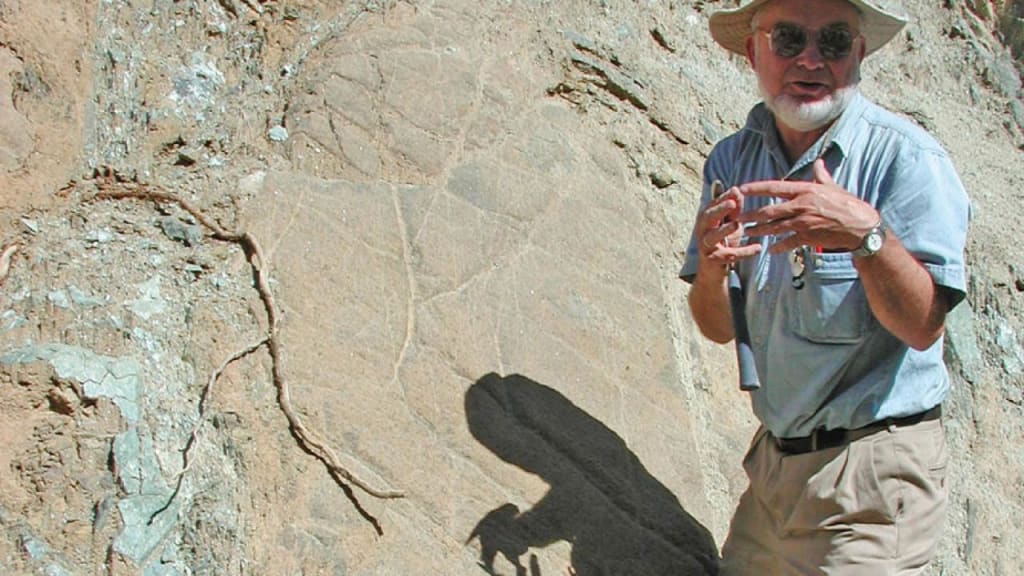
Welcome to our blog post on the "Top 25 Books For Geology: That Will Stay by Your Side Throughout Your Lifetime!" Geology, the study of Earth's composition, structure, and history, is a captivating field that offers a window into the fascinating processes that have shaped our planet. Whether you're a geology student, a professional in the field, or simply an enthusiast with a passion for understanding the Earth's mysteries, this curated list of books is designed to be your lifelong companion.
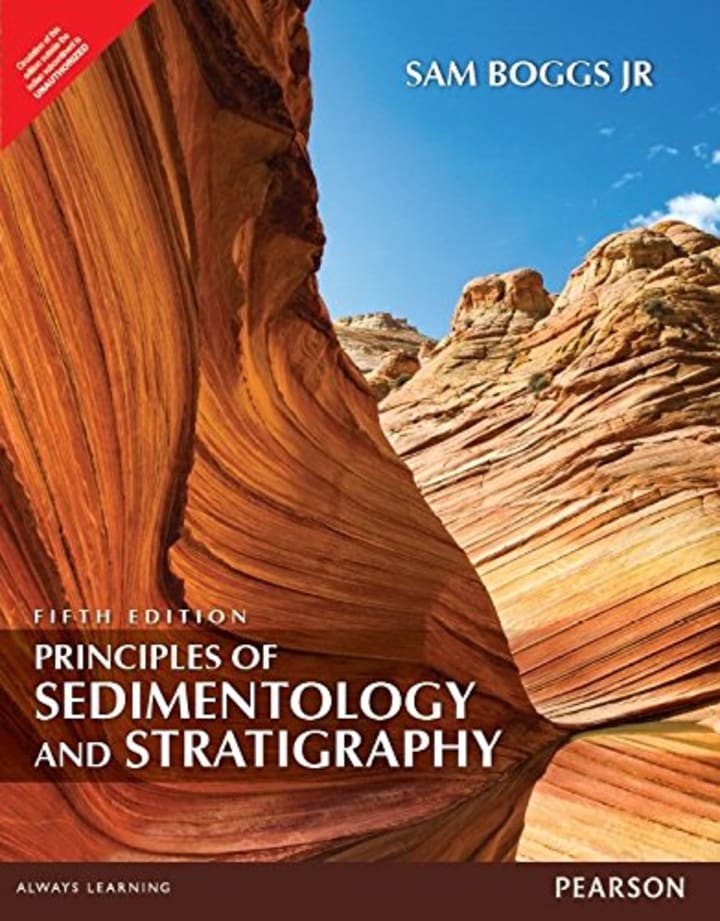
1. "Principles of Sedimentology and Stratigraphy" by Sam Boggs Jr:
This comprehensive guide covers the fundamental principles of sedimentology and stratigraphy, providing a thorough understanding of the processes that shape the Earth's surface. With detailed illustrations and case studies, it explores sedimentary environments, sedimentary rocks, and their depositional processes, making it an essential resource for geologists of all levels.
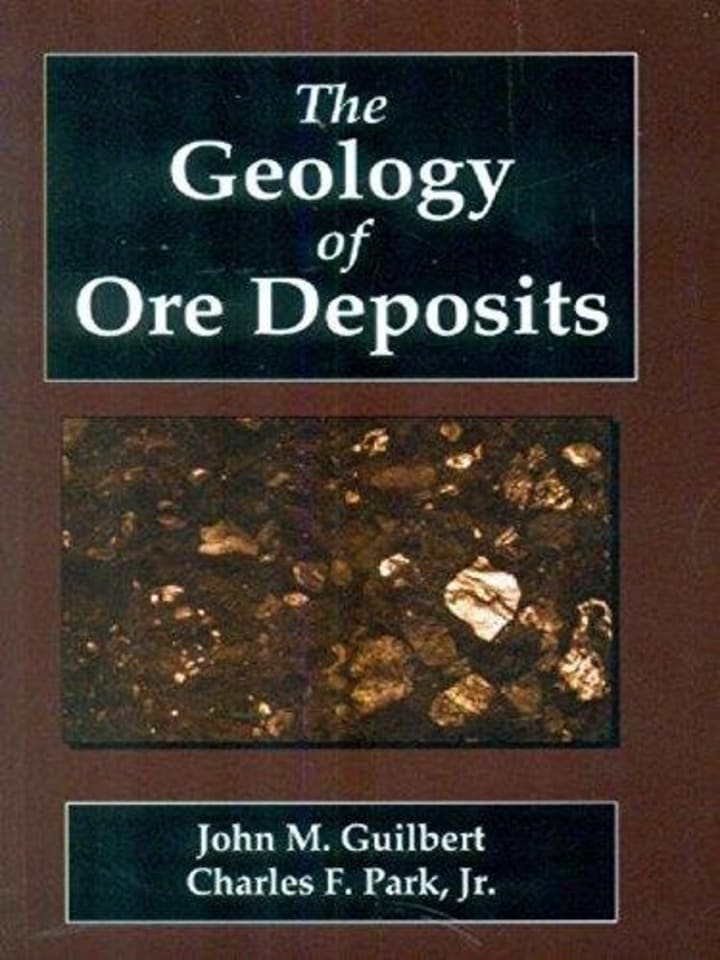
2. "The Geology of Ore Deposits" by John M. Guilbert and Charles F. Park Jr. :
This classic text delves into the fascinating world of ore deposits and their formation. It explores the geological processes behind the concentration of valuable minerals, providing insights into exploration techniques and economic considerations. With its emphasis on practical applications, this book is a must-have for students and professionals interested in economic geology.
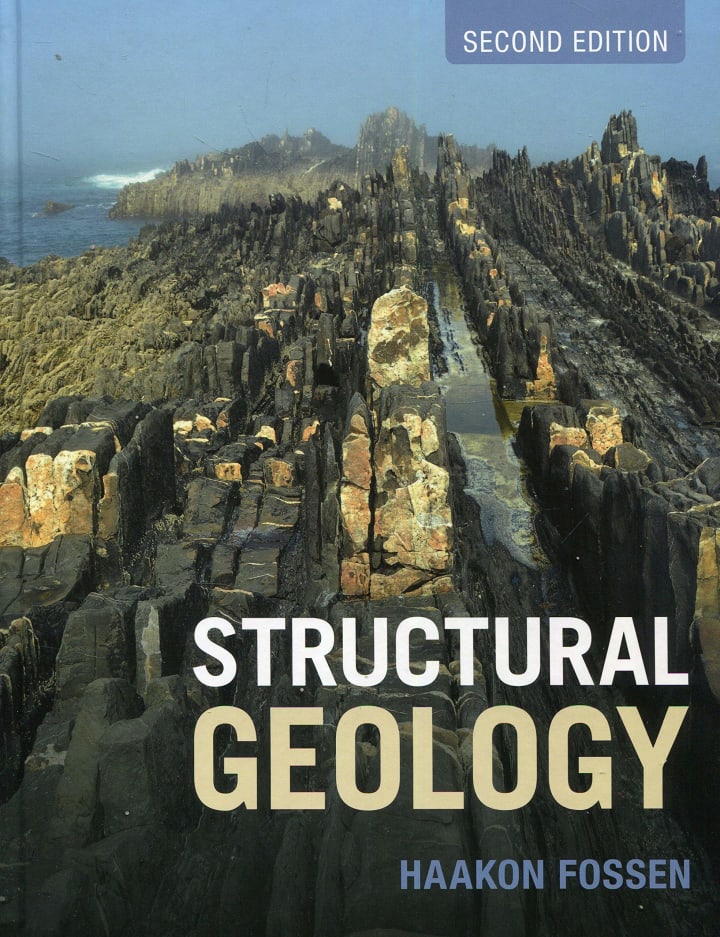
3. "Structural Geology" by Haakon Fossen :
Focusing on the deformation of rocks, this book offers a comprehensive introduction to structural geology. It covers various topics, including stress and strain analysis, faulting, folding, and tectonic processes. The clear explanations, accompanied by numerous diagrams and photographs, make this a valuable resource for understanding the complexities of rock deformation.
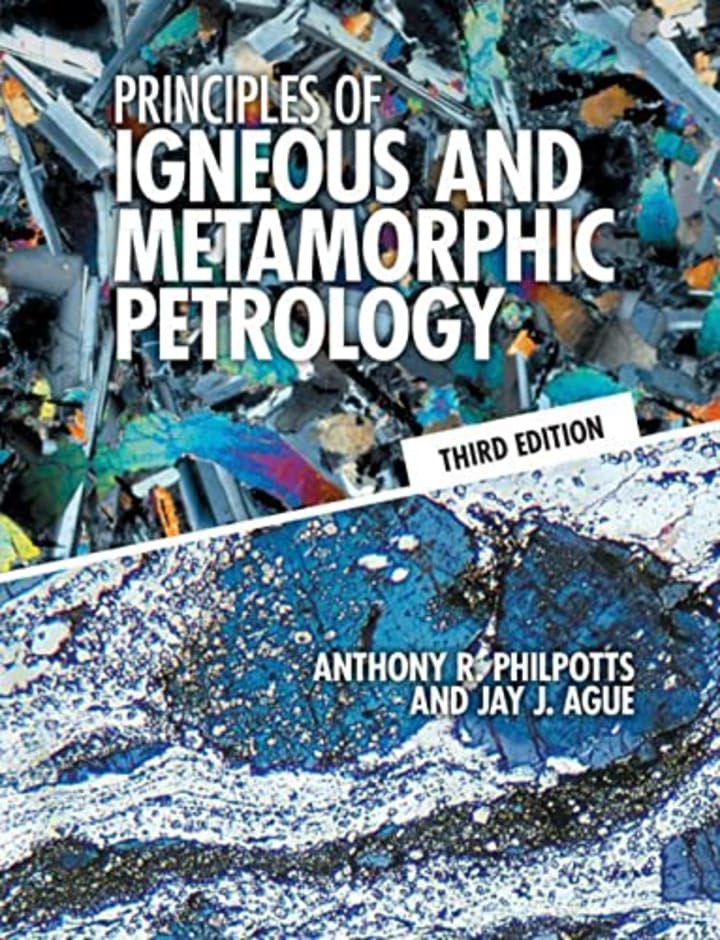
4. "Principles of Igneous and Metamorphic Petrology" by Anthony Philpotts and Jay Ague :
This book provides a solid foundation in the principles and processes governing the formation of igneous and metamorphic rocks. It covers topics such as magma genesis, crystallization, and metamorphism, while also discussing the classification and interpretation of rock textures and structures. Geologists seeking a deeper understanding of the Earth's deep processes will find this book invaluable.
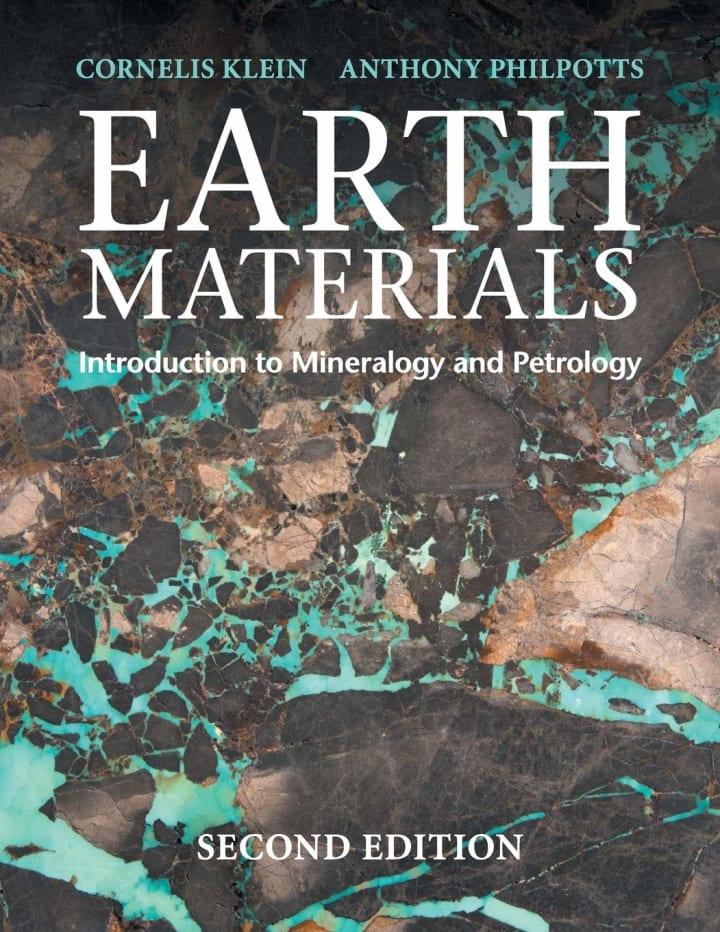
5. "Earth Materials: Introduction to Mineralogy and Petrology" by Cornelis Klein and Anthony Philpotts :
This comprehensive text introduces the study of minerals and rocks, emphasizing their composition, structure, and formation. It provides a solid background in mineralogy, optical mineralogy, and the classification of rocks. With its extensive coverage and detailed explanations, this book is a valuable resource for geology students and researchers alike.
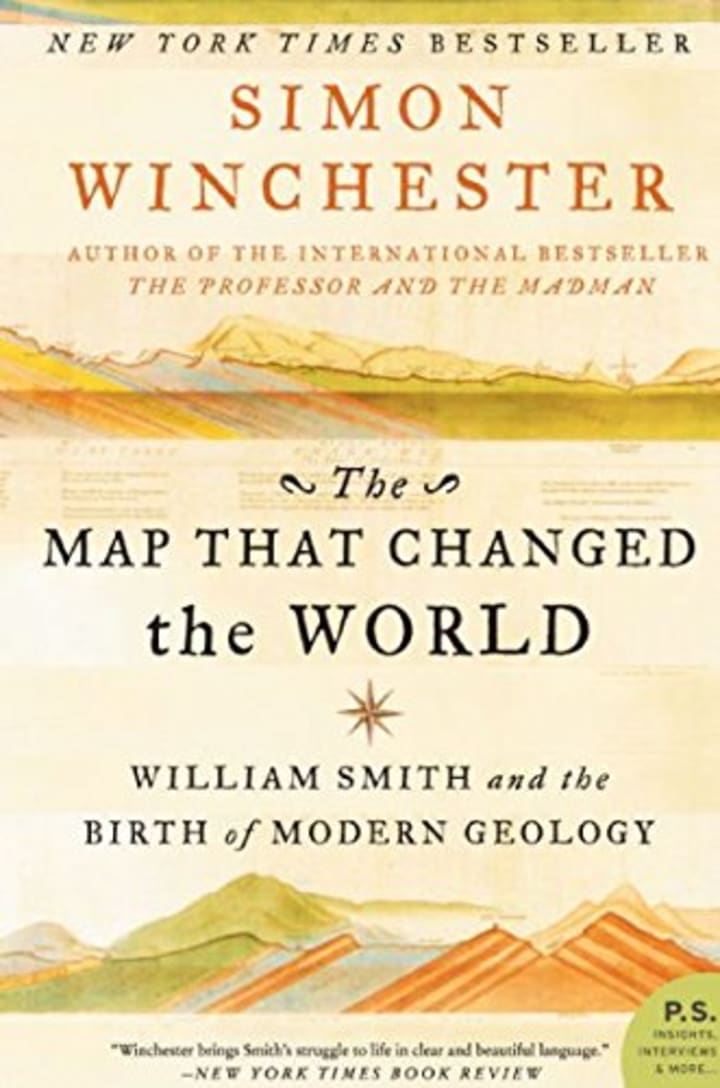
6. "The Map That Changed the World: William Smith and the Birth of Modern Geology" by Simon Winchester :
This captivating narrative follows the life of William Smith, the pioneering geologist who created the first geological map of England and Wales. Winchester skillfully intertwines Smith's personal story with the scientific advancements that revolutionized the field of geology. This book is a must-read for those interested in the history of geology and the individuals who shaped the discipline.
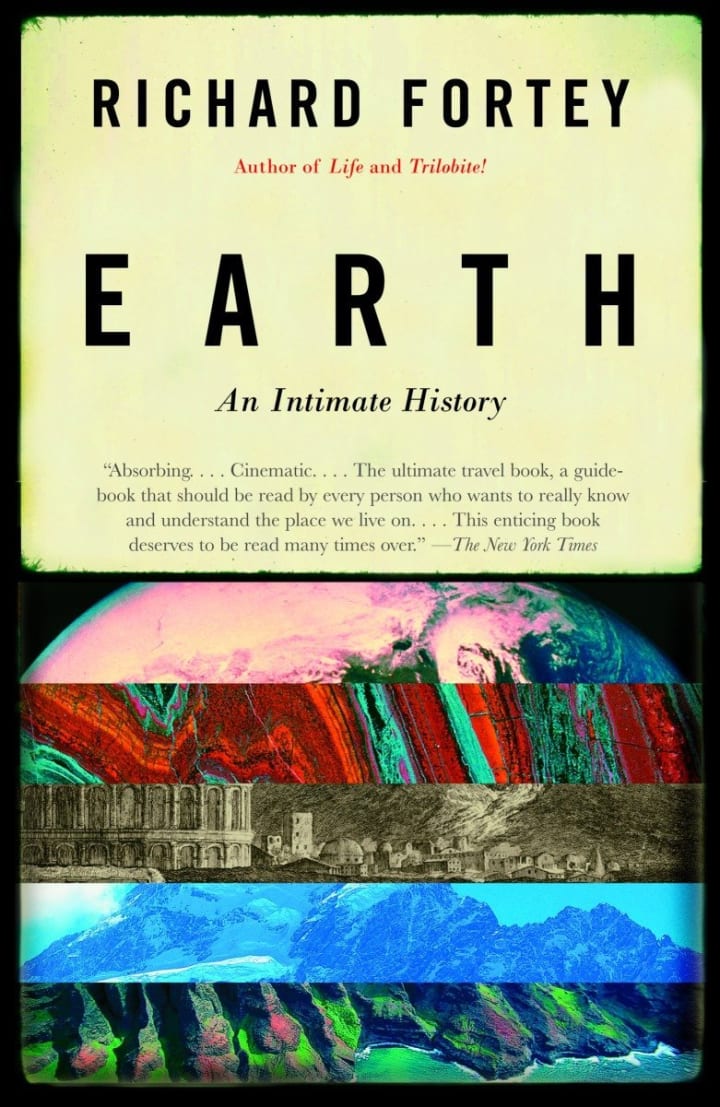
7. "The Earth: An Intimate History" by Richard Fortey :
Fortey takes readers on a journey through the Earth's geological history, unraveling the mysteries of our planet's evolution. From the formation of continents to the rise and fall of ancient civilizations, this book explores the interplay between geology and the development of life. With its engaging prose and rich insights, it offers a captivating perspective on Earth's deep past.
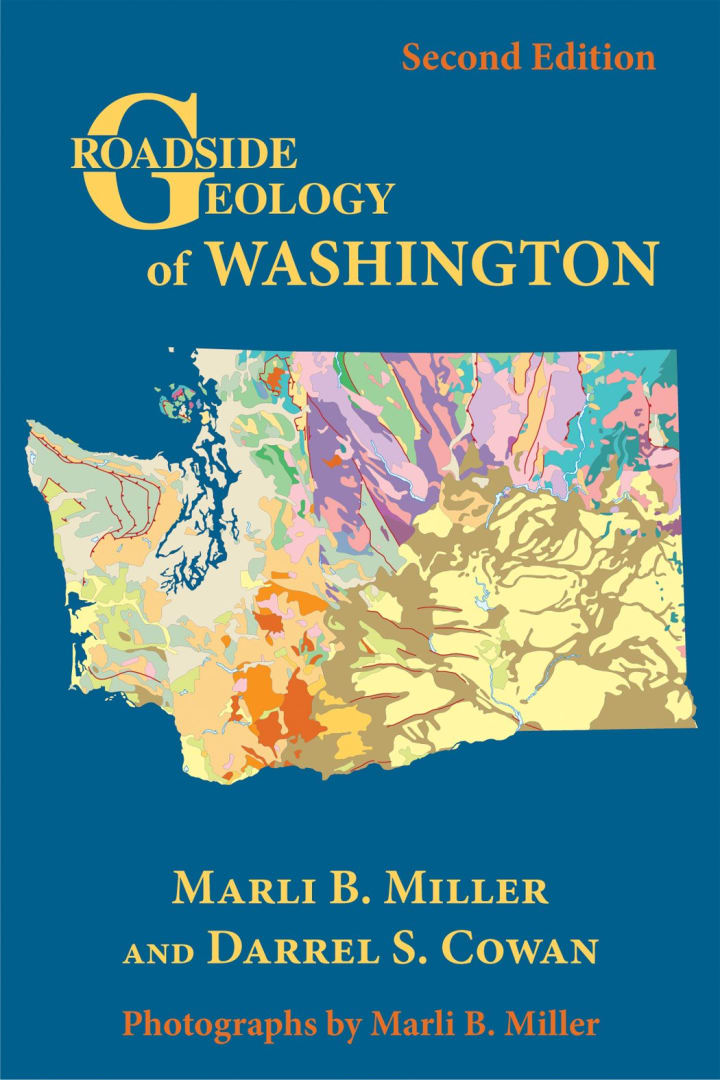
8."Roadside Geology of Washington":
This Book takes readers on an exciting journey through the diverse geological landscapes of the state. Authored by David D. Alt and Donald W. Hyndman, this book provides a comprehensive exploration of Washington's geological wonders, from the rugged Cascade Range to the majestic Columbia River Gorge. With detailed explanations and vivid illustrations, it offers a fascinating insight into the state's volcanic history, glaciations, and the forces that have shaped its stunning landforms.
9. "The Story of Earth: The First 4.5 Billion Years, from Stardust to Living Planet" by Robert M. Hazen :
In this captivating exploration of Earth's history, Hazen traces our planet's journey from its formation to the emergence of life. He discusses the dynamic processes that have shaped the Earth over billions of years, including plate tectonics, climate change, and the interplay between geology and biology. Hazen's accessible writing style makes complex concepts easily understandable, making this book suitable for both geology enthusiasts and curious readers.
10. "Geology" by Frank H. T. Rhodes :
Rhodes provides a comprehensive introduction to geology, covering the Earth's composition, structure, and geological processes. From minerals and rocks to earthquakes and volcanoes, this book offers a broad overview of the field, making it an ideal starting point for beginners. With its accessible language and numerous illustrations, it serves as an excellent resource for those seeking a solid foundation in geology.
11. "The Way the Earth Works: An Introduction to the New Global Geology and Its Revolutionary Development" by Ronald L. Stieglitz :
Stieglitz presents a comprehensive overview of global geology, discussing the processes that shape the Earth's surface, including plate tectonics, mountain building, and the formation of continents. This book provides a solid foundation in understanding the dynamic nature of our planet.
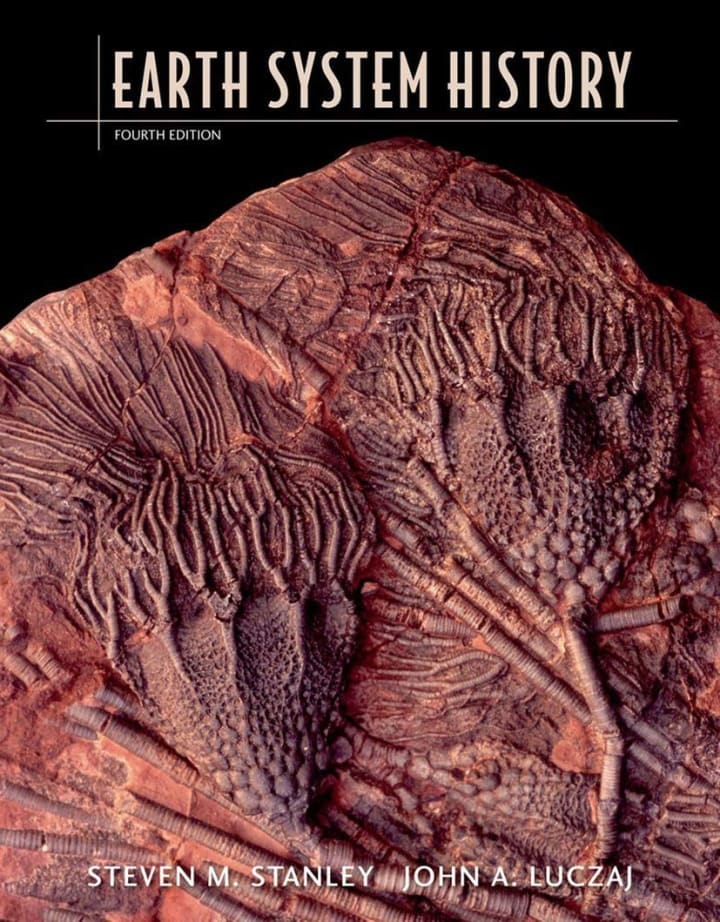
12. "Earth System History" by Steven M. Stanley :
Stanley delves into the Earth's history through the lens of Earth system science, exploring the interactions between the atmosphere, hydrosphere, biosphere, and lithosphere. The book covers a wide range of topics, including climate change, mass extinctions, and the evolution of life on Earth, providing a holistic view of our planet's past.
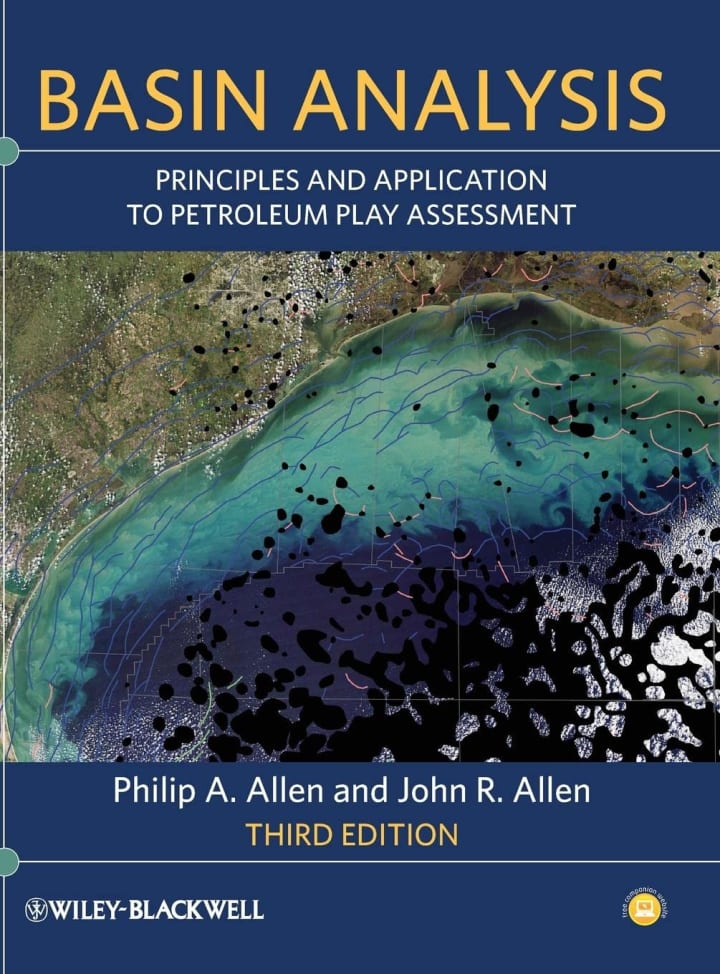
13. "Basin Analysis: Principles and Applications" by Philip A. Allen and John R. Allen :
This comprehensive guide focuses on the analysis of sedimentary basins, providing insights into their formation, evolution, and the processes that control the accumulation of sediments. It covers topics such as stratigraphy, basin modeling, and the exploration for hydrocarbons, making it a valuable resource for geologists working in the field of basin analysis.
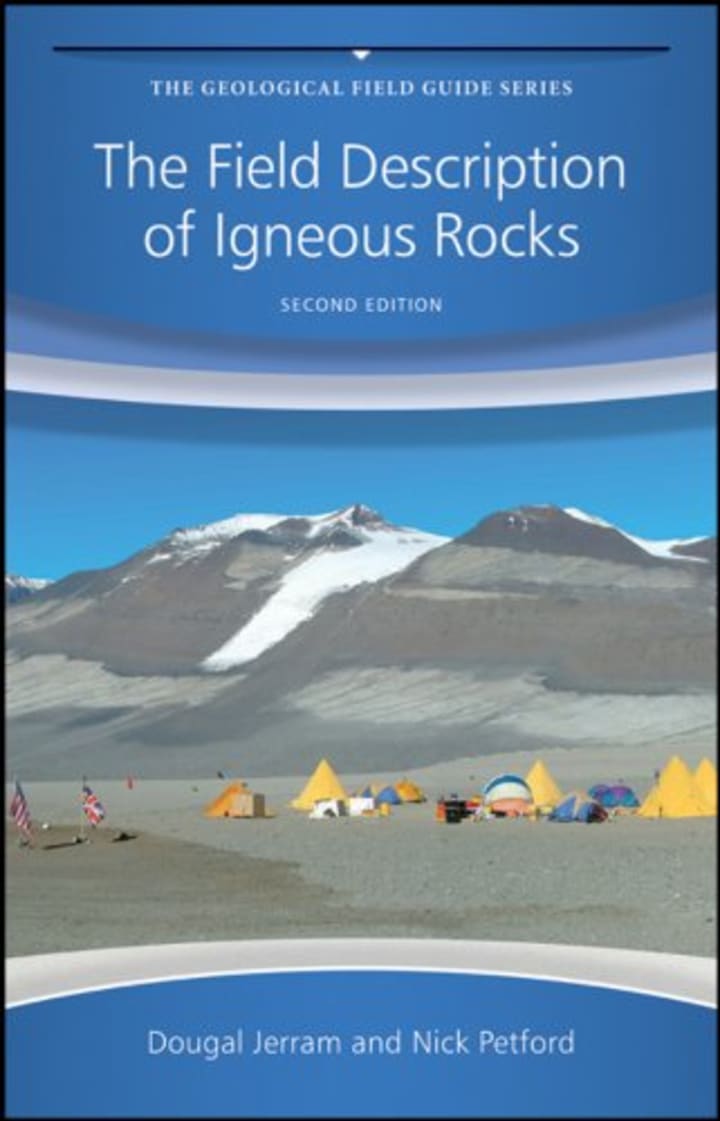
14. "The Field Description of Igneous Rocks" by Dougal Jerram :
Geared towards field geologists, this book offers a practical approach to the description and interpretation of igneous rocks. It covers field techniques, classification schemes, and the identification of important mineral assemblages. With its emphasis on hands-on fieldwork, this book equips geologists with the necessary skills to identify and understand igneous rock formations.
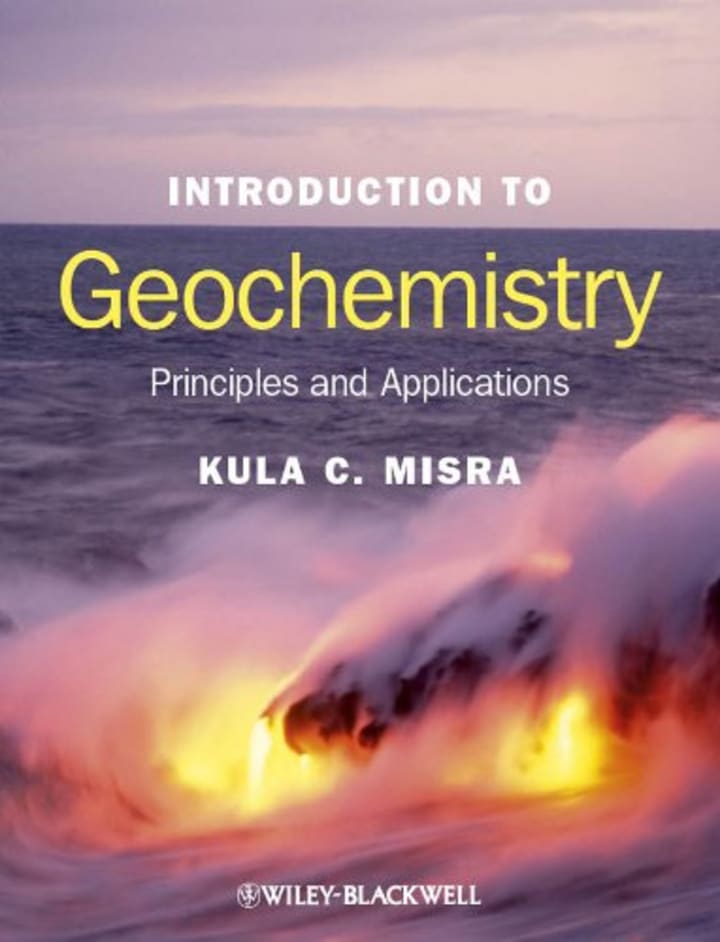
15. "Introduction to Geochemistry: Principles and Applications" by Kula C. Misra :
Misra provides a comprehensive introduction to the principles and applications of geochemistry. This book covers topics such as chemical equilibrium, trace element geochemistry, and the geochemistry of isotopes. With its emphasis on practical applications and case studies, it serves as a valuable resource for understanding the chemical processes that shape the Earth.
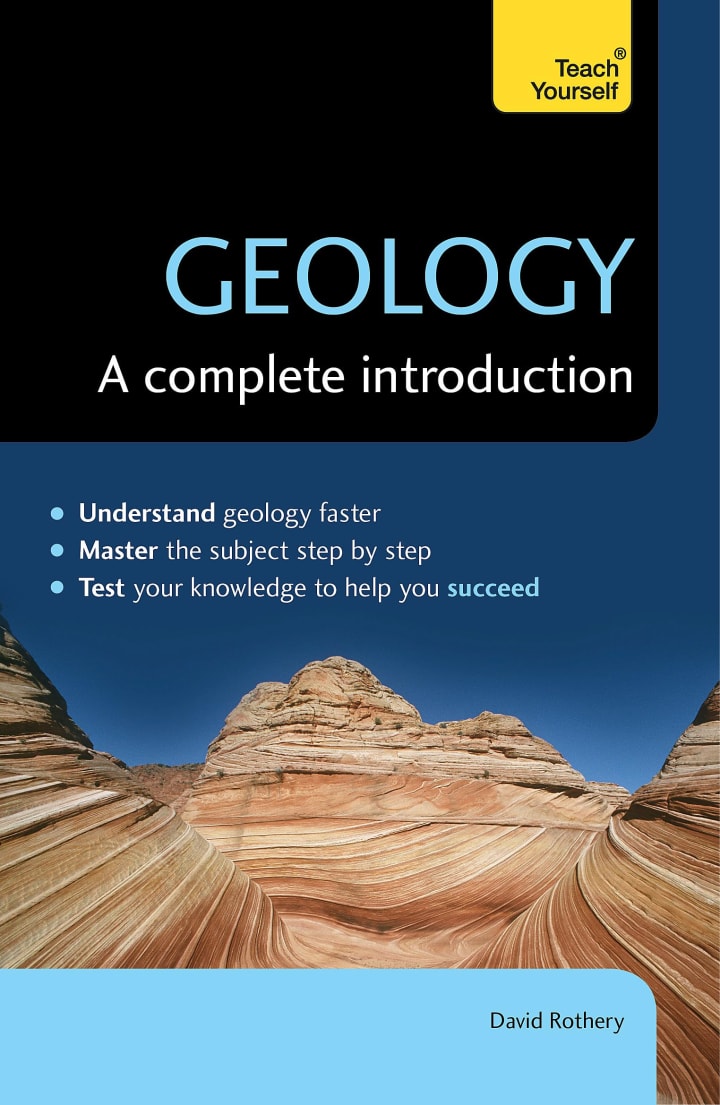
16. "Geology: A Complete Introduction" by David Rothery :
Rothery offers a concise and accessible introduction to geology, covering the major topics within the field, including rocks, minerals, fossils, and geological processes. It provides a solid foundation for beginners and serves as a handy reference for those seeking a quick overview of key geological concepts.
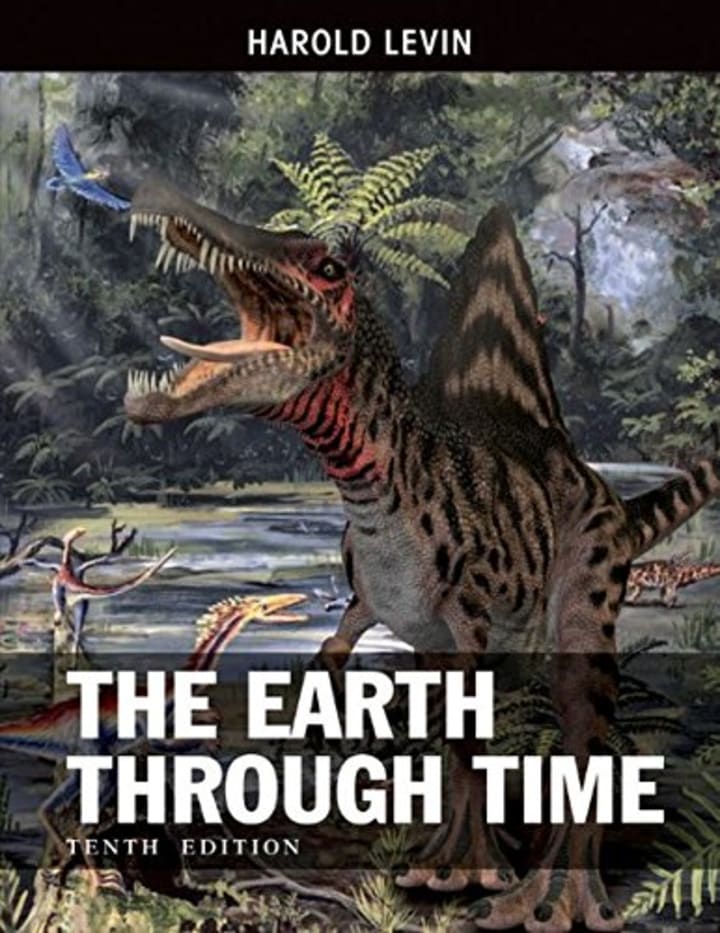
17. "The Earth Through Time" by Harold L. Levin and David T. King Jr. :
This textbook provides a comprehensive exploration of Earth's geological history, emphasizing the principles of historical geology and the interpretation of Earth's past based on rock and fossil records. With its detailed illustrations and thought-provoking questions, it is an excellent resource for students studying Earth's long-term geological evolution.
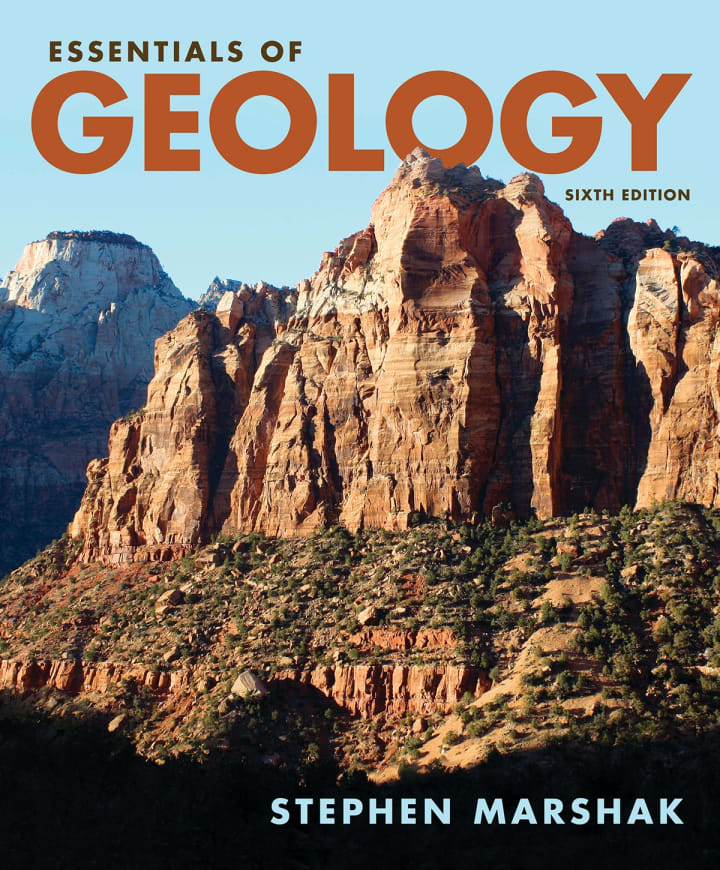
18. "Essentials of Geology" by Stephen Marshak :
Essentials of Geology by Stephen Marshak is a widely acclaimed textbook that offers a concise yet comprehensive introduction to the field of geology. In its sixth edition, this book covers all the essential topics, including minerals, rocks, plate tectonics, Earth's interior, and geological processes. With its clear and engaging writing style, accompanied by beautiful illustrations and photographs, it provides a solid foundation for students and anyone seeking a fundamental understanding of the dynamic forces that have shaped our planet.
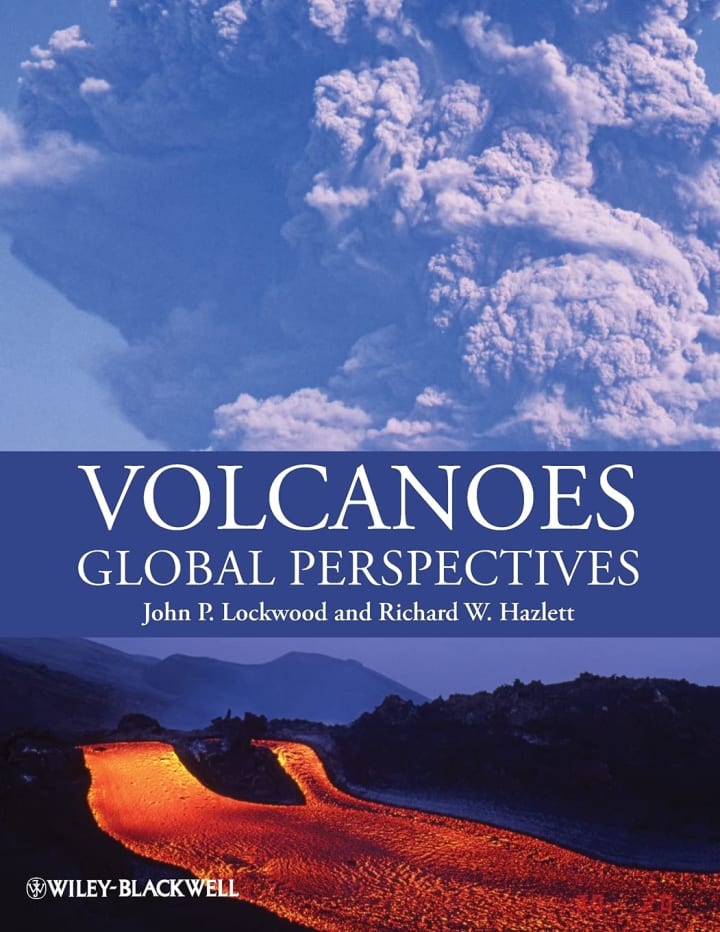
19. "Volcanoes: Global Perspectives" by John P. Lockwood and Richard W. Hazlett :
This book offers a comprehensive overview of volcanoes and volcanic activity worldwide. It explores the different types of volcanoes, volcanic hazards, and their impact on the environment. With its stunning photographs and in-depth explanations, it provides a captivating glimpse into the powerful forces that shape our planet.

20."Earth: An Introduction to Physical Geology"
by Edward J. Tarbuck is a renowned textbook that offers a comprehensive exploration of physical geology. Now in its 12th edition, this book covers a wide range of topics, including minerals, rocks, plate tectonics, Earth's surface processes, and the Earth's interior. With its accessible writing style, rich illustrations, and informative diagrams, it provides a valuable resource for students and geology enthusiasts alike, fostering a deeper understanding of the dynamic processes that shape our planet.
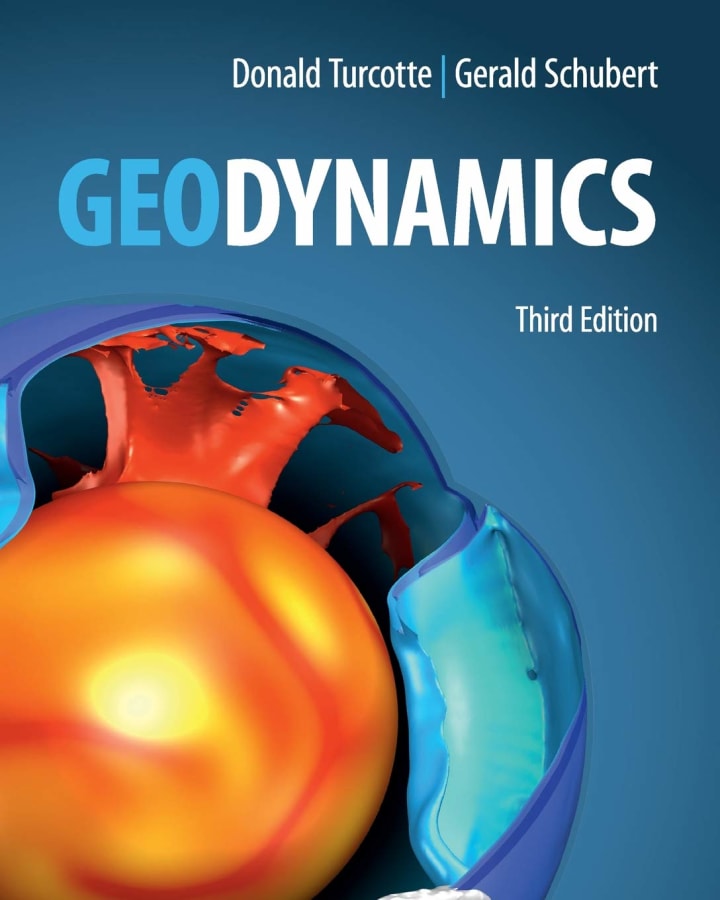
21. "Geodynamics" by Donald L. Turcotte and Gerald Schubert :
This comprehensive textbook explores the dynamics of the Earth's interior, including the processes that drive plate tectonics, mantle convection, and the formation of mountain ranges. It covers topics such as thermal and mechanical properties of rocks, mantle dynamics, and the geophysical methods used to study Earth's interior.
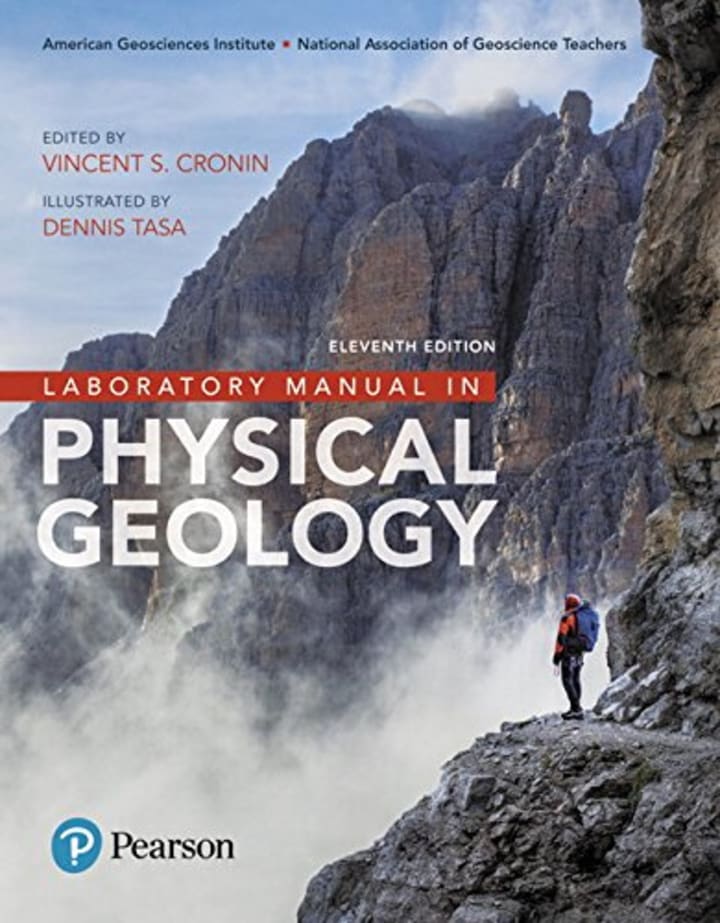
22. The "Laboratory Manual in Physical Geology" by American Geological Institute
Laboratory Manual in Physical Geology is a trusted resource for students in their exploration of physical geology through hands-on laboratory exercises. In its 11th edition, this manual provides a wide range of practical activities that reinforce key concepts and allow students to apply their knowledge. With step-by-step instructions, clear diagrams, and helpful explanations, it serves as an indispensable companion to the study of geology, providing a valuable opportunity for students to engage in scientific inquiry and gain practical skills in the field.
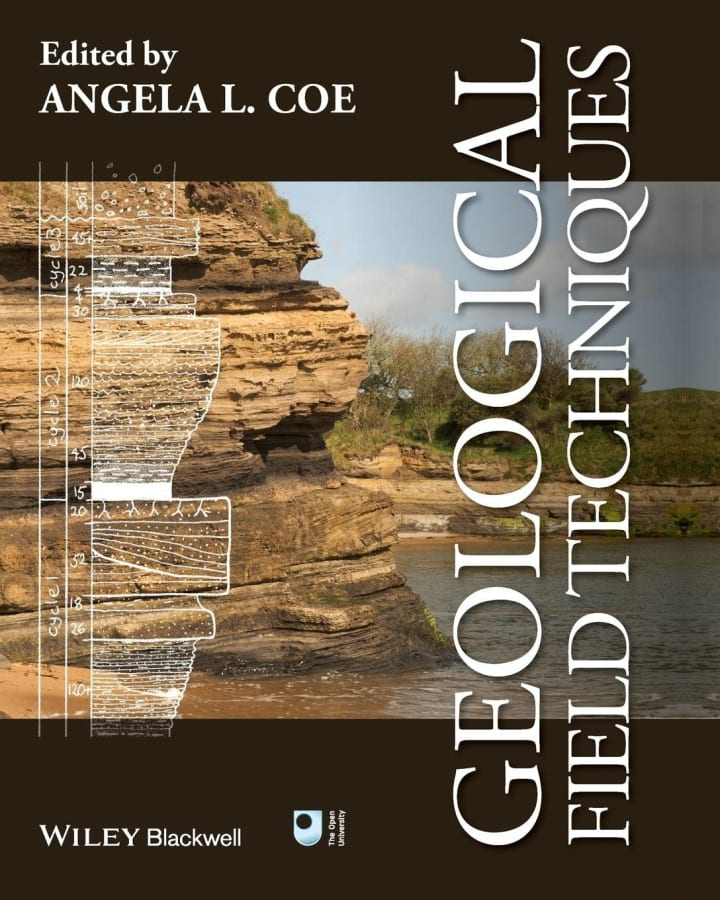
23. "Geological Field Techniques" by Angela L. Coe :
Geared towards students and field geologists, this practical guide covers the essential techniques used in geological fieldwork. It provides guidance on mapping, rock and mineral identification, and the collection and analysis of field data. With its emphasis on hands-on experience, it prepares geologists for successful fieldwork campaigns.
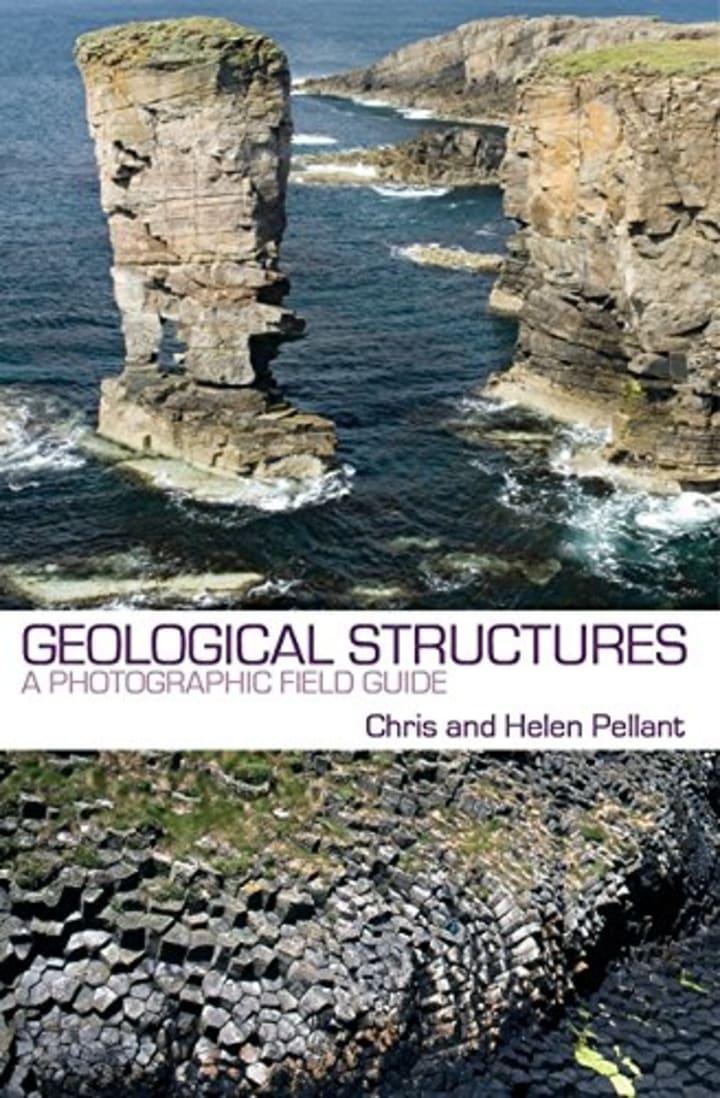
24. "Geological Structures: An Introductory Field Guide" by Chris Pellant :
Pellant offers a concise and user-friendly guide to understanding and interpreting geological structures. It covers the identification and classification of structures such as folds, faults, joints, and unconformities. With its clear illustrations and explanations, this field guide is a valuable resource for geologists conducting structural analyses in the field.
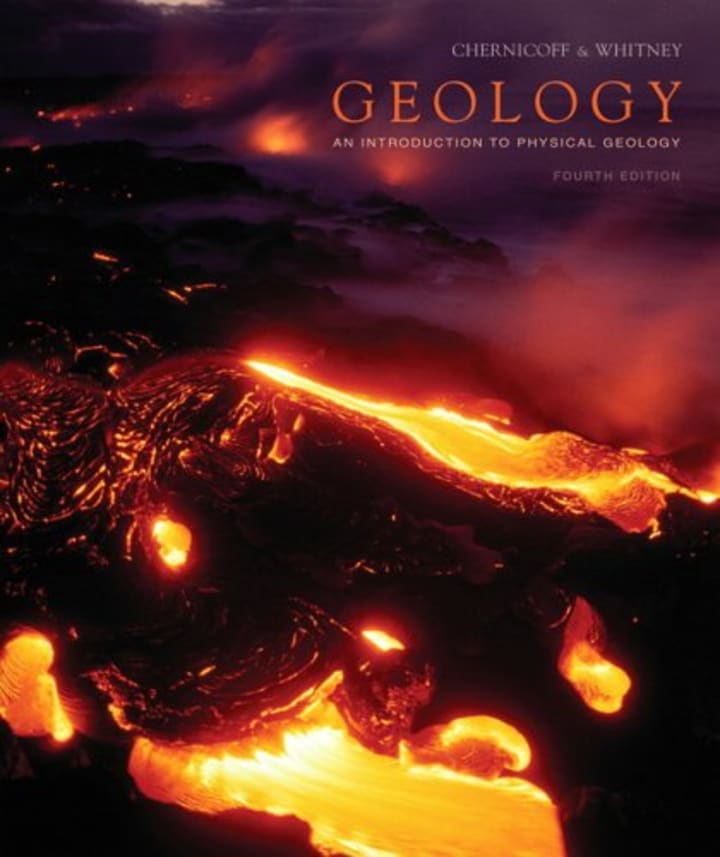
25. "Geology: An Introduction" by Stanley Chernicoff and Donna Whitney :
This introductory textbook provides a comprehensive overview of geology, covering the fundamentals of Earth science, including minerals, rocks, plate tectonics, and Earth's history. It offers a balanced approach, blending scientific principles with real-world examples and applications, making it an excellent resource for students and geology enthusiasts.
These 25 books encompass a wide range of geology-related topics, providing valuable knowledge and insights for geologists at all levels. Whether you're a student, a professional, or simply curious about the Earth's processes, these books will serve as enduring companions throughout your lifetime.
About the Creator
NovelNest Books
Book Recommendations
Keep reading
More stories from NovelNest Books and writers in Education and other communities.
Top 25 Books for Computer Science: That Will Stay by Your Side Throughout Your Lifetime!
Computer science is a rapidly evolving field, and staying ahead of the curve requires continuous learning. In this blog post, we present a handpicked selection of 25 educational books for computer science that will serve as invaluable resources throughout your lifetime. Whether you are a student, professional, or enthusiast, these books cover a wide range of topics, providing foundational knowledge, advanced concepts, and practical insights. Let's delve into the list!
By NovelNest Books3 years ago in Education
Connected Wealth: Why Strong Networks Are Essential to Smarter Financial Planning
Financial planning is often associated with spreadsheets, forecasts, and long-term projections. While these technical elements are essential, they represent only one side of the process. Relationships, shared knowledge, and access to broader communities strengthen a truly effective financial plan. Networks—both personal and professional—play a critical role in shaping smarter, more resilient financial strategies.
By Lee Generous6 days ago in Education
Rethinking Math Education in the 21st Century: Lessons from the Casie Hynes Perspective
Mathematics has long been considered a fundamental pillar of education. It develops critical thinking, nurtures problem-solving abilities, and plays an essential role in science, technology, engineering, and finance. Yet despite its importance, math remains one of the most challenging and misunderstood subjects for students worldwide. As we step deeper into a data-driven era, reforming how we approach math education is more urgent than ever.
By Casie Hynes29 minutes ago in Education




Comments
There are no comments for this story
Be the first to respond and start the conversation.