
Top 25 Books for Computer Science: That Will Stay by Your Side Throughout Your Lifetime!
Only for the Serious and Dedicated Computer Scientists

Computer science is a rapidly evolving field, and staying ahead of the curve requires continuous learning. In this blog post, we present a handpicked selection of 25 educational books for computer science that will serve as invaluable resources throughout your lifetime. Whether you are a student, professional, or enthusiast, these books cover a wide range of topics, providing foundational knowledge, advanced concepts, and practical insights. Let's delve into the list!
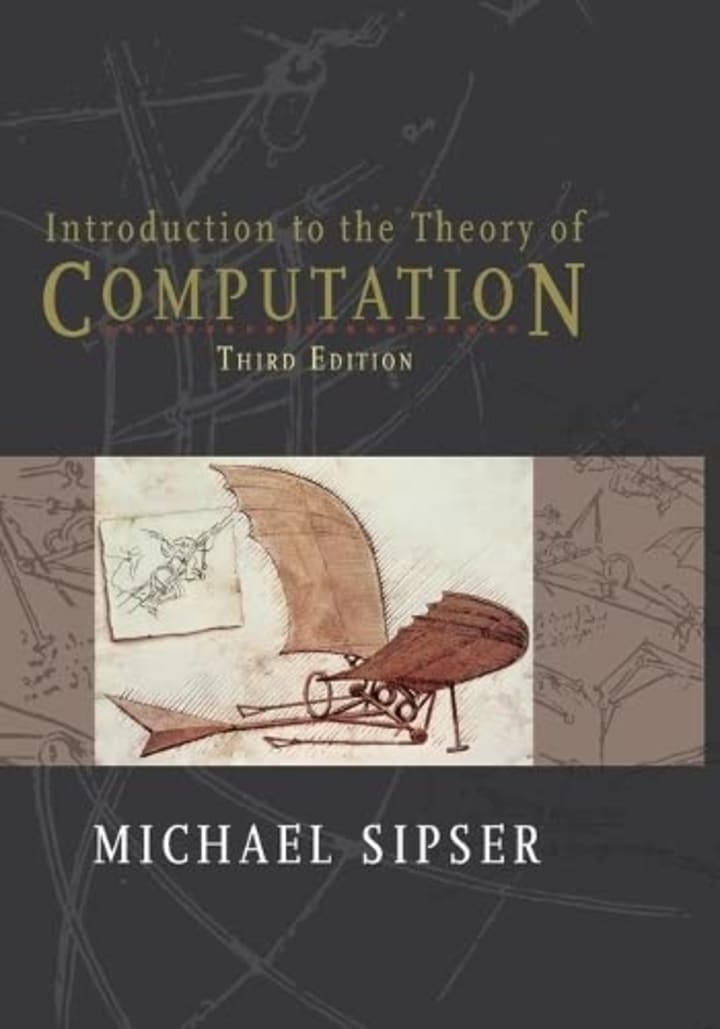
1. "Introduction to the Theory of Computation" by Michael Sipser :
This book is a timeless resource for understanding the theory of computation. It covers automata theory, formal languages, and complexity theory, providing a solid foundation for computer science students and researchers.
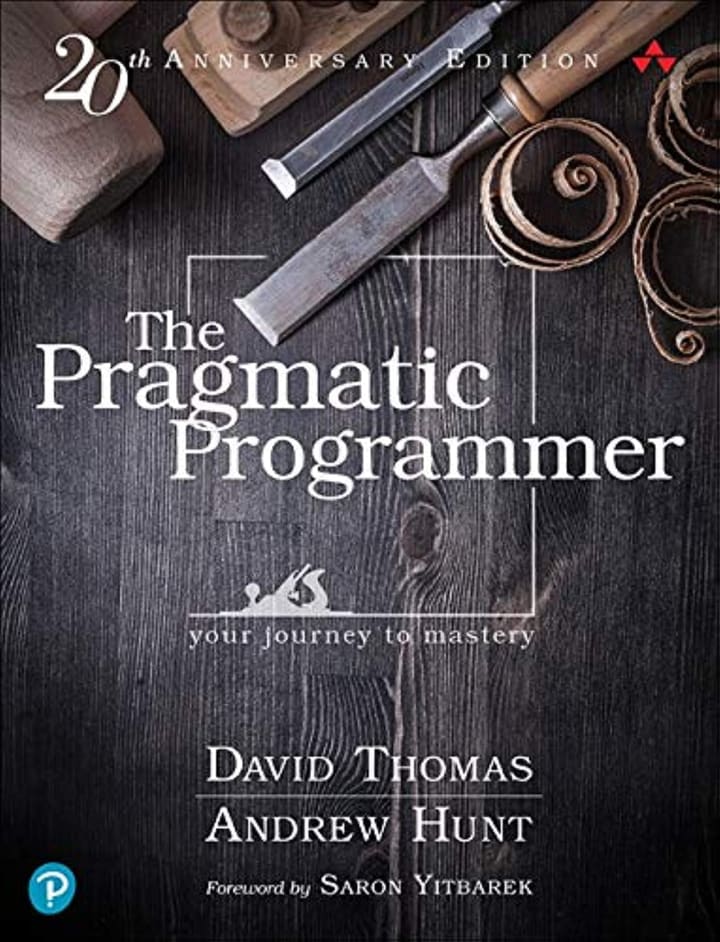
2. "The Pragmatic Programmer: Your Journey to Mastery" by Andrew Hunt and David Thomas :
This classic book offers practical advice and techniques for software developers striving to improve their skills. It covers essential topics such as code organization, debugging, testing, and teamwork, making it a must-read for professionals in the field.
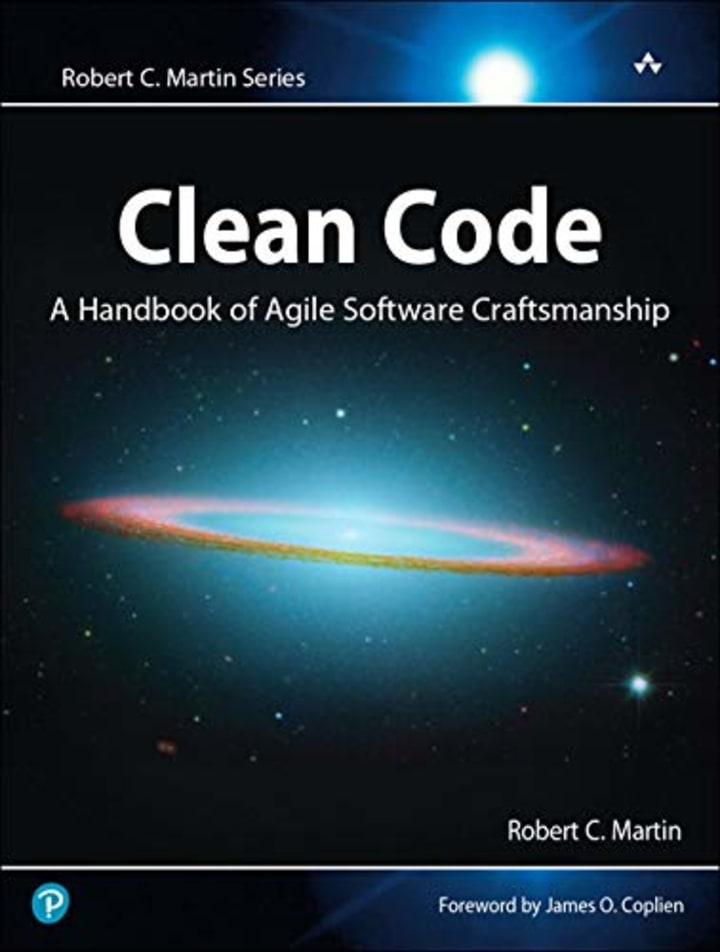
3. "Clean Code: A Handbook of Agile Software Craftsmanship" by Robert C. Martin :
This book emphasizes the importance of writing clean and maintainable code. It provides practical examples, best practices, and guidelines for enhancing code quality, readability, and maintainability.
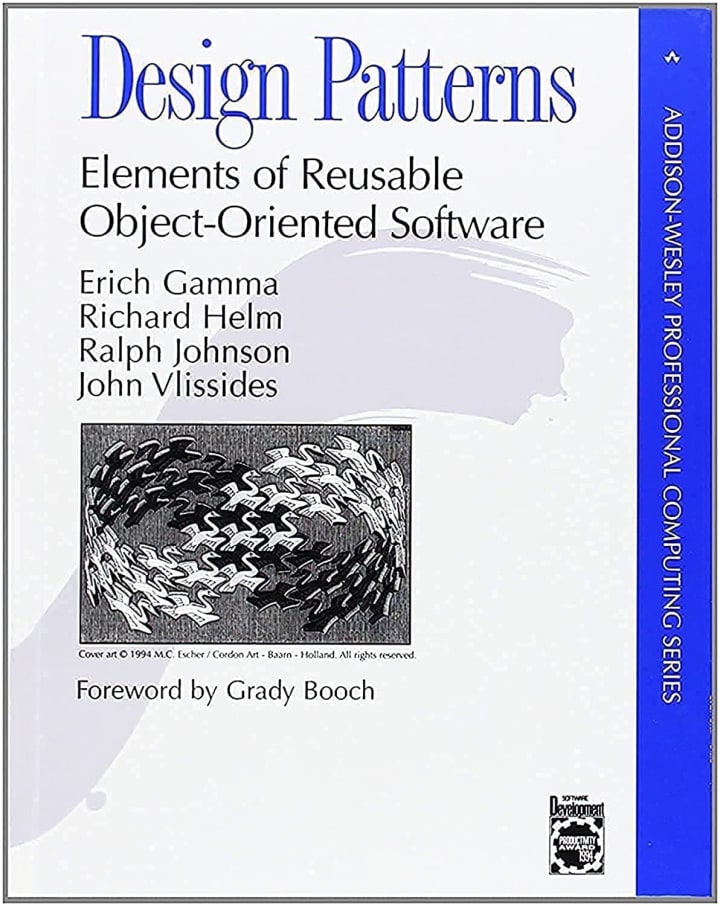
4. "Design Patterns: Elements of Reusable Object-Oriented Software" by Erich Gamma, Richard Helm, Ralph Johnson, and John Vlissides :
This seminal work introduces design patterns, reusable solutions to common software design problems. It equips developers with a shared vocabulary and a set of patterns for creating flexible and maintainable software systems.
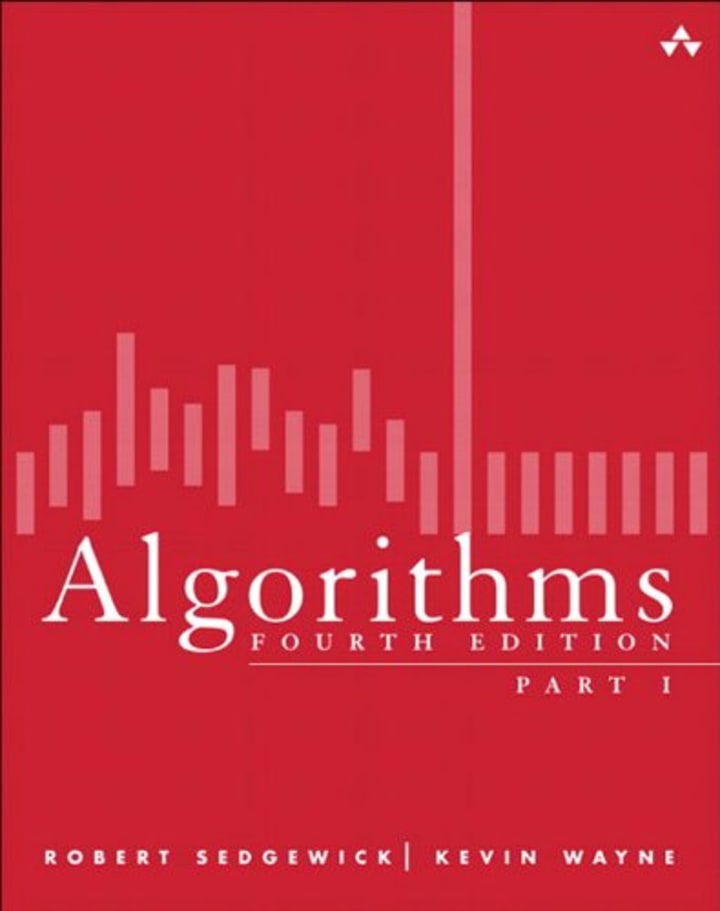
5. "Algorithms, Part I" by Robert Sedgewick and Kevin Wayne :
This book covers fundamental algorithms and data structures, offering clear explanations and practical examples. It is an excellent resource for those seeking a solid understanding of algorithmic thinking.
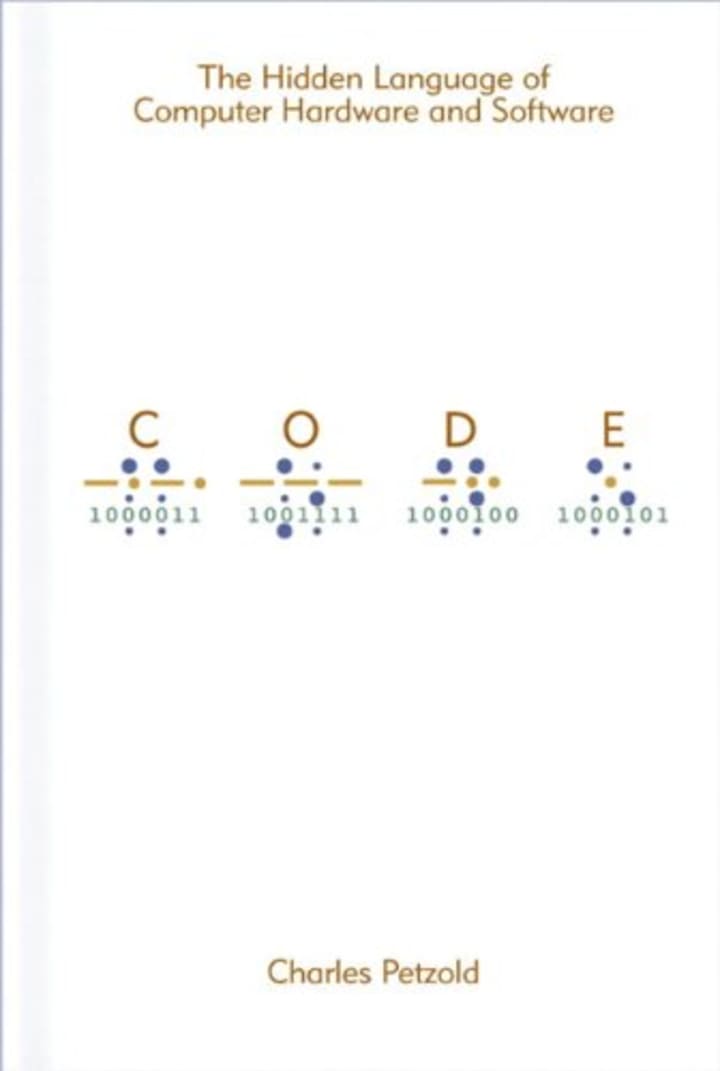
6. "Code: The Hidden Language of Computer Hardware and Software" by Charles Petzold :
This book demystifies the world of computing by explaining the basics of digital logic and the inner workings of computers. It provides historical context while unraveling the layers of code that power modern technology.
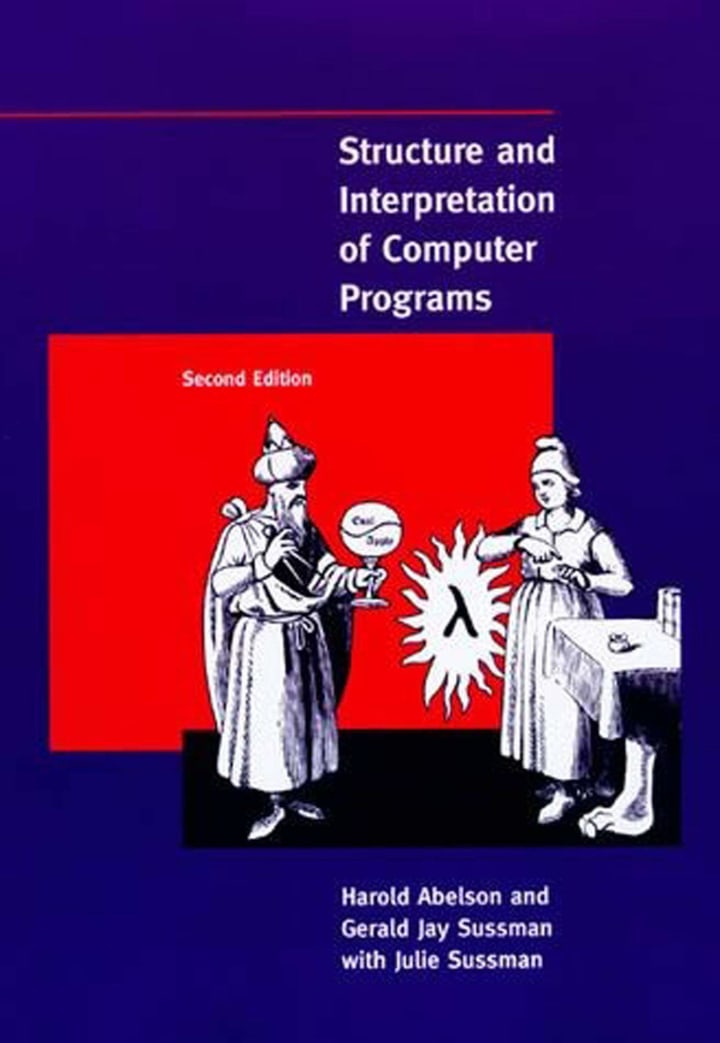
7. "Structure and Interpretation of Computer Programs" by Harold Abelson and Gerald Jay Sussman:
This influential textbook teaches computer science principles through programming and computational thinking. Using the Scheme programming language, it instills a deeper understanding of programming paradigms.
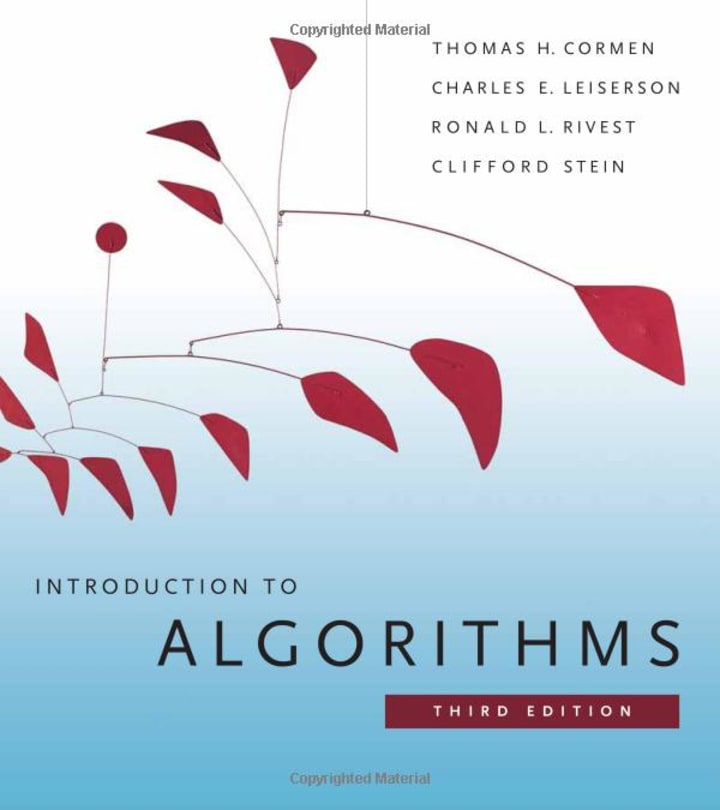
8. "Introduction to Algorithms" by Thomas H. Cormen, Charles E. Leiserson, Ronald L. Rivest, and Clifford Stein :
Known as "CLRS," this comprehensive textbook, published in 2009, covers a broad range of algorithms and their analysis. It serves as a definitive resource for designing efficient and scalable algorithms.
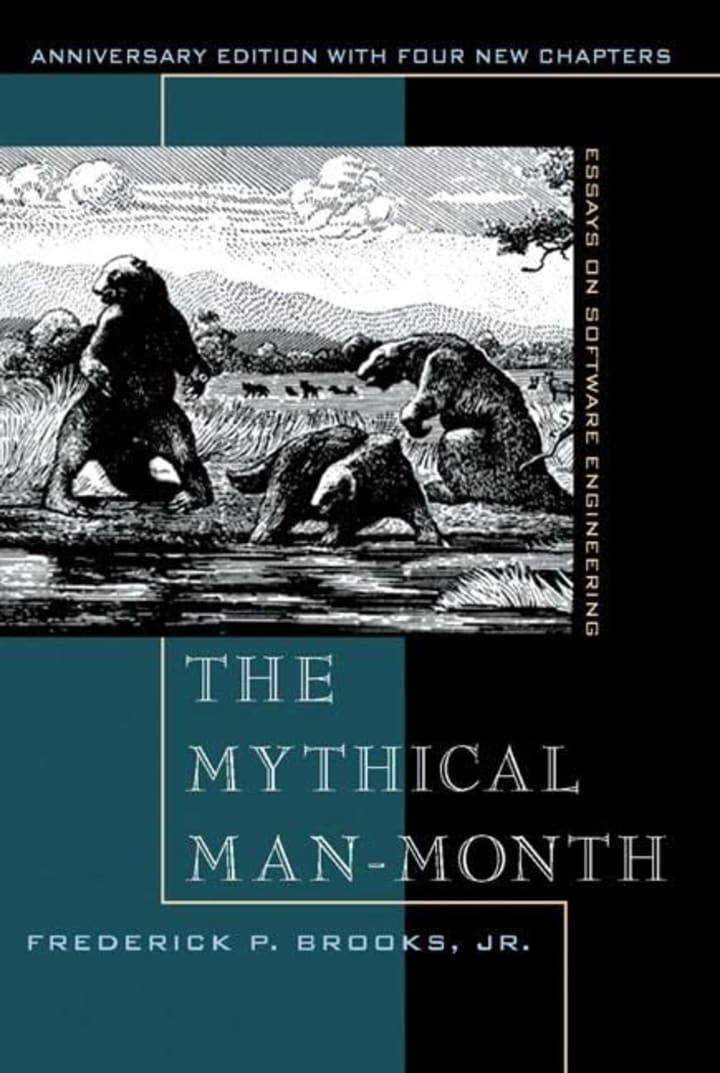
9. "The Mythical Man-Month: Essays on Software Engineering" by Frederick P. Brooks Jr. :
This timeless book offers insights on software project management, addressing the complexities of large-scale development and emphasizing the importance of teamwork and communication.
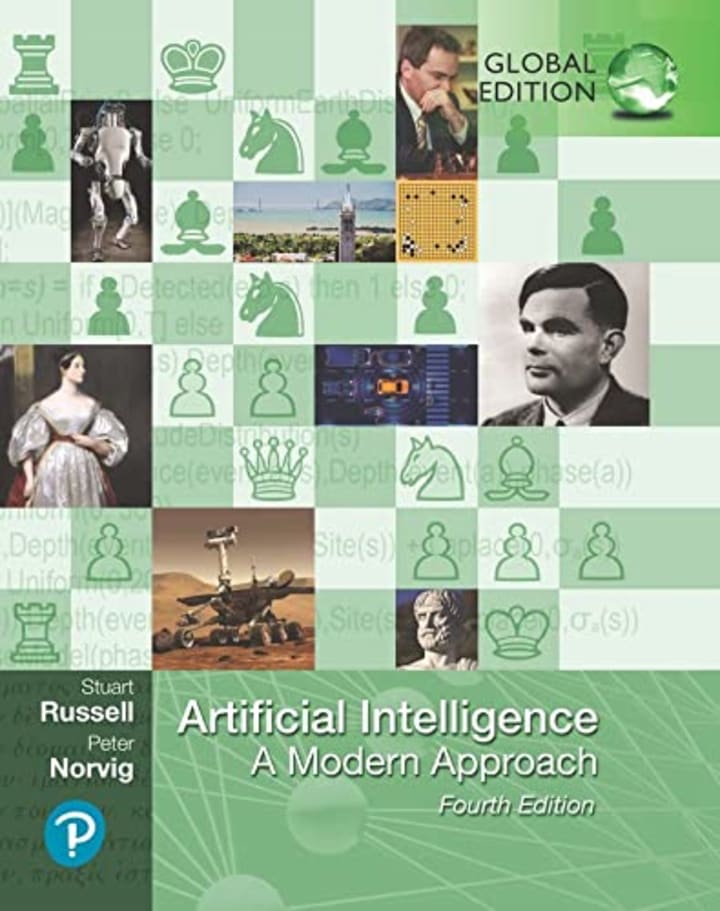
10. "Artificial Intelligence: A Modern Approach" by Stuart Russell and Peter Norvig :
First published in 1995 and regularly updated, this textbook covers a wide range of AI topics. It provides a comprehensive overview of artificial intelligence techniques, algorithms, and applications.
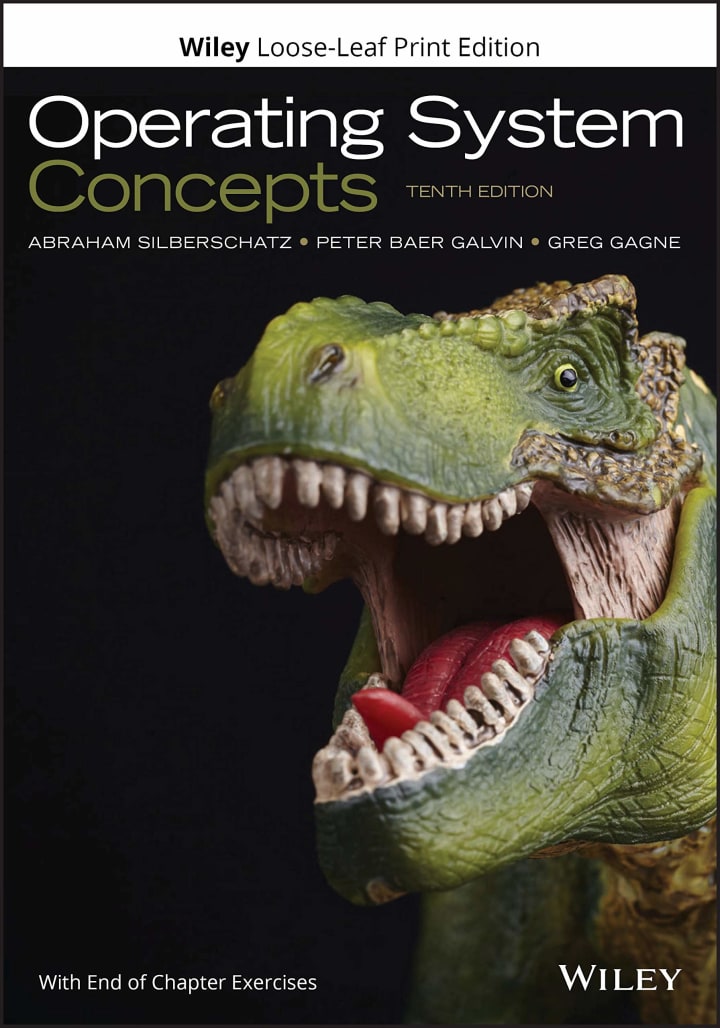
11. "Operating System Concepts" by Abraham Silberschatz, Peter B. Galvin, and Greg Gagne :
This book is a staple for understanding the principles and inner workings of operating systems. It covers topics like process management, memory management, file systems, and more.
12. "Computer Networks" by Andrew S. Tanenbaum and David J. Wetherall :
This widely acclaimed book, first published in 1981 and updated over the years, covers the foundations of computer networking. It explores topics such as protocols, network architecture, and internet applications.
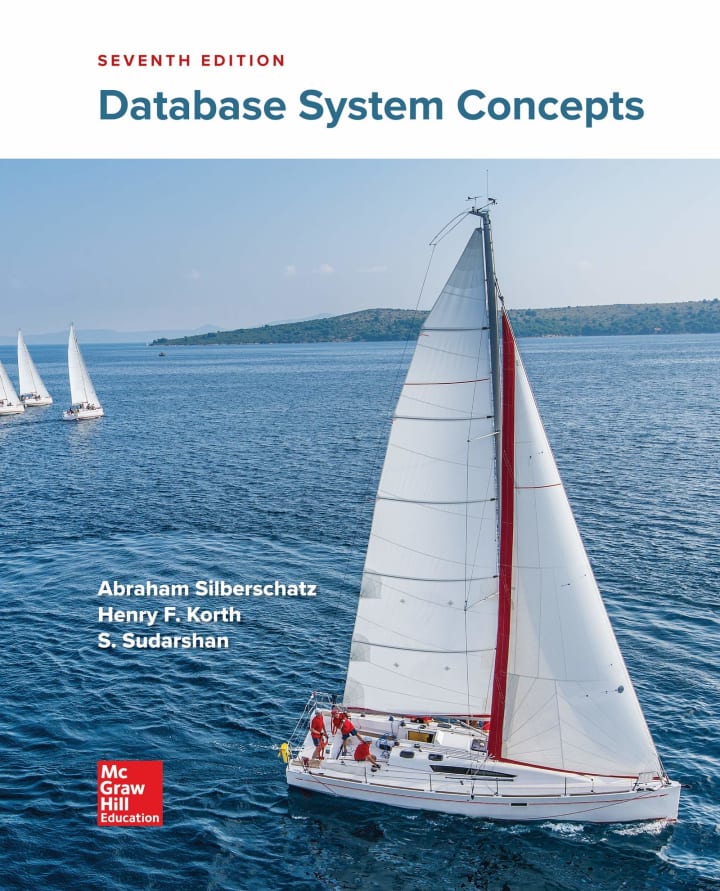
13. "Database System Concepts" by Abraham Silberschatz, Henry F. Korth, and S. Sudarshan :
This book provides a comprehensive introduction to database systems. It covers topics like data modeling, query languages, transaction management, and database design.
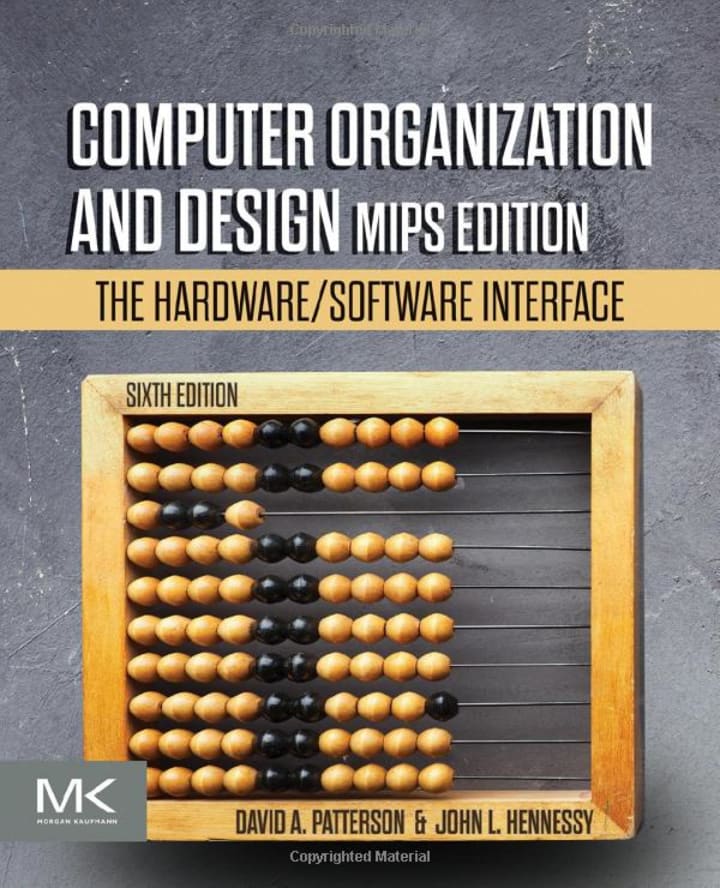
14. "Computer Organization and Design: The Hardware/Software Interface" by David A. Patterson and John L. Hennessy :
This book, first published in 1994 and regularly updated, explores the relationship between hardware and software in computer systems. It covers topics such as instruction set architecture, pipelining, memory hierarchy, and more.
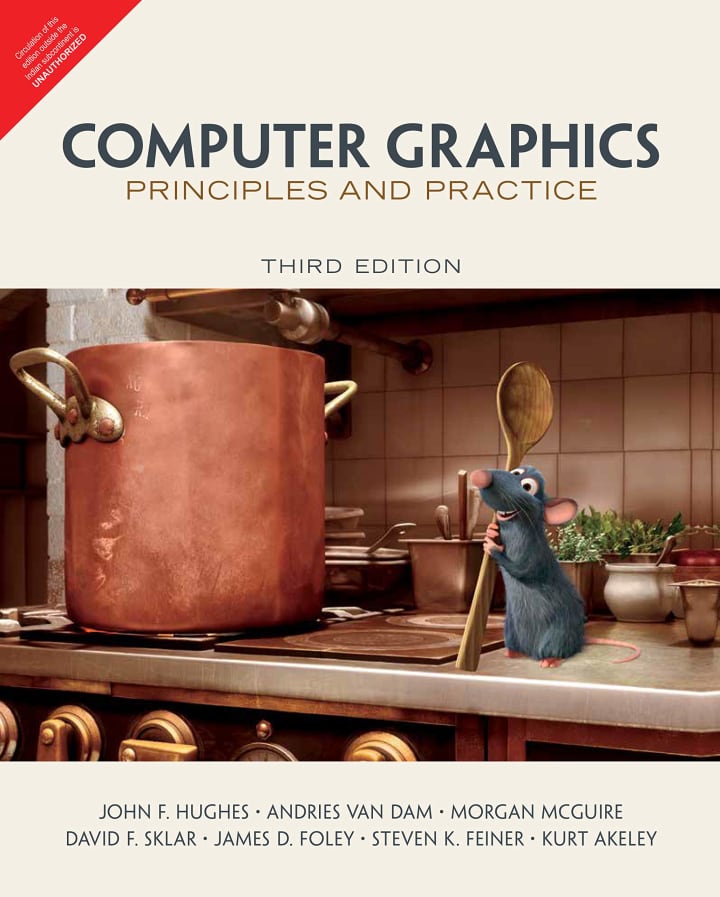
15. "Computer Graphics: Principles and Practice" by James D. Foley, Andries van Dam, Steven K. Feiner, and John F. Hughes :
First published in 1982 and updated over the years, this book is a comprehensive guide to computer graphics. It covers rendering, modeling, animation, and interaction techniques.
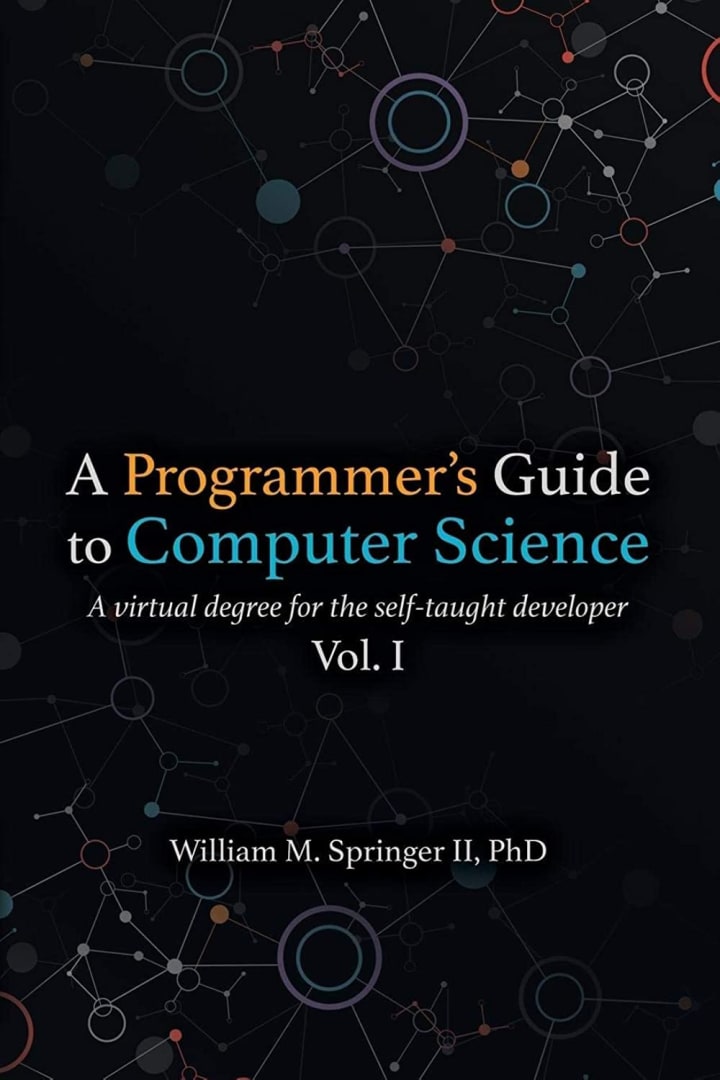
16. "A Programmer's Guide to Computer Science: A virtual degree for the self-taught developer" by Dr. William M Springer II :
The author, a senior developer at a major software company with a PhD in computer science, takes you through what you would have learned while earning a four-year computer science degree. When you finish this book, you'll have the tools you need to hold your own with people who have - or expect you to have - a computer science degree.
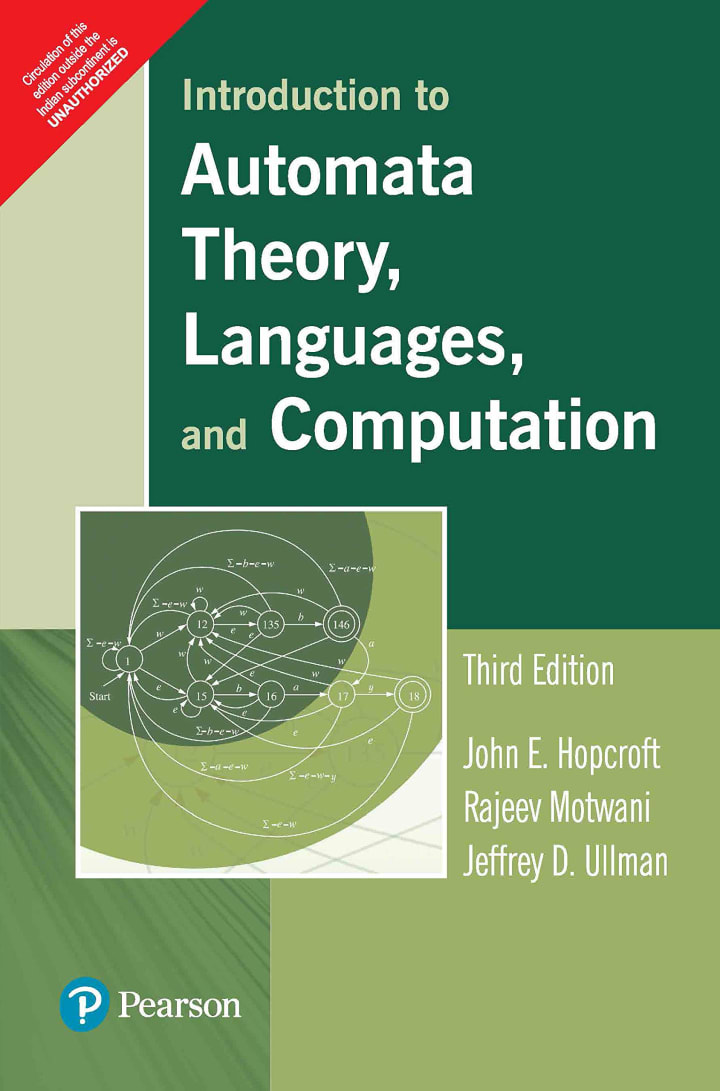
17. "Introduction to Automata Theory, Languages, and Computation" by John E. Hopcroft, Rajeev Motwani, and Jeffrey D. Ullman:
This classic book is a comprehensive introduction to automata theory and formal languages. It is widely used in computer science courses and covers important theoretical concepts.
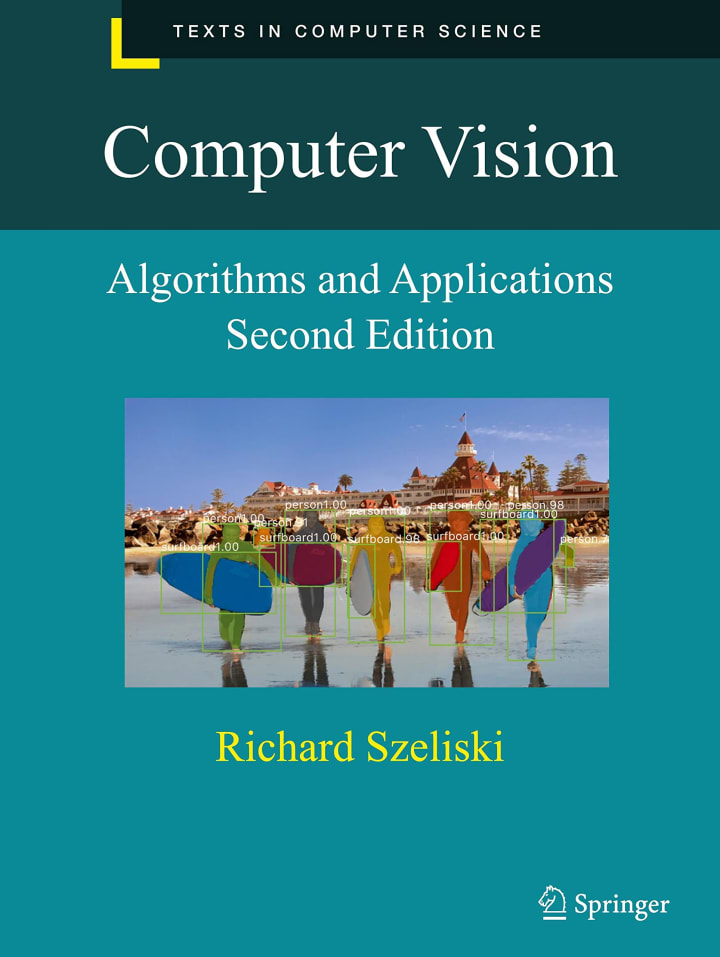
18. "Computer Vision: Algorithms and Applications" by Richard Szeliski :
This book offers a detailed exploration of computer vision algorithms and their applications. It covers topics like image formation, feature detection, image segmentation, and object recognition.
19. "Introduction to Cryptography: Principles and Applications" by Hans Delfs and Helmut Knebl :
This book provides an introduction to the principles and applications of cryptography. It covers encryption, digital signatures, key management, and cryptographic protocols.
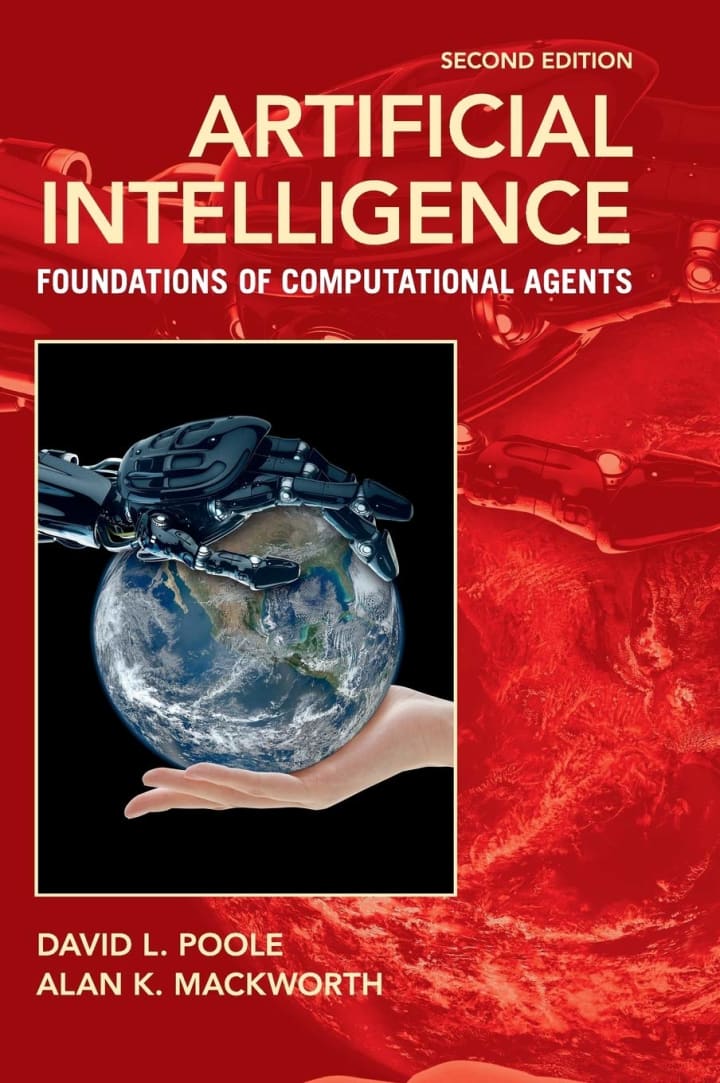
20. "Artificial Intelligence: Foundations of Computational Agents" by David L. Poole and Alan K. Mackworth :
This recent publication offers a modern perspective on artificial intelligence, covering topics such as intelligent agents, knowledge representation, machine learning, and decision-making.
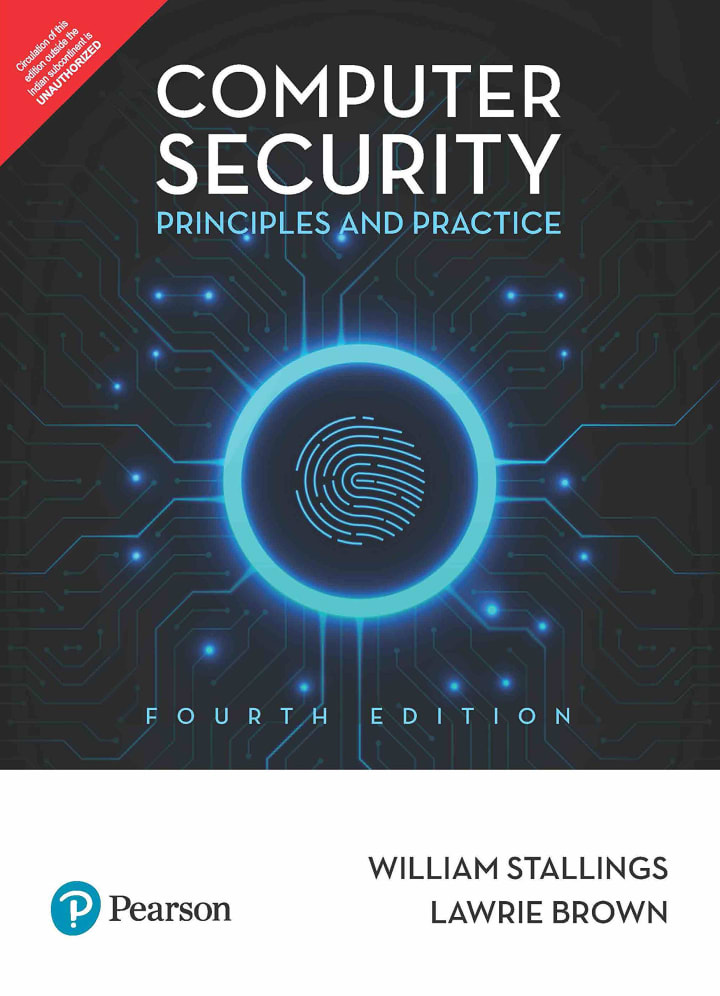
21. "Computer Security: Principles and Practice" by William Stallings and Lawrie Brown :
This book provides a comprehensive introduction to computer security. It covers topics like access control, cryptography, network security, and software security.
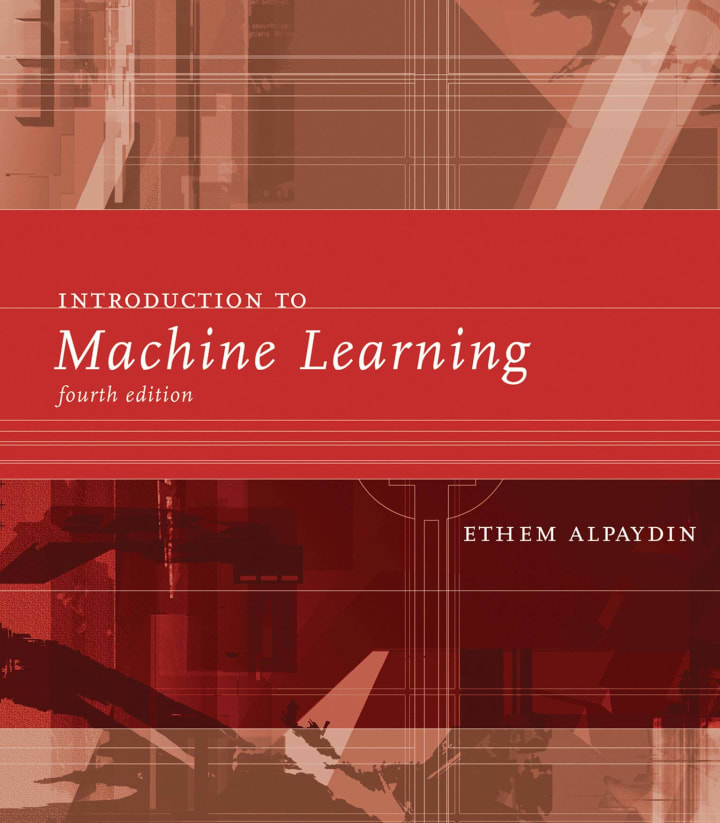
22. "Introduction to Machine Learning, fourth edition" by Ethem Alpaydin :
This book, originally published in 2014 and regularly updated, offers an introduction to machine learning algorithms and techniques. It covers supervised learning, unsupervised learning, reinforcement learning, and neural networks.
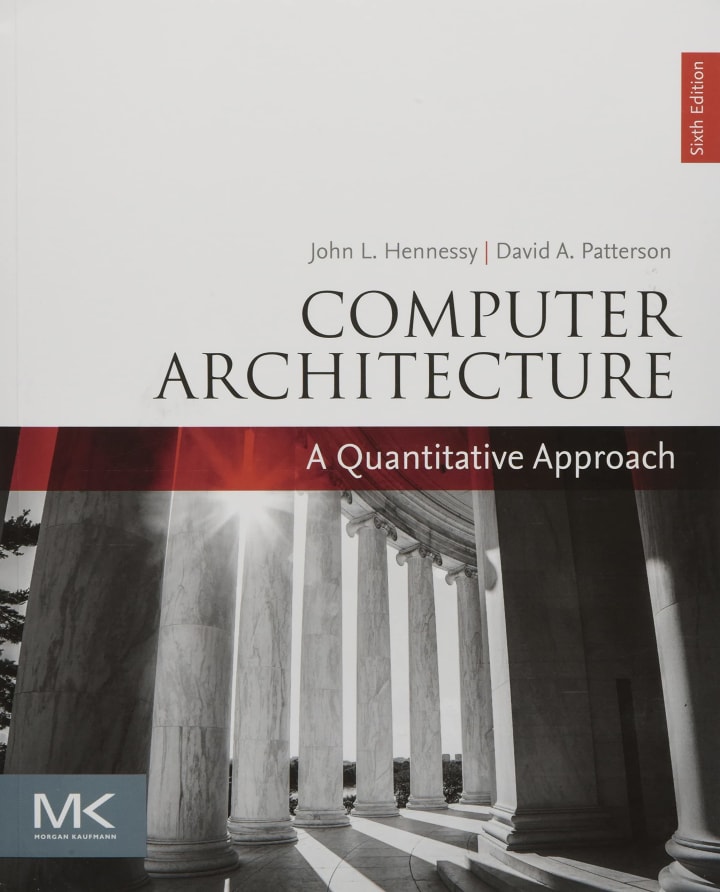
23. "Computer Architecture: A Quantitative Approach" by John L. Hennessy and David A. Patterson :
This book, first published in 1990 and regularly updated, provides a quantitative approach to computer architecture. It covers topics like instruction-level parallelism, memory hierarchy, and multiprocessors.
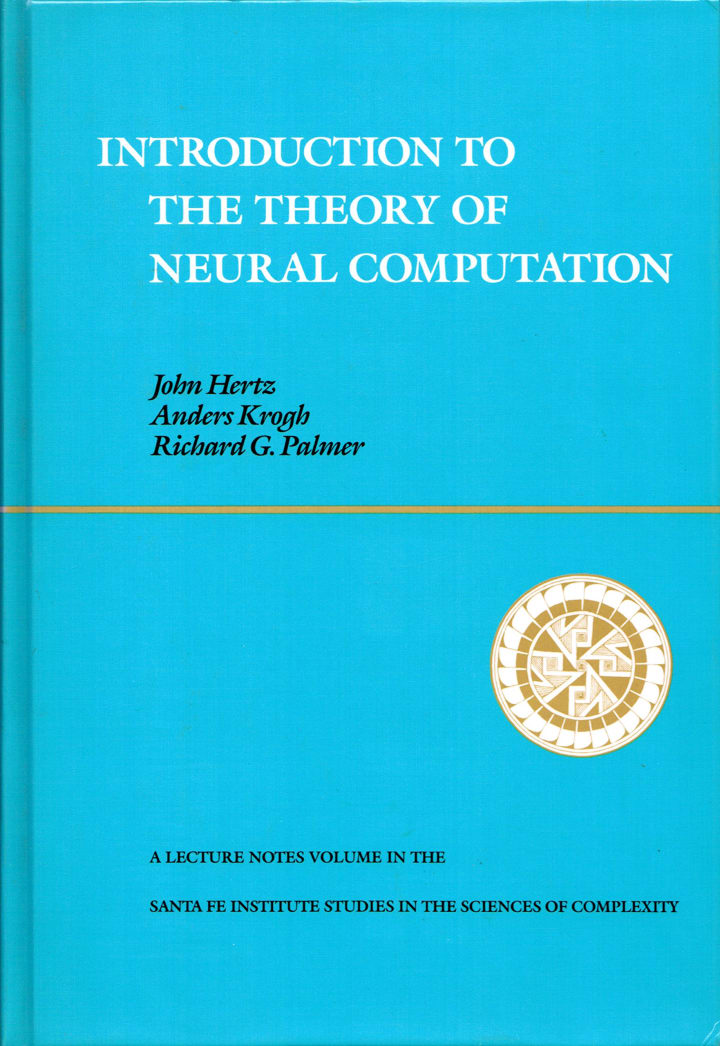
24. "Introduction to the Theory of Neural Computation" by John Hertz, Anders Krogh, and Richard G. Palmer :
This book explores the theory of neural computation. It covers artificial neural networks, learning algorithms, and their applications in pattern recognition and machine learning.
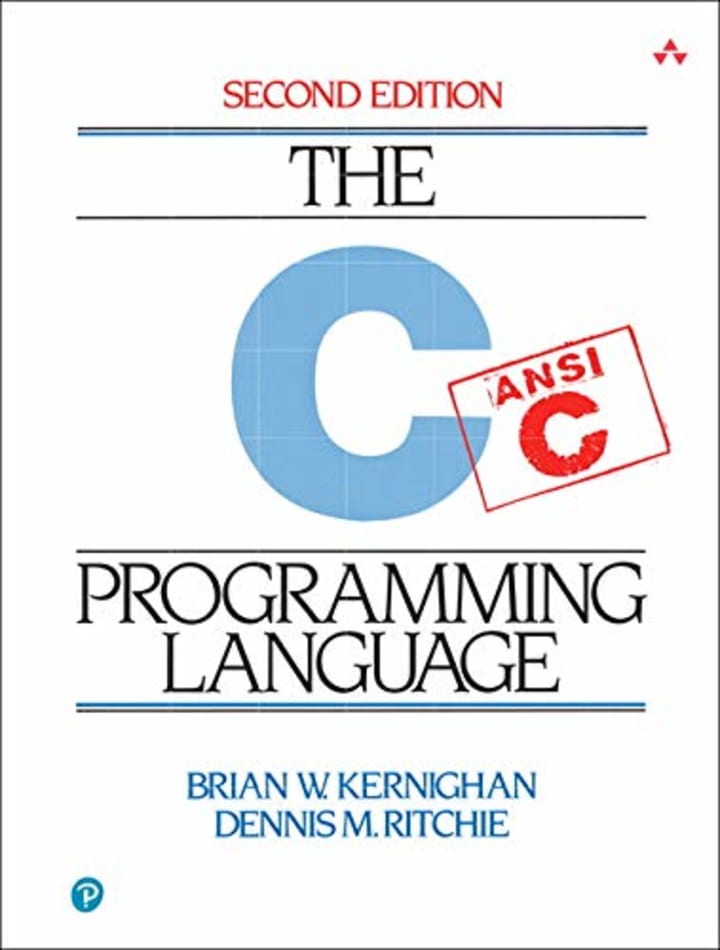
25. "The C Programming Language" by Brian W. Kernighan and Dennis M. Ritchie :
This classic book remains a definitive guide to the C programming language. It covers the fundamentals of C programming, including syntax, data types, control structures, and standard library functions.
Conclusion:
These 25 educational books for computer science cover a wide range of topics and have stood the test of time. Whether you're a student, professional, or simply interested in expanding your knowledge, these books will serve as trusted companions throughout your lifetime. They offer a solid foundation, advanced concepts, and practical insights, ensuring your continuous growth and success in the field of computer science.
About the Creator
NovelNest Books
Book Recommendations
Keep reading
More stories from NovelNest Books and writers in Education and other communities.
Top 25 Books For Mathematicians: That Will Stay by Your Side Throughout Your Lifetime!
Mathematics is a captivating field that encompasses logic, patterns, and problem-solving. Whether you're a student, educator, or simply fascinated by numbers, these 25 books on math will broaden your horizons and deepen your understanding of the subject. Ranging from classic texts to modern masterpieces, these books cover a wide array of mathematical topics. So, let's embark on a journey through the fascinating world of mathematics.
By NovelNest Books3 years ago in Education




Comments
There are no comments for this story
Be the first to respond and start the conversation.