
Top 10 Real-World Applications of Artificial Intelligence Today
Discover how AI is revolutionizing industries from healthcare to finance with practical, real-world use cases you encounter every day
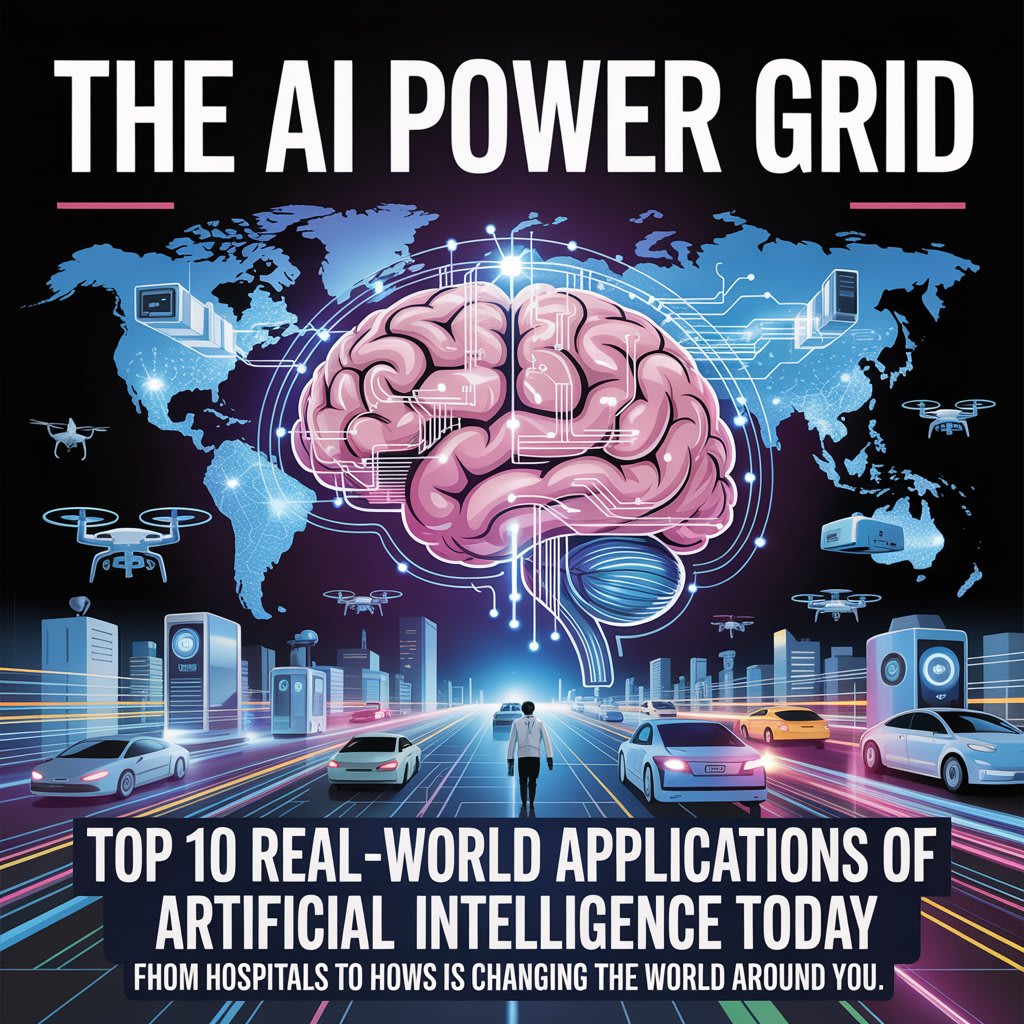
Artificial Intelligence (AI) is no longer a futuristic concept; it is already integrated into our daily lives, transforming the way we live, work, and interact. From personalized online experiences to advanced healthcare diagnostics, AI is behind many innovations that are shaping the future. In this article, we explore the top 10 real-world applications of Artificial Intelligence today and how they are revolutionizing industries across the globe.
1. AI in Healthcare
AI in healthcare is one of the most impactful applications of this technology. Machine learning algorithms can analyze complex medical data to assist doctors in diagnosing diseases such as cancer, heart conditions, and neurological disorders. AI-powered diagnostic tools like IBM Watson Health help medical professionals make more accurate decisions. Predictive analytics also enable early detection of diseases, improving patient outcomes and reducing treatment costs.
2. AI in Finance
The financial sector has embraced Artificial Intelligence in finance for fraud detection, risk assessment, and algorithmic trading. AI algorithms analyze vast datasets in real time to identify unusual transactions and flag potential fraud. Robo-advisors are now managing investment portfolios based on individual risk profiles. Financial institutions use AI to enhance customer service through chatbots and personalized banking experiences.
3. AI in Retail and E-commerce
AI in e-commerce has redefined the customer experience. Online retailers use AI to provide personalized product recommendations, optimize pricing strategies, and forecast demand. Virtual shopping assistants and AI-powered chatbots guide customers through their purchasing journey, while computer vision helps with inventory management and product recognition. Amazon, for example, uses AI extensively for supply chain optimization and product delivery.
4. AI in Transportation and Autonomous Vehicles
One of the most visible uses of AI in transportation is in the development of autonomous vehicles. Self-driving cars rely on AI algorithms to process data from sensors, cameras, and GPS systems to make real-time driving decisions. AI also plays a role in route optimization, traffic prediction, and fleet management. Companies like Tesla, Waymo, and Uber are at the forefront of AI-driven mobility.
5. AI in Customer Service
AI-powered chatbots and virtual assistants have become standard in customer support. These tools use natural language processing (NLP) to understand and respond to customer queries efficiently. AI reduces response times, improves resolution rates, and enables 24/7 customer support. Businesses also leverage AI for sentiment analysis to better understand customer feedback and improve services.
6. AI in Education
AI in education is making learning more personalized and accessible. Adaptive learning platforms adjust content delivery based on a student’s strengths and weaknesses. AI-driven tools assist teachers in grading assignments and monitoring student progress. Additionally, AI-powered language learning apps and virtual tutors provide immersive and interactive learning experiences.
7. AI in Manufacturing and Industry 4.0
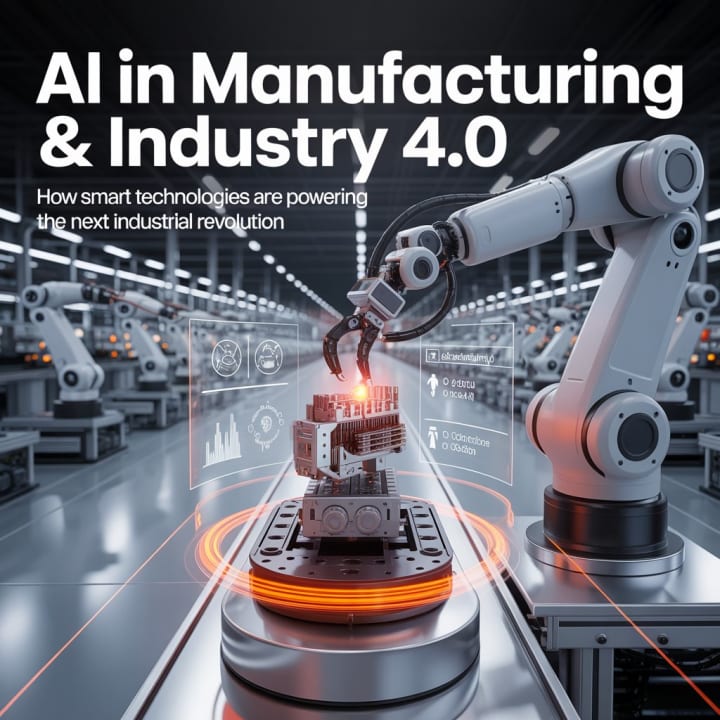
The integration of AI in manufacturing is driving the fourth industrial revolution, often referred to as Industry 4.0. AI optimizes production lines, predicts equipment failures through predictive maintenance, and enhances quality control using machine vision. Automation powered by AI increases efficiency, reduces downtime, and minimizes human error in industrial operations.
8. AI in Agriculture
AI in agriculture is helping farmers increase productivity and sustainability. Smart farming techniques use AI for crop monitoring, soil analysis, and pest detection. Drones and sensors collect data that AI algorithms analyze to provide insights on irrigation, fertilization, and harvesting schedules. Precision agriculture enabled by AI is crucial for addressing food security challenges.
9. AI in Entertainment and Media
Artificial Intelligence in entertainment is enhancing content creation and consumption. Streaming platforms like Netflix and Spotify use AI to recommend movies, shows, and music based on user preferences. In gaming, AI generates dynamic environments and intelligent non-player characters (NPCs). AI is also being used to create realistic visual effects and automate video editing processes.
10. AI in Cybersecurity
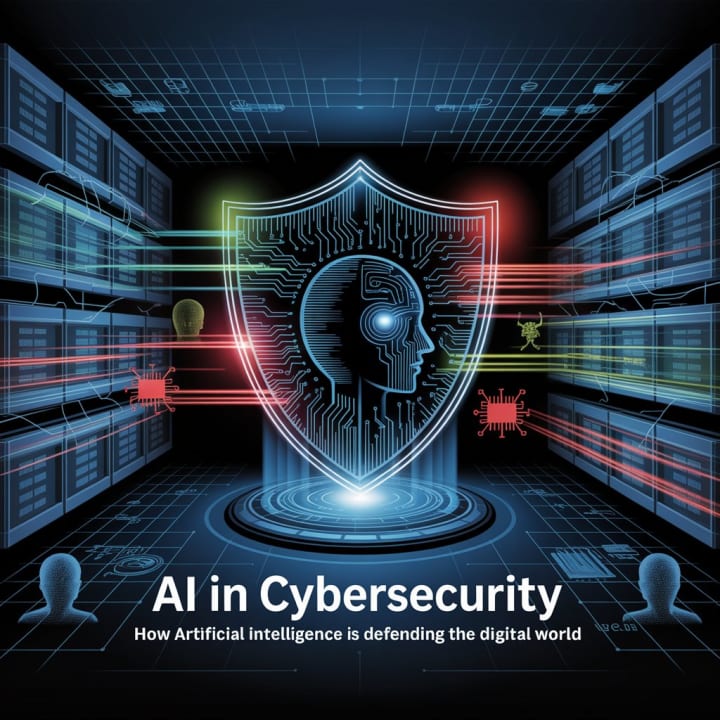
With rising digital threats, AI in cybersecurity is essential for protecting data and infrastructure. AI systems detect and respond to threats faster than traditional methods. Machine learning algorithms analyze network behavior to identify anomalies, phishing attacks, and malware. AI-driven security tools offer proactive defense mechanisms, making systems more resilient against cyberattacks.
About the Creator
Keep reading
More stories from writers in Education and other communities.
How Do Server Storage Support Virtualization and Big Data Needs
Data keeps growing every single day. Businesses are creating and saving more files than ever before. According to a global data report, around 221 zettabytes of data are expected to be generated in 2026.
By Jessica Stephen7 days ago in Education
Cabin Fever Because of Snow, Sleet, and Freezing Rain That Turned to Icy Roads
What Is Cabin Fever? The short answer is that cabin fever is restlessness from being in a confined area. Cabin fever is the distressing irritability or restlessness experienced when a person or group is stuck at an isolated location or in confined quarters for an extended time. Research shows that prolonged cold, gray skies, and being stuck indoors can trigger mood shifts similar to “winter blues.”
By Margaret Minnicks2 days ago in Humans




Comments
There are no comments for this story
Be the first to respond and start the conversation.