
The Mediterranean Sea, segmented from the Atlantic Ocean by the Strait of Gibraltar, boasts a grand coastline stretching over 28,000 miles. However, there is one peculiar sea that defies the norm – the Sargasso Sea. Unlike other seas, the Sargasso Sea has no tangible rocky border, as it is delineated by powerful ocean currents that form the North Atlantic gyre, enclosing this unique sea from the rest of the ocean.
The Sargasso Sea's waters are exceptionally calm and tranquil due to the protective currents that surround it. This has led to legends of ships becoming trapped within the sea's motionless waters, unable to break free. One unsettling tale is that of the French merchant ship Rosalie, which was discovered adrift in the Sargasso Sea in 1840, completely abandoned with no trace of its crew.
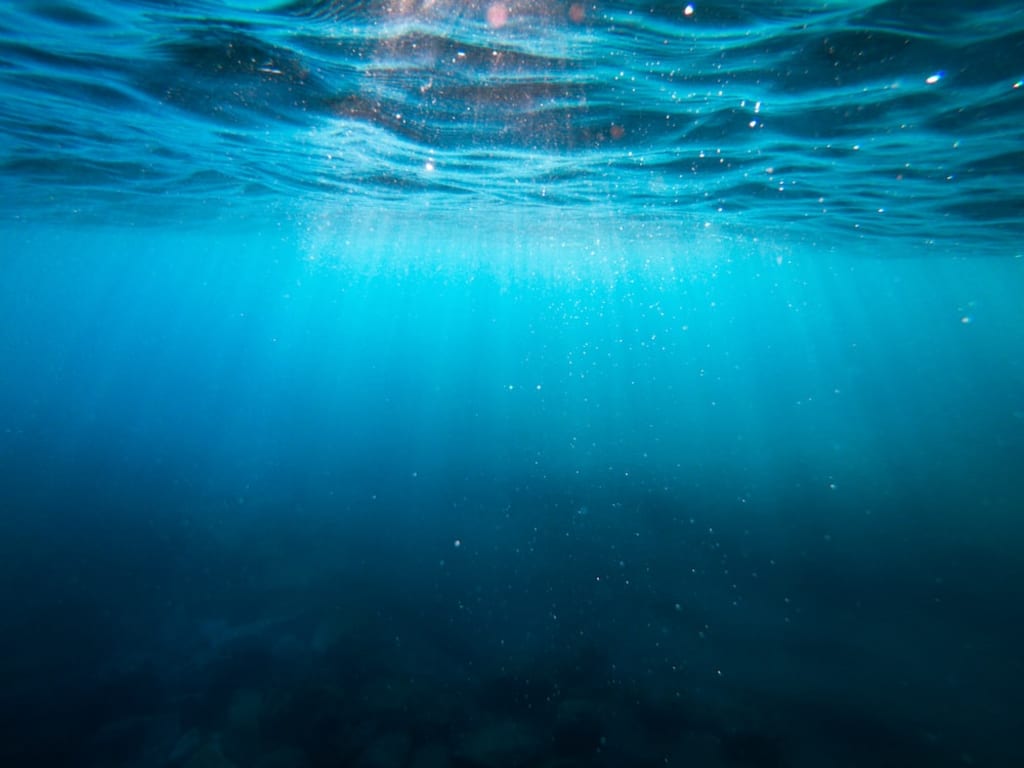
The size of the Sargasso Sea remains uncertain, as its borders constantly change with the ocean currents. However, it is roughly around 1800 by 600 nautical miles. The Sargasso Sea is recognizable by the deep blue color of its water, and its unique floating seaweed, Sargassum. This brown microalgae forms large rafts that float gracefully atop the ocean's surface, creating a distinctive environment with its calm waters and remarkable biodiversity.
The Sargasso Sea has fascinated sailors, explorers, and scientists throughout history. Sailors have spun tales of fantastical creatures and ghost ships lurking within its waters. The Phoenicians, an ancient seafaring civilization, may have discovered the Sargasso Sea thousands of years before Christopher Columbus during their maritime adventures. Recent discoveries of Phoenician artifacts near the Sargasso Sea have fueled this speculation.
The Sargasso Sea is home to a wealth of unique and specialized creatures, some of which are found nowhere else on Earth. It serves as an oasis for baby sea turtles seeking shelter and for the Atlantic white marlin, which uses the Sargassum as a spawning ground. The Sargasso fish, named after the sea, cleverly camouflages itself among the seaweed to hunt its prey.
Despite its remote location within international waters, the Sargasso Sea faces threats from human activities, particularly plastic pollution. The North Atlantic garbage patch, a swirling vortex of plastic debris, flows through the Sargasso Sea, endangering its fragile ecosystem. Global cooperation and conservation efforts, such as the Hamilton Declaration for the Conservation of the Sargasso Sea, are crucial for preserving this unique and invaluable part of Earth's natural legacy.
The Sargasso Sea remains a mysterious and enchanting corner of the world, with its own distinct characteristics and hidden wonders that continue to captivate those who encounter its calm and serene waters.
The calm and tranquil nature of the Sargasso Sea is attributed to its isolation within the North Atlantic gyre. The currents encircling the sea form a powerful vortex, creating a natural boundary that separates the Sargasso Sea from the surrounding ocean. This unique feature means that the Sargasso Sea lacks a conventional coastline, making it a truly oceanic sea. The delineation between the water within the Sargasso Sea and that outside it is not just a technicality; there is something fundamentally different and unusual about this water, as you're about to discover.
One of the most distinctive features of the Sargasso Sea is the presence of vast floating mats of seaweed known as Sargassum. This brown microalgae is speckled with tiny gas-filled sacks called pneumatocysts, which allow the seaweed to float gracefully atop the ocean's surface. These extensive tangled rafts of Sargassum are mesmerizing to behold and have fascinated explorers, scientists, and sailors alike throughout history.
The floating Sargassum seaweed serves as a vital oasis for many highly specialized creatures, some of which are found only within the Sargasso Sea and nowhere else on Earth. The Sargasso Sea is often referred to as the "Floating Rainforest" due to the remarkable range of biodiversity found in this otherwise desolate region of the ocean. Over 100 fish species, 145 invertebrates, and even 10 species of sharks call these supposedly silent waters their home.
One of the remarkable denizens of the Sargasso Sea is the baby sea turtle. Upon hatching on Caribbean shores, these tiny heroes embark on an epic quest, seeking shelter and Mr. Sargassum's protective embrace. The Sargassum provides both nourishment and camouflage, allowing these defenseless hatchlings to dodge the hordes of predators seeking to gobble them up.
Another fascinating resident of the Sargasso Sea is the Atlantic white marlin. Pregnant females release their eggs within the tangled seaweed mats, providing a secure haven for their offspring to mature. This novel spawning strategy is exclusively used by this fish.
A creature so well adapted to these waters that it is named after it is the Sargassum fish. Histrio histrio, as it is scientifically known, boasts a body adorned with weed-like protrusions and mottled skin, expertly mimicking the seaweed's appearance. This ingenious camouflage allows the Sargassum fish to blend seamlessly within the antisocial Sargassum as it employs a stealthy hunting tactic, lying in wait for unsuspecting prey to wander too close to the seaweed before striking with lightning-fast reflexes and lethal accuracy.
The Sargasso Sea is a place of symbiosis, where species partake in mutually advantageous interactions. Tiny crustaceans munch on algae and detritus, which, in turn, supplies essential nutrients for the seaweed to flourish. When the seaweed breaks down, it releases vital nutrients back into the water, fueling microscopic organisms like phytoplankton, which forms the foundation of the marine food chain.
Despite its ecological importance and cultural worth, the Sargasso Sea faces threats from human activities, particularly plastic pollution. The North Atlantic garbage patch, a swirling vortex of plastic packaging and assorted debris, flows through the Sargasso Sea, where it inevitably becomes entangled with the sprawling Sargassum seaweed mats. This spells disaster for the Sargasso Sea's special creatures and its fragile ecological equilibrium.
Efforts to combat plastic pollution and preserve the Sargasso Sea's unique ecosystem are underway. Organizations like the Ocean Cleanup and the Five Gyres are hard at work extracting plastic waste from the oceans. Innovative technologies are also being explored to address the plastic pollution crisis. However, preserving the Sargasso Sea ultimately requires global cooperation and a commitment from nations and individuals alike.
In 2014, the Hamilton Declaration for the Conservation of the Sargasso Sea was signed, pledging support for the preservation of this remarkable marine ecosystem. The declaration represents a worldwide commitment to safeguarding the Sargasso Sea's biodiversity and ensuring its future remains pristine and protected.
The Sargasso Sea, with its peculiar characteristics and hidden wonders, stands as a testament to the marvels of the natural world. Its enchanting beauty, coupled with its ecological significance, make it an invaluable asset for humanity's future. As we continue to explore and learn more about this unique sea, it is crucial that we take responsibility for its conservation and ensure that its mysteries and treasures endure for generations to come.
About the Creator
Andrew
I really enjoy branching out and learning new and interesting things about the world around me and the history behind it. I try very hard to keep an open mind and dig as far down as the rabbit hole goes.
Education 2.0 Experts Outline Why Students Are The Primary Targets Of AI-Powered Scam Offenses
Artificial intelligence is reshaping education at an unprecedented pace. From virtual classrooms and adaptive learning platforms to automated admissions support and global scholarship discovery tools, AI has made education more accessible than ever. However, this rapid digitization has also created fertile ground for fraud. As education systems increasingly move online, students have emerged as the primary targets of AI-powered education fraud.
By Education 2.0 Conference7 days ago in Education
Navigating the Most Complex Heart Conditions
Cardiology is advancing at a remarkable pace, thanks to next-generation imaging technologies that allow doctors to see the heart in extraordinary detail. For patients with complex or rare cardiac conditions, these tools provide insights that traditional methods often miss. By combining structural, functional, and metabolic imaging, physicians can make accurate diagnoses, plan effective treatments, and monitor progress with unprecedented precision. Modern cardiac imaging is redefining how heart disease is detected and managed.
By Nishi Patela day ago in Education


Comments
There are no comments for this story
Be the first to respond and start the conversation.