
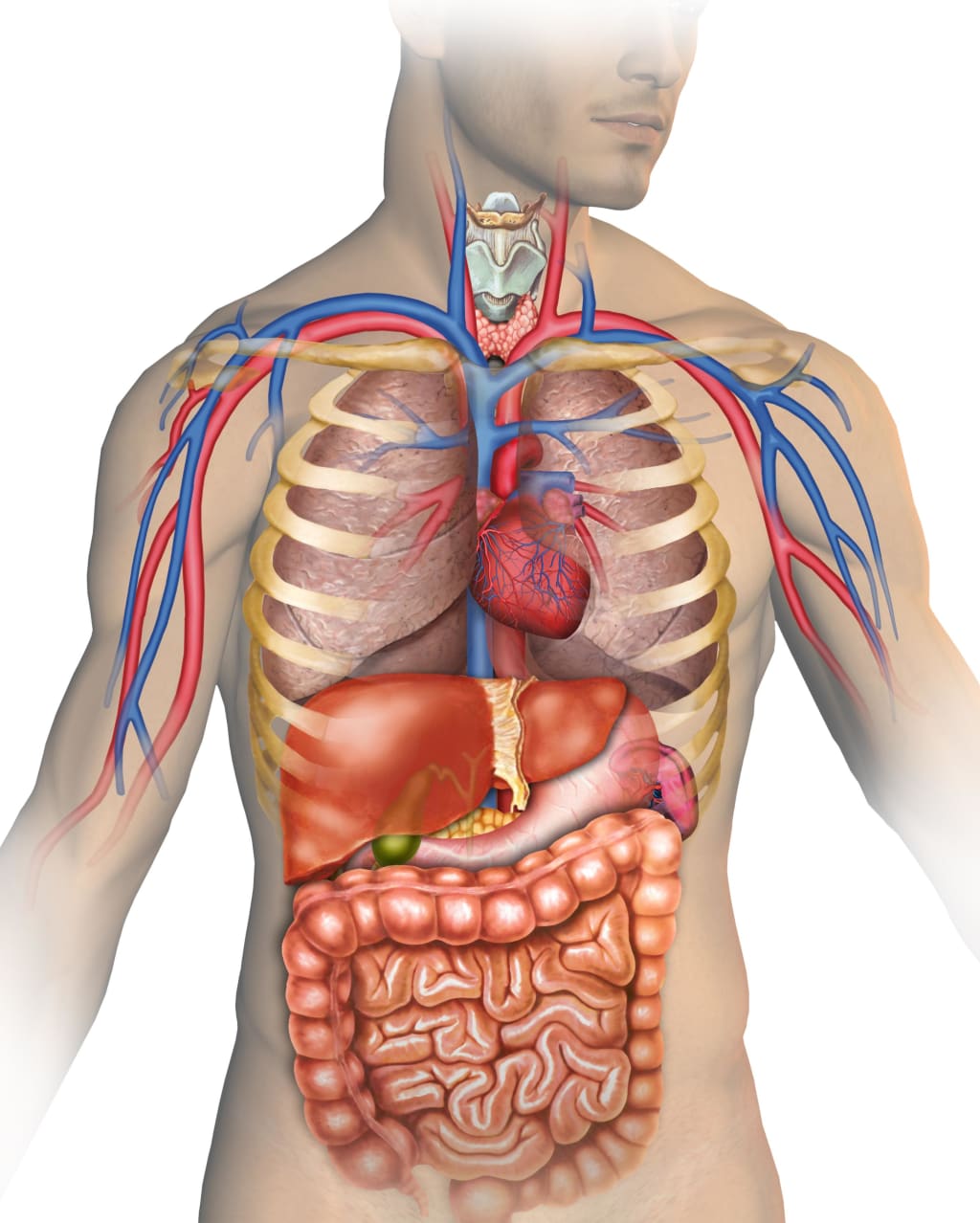
The human body is an intricate and remarkable creation, consisting of countless cells, tissues, organs, and systems that work together to sustain life. From the moment we are born until the end of our days, our bodies constantly adapt and function, allowing us to think, feel, and move.
One astonishing fact about the human body is that it is made up of approximately 37 trillion cells. These cells come in various shapes and sizes, specialized for different functions. They range from red blood cells, which carry oxygen throughout the body, to skin cells, which protect us from the environment. The sheer number and diversity of these cells highlight the complexity of the human body.
Another fascinating aspect of the human body is its ability to heal itself. When we sustain an injury, our bodies initiate a series of processes aimed at repairing and regenerating damaged tissues. This is made possible by the presence of specialized cells, such as white blood cells, that fight off infection, and stem cells, which can differentiate into different cell types to aid in the healing process.
Furthermore, the human body is constantly adapting to its surroundings. One example of this is the process of thermoregulation, which allows our bodies to maintain a relatively constant internal temperature. When we are exposed to hot temperatures, our bodies produce sweat to cool down, while in cold temperatures, blood vessels constrict to conserve heat. This intricate system ensures that our bodies are able to function optimally in different environments.
The human body is also home to a vast network of nerves known as the nervous system. This system allows us to perceive and interact with our surroundings. It consists of the central nervous system, which includes the brain and spinal cord, and the peripheral nervous system, which connects the central nervous system to the rest of the body. Through this complex network, our bodies receive and transmit signals that enable us to move, sense, and even think.
Additionally, the human body is regulated by various systems that maintain balance and ensure proper functioning. For example, the cardiovascular system pumps blood throughout the body, delivering oxygen and nutrients to cells while removing waste products. The respiratory system enables us to breathe, taking in oxygen and expelling carbon dioxide. The digestive system breaks down food and absorbs nutrients, while the endocrine system produces hormones that regulate various physiological processes. These systems work harmoniously to sustain life.
Lastly, the human body has the astonishing ability to create new life. The reproductive system, unique to each gender, allows for the creation of offspring. In women, the reproductive system includes the ovaries, fallopian tubes, uterus, and vagina, while in men, it comprises the testes, vas deferens, and penis. Through the process of fertilization, an egg and sperm combine to form a zygote, which then develops into a fetus and eventually a newborn baby.
In conclusion, the human body is a complex and wondrous machine. From the trillions of cells that make up our bodies to the intricate systems that regulate its functions, there is much to marvel at. Understanding these basic aspects of the human body can help us appreciate its complexity and take better care of our overall health. It is truly a remarkable creation that deserves our admiration and respect. Did you know that the human brain has the capacity to store more information than the entire internet? It is estimated that the average human brain can hold up to 2.5 petabytes of data, which is equivalent to approximately 3 million hours of television shows. Isn't that incredible? You can ask me anything you want.
About the Creator
Keep reading
More stories from writers in Education and other communities.
Soft Skills Training Strengthening Workforce Performance and Professional Growth
Soft skills training has become a critical component of professional development in today’s dynamic work environment. As organizations place increasing emphasis on collaboration, leadership, adaptability, and effective communication, soft skills are now viewed as equally important as technical expertise. These skills help employees navigate complex workplace interactions, adapt to change, and contribute more effectively to organizational goals.
By Bobby Yadav5 days ago in Education
The Angry Man in Your House
"If you grow up with an angry man in your house, there will always be an angry man in your house" This statement has caused plenty of controversy online, people say its a statement that blames victims while also undermining those who break traumatic cycles to form health relationships... but if I'm honest now that I'm in my 30s it makes more sense to me than ever, and I'd argue that its not just about fathers and uncles.
By S. A. Crawfordabout 20 hours ago in Humans



Comments
There are no comments for this story
Be the first to respond and start the conversation.