
The World of Finance: How Money Shapes Lives, Markets, and Nations
A Beginner’s Guide to Understanding the Systems, Institutions, and Strategies That Drive the Global Economy

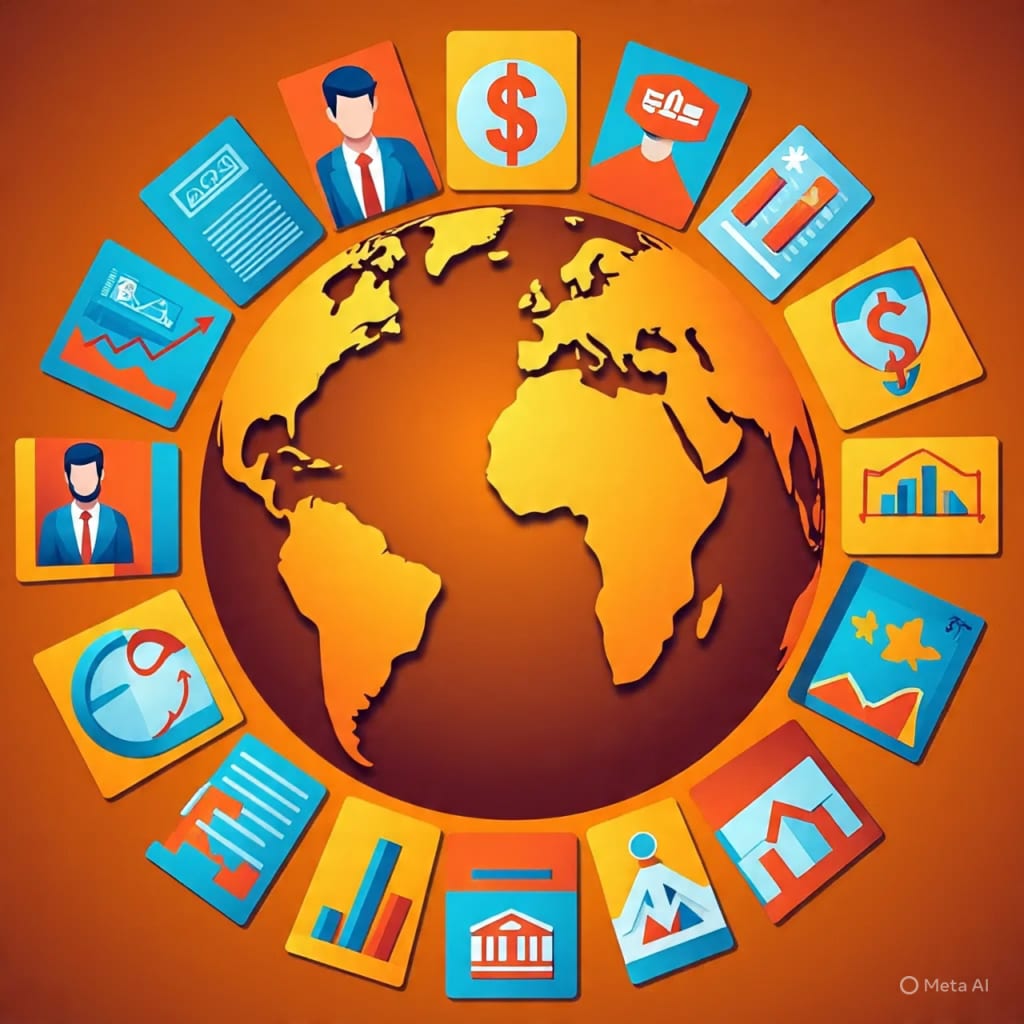
The World of Finance: Understanding How Money Moves the Modern World
The world of finance is vast, complex, and ever-changing — but at its core, it’s simply about how money is managed, moved, and multiplied. From everyday banking to billion-dollar stock trades, finance plays a central role in the functioning of economies, businesses, and individual lives.
Understanding how the financial world works is no longer optional — it’s a necessity. Whether you're an employee, entrepreneur, investor, or student, learning the basics of finance can help you make smarter decisions, grow your wealth, and avoid costly mistakes.
Let’s explore what the world of finance really involves, and how it impacts your life every day.
What Is Finance?
Finance is the study and management of money, investments, and financial instruments. It includes how individuals, companies, and governments raise, spend, and save money.
Finance is typically divided into three main areas:

Personal Finance – managing your own money (budgeting, saving, investing, and debt).
Corporate Finance – how businesses fund operations and growth.
Public Finance – government-related finance like taxes, budgeting, and spending.
All three of these areas are deeply connected and affect each other. For example, how a government sets interest rates can impact both a business’s investment strategy and a consumer’s mortgage payment.
Key Components of the Financial World
1. Banks and Financial Institutions
Banks are the core of the financial system. They store money, provide loans, and facilitate payments. Other institutions like credit unions, investment firms, and insurance companies play important roles as well.
Without banks, individuals couldn’t easily save or borrow money, and businesses couldn’t fund expansion. These institutions help move money from savers to borrowers, enabling economic growth.
2. Stock Market and Capital Markets
Capital markets — especially stock markets — allow companies to raise money by selling shares to investors. These markets also give people opportunities to invest and grow their wealth.
Major stock exchanges like the New York Stock Exchange (NYSE) and NASDAQ are where billions of dollars are traded daily. They reflect the health of businesses and economies, and often drive financial decisions globally.
3. Credit and Debt
Credit is the ability to borrow money with the promise to pay it back later, often with interest. Debt, when used wisely, can be a powerful tool — it helps people buy homes, start businesses, or invest in education.
However, mismanaged debt (like excessive credit card use) can lead to financial disaster. Understanding interest rates, credit scores, and repayment terms is crucial in today’s financial environment.
4. Investing and Wealth Building
Investing is a key pillar of finance. It involves putting money into assets like stocks, bonds, real estate, or businesses in order to earn returns over time.
While investing carries risk, it’s often the only way to beat inflation and build long-term wealth. The earlier you start, the more time compound interest has to work in your favor.
Global Finance and Economic Impact
Finance doesn’t exist in isolation — it’s deeply tied to global events, politics, and economies. Currency exchange rates, trade policies, inflation, and interest rates can all impact how money flows around the world.
For example:
A war or political crisis in one country can cause global markets to drop.
A central bank raising interest rates in the U.S. can affect currencies in Asia or Africa.
Global debt levels can influence national policies and tax rates.
This interconnected system means that understanding finance also involves being aware of world affairs, economic indicators, and long-term trends.
Digital Finance and the Future
The financial world is evolving fast thanks to technology. Digital banking, mobile payments, and cryptocurrency are transforming how we use and think about money.
Fintech (financial technology) companies are changing the game by offering new tools for investing, budgeting, and lending. Blockchain technology, decentralized finance (DeFi), and digital assets like Bitcoin are redefining the future of money.
As finance goes digital, access becomes easier — but the risks can also grow. Financial literacy is more important than ever in navigating this changing landscape.
Why Financial Literacy Matters
At the end of the day, finance isn’t just for Wall Street traders or economists. It affects your rent, your job, your savings, and your future.
Knowing how to:
Budget and track spending
Save for emergencies
Invest for long-term goals
Avoid bad debt
Understand economic trends
...can mean the difference between struggling and thriving financially.
Final Thoughts
The world of finance is both exciting and essential. It powers economies, shapes global events, and determines the success of nations and individuals alike. The more you understand how money works — and how to make it work for you — the more control and confidence you’ll have in every area of life.
Finance isn’t just about dollars and cents — it’s about freedom, opportunity, and building a better future.
About the Creator
Keep reading
More stories from MoneyOrbit and writers in Education and other communities.
The 70-20-10 Rule: A Simple Path to Financial Freedom
The 70-20-10 Rule: A Simple Formula for Earning, Saving, and Spending Money Wisely When it comes to earning and managing money, most people feel overwhelmed. With all the advice out there — budgeting apps, investing strategies, saving goals — it’s hard to know where to begin. But there's a simple financial rule that can help almost anyone build wealth, stay out of debt, and live comfortably without complicated math: the 70-20-10 Rule.
By MoneyOrbit5 months ago in Education



Comments
There are no comments for this story
Be the first to respond and start the conversation.