
The Urgent Call to Protect Our Ecosystem
Combating Pollution for the Well-being of Humans, Sea Creatures, and Terrestrial Animals

Introduction:
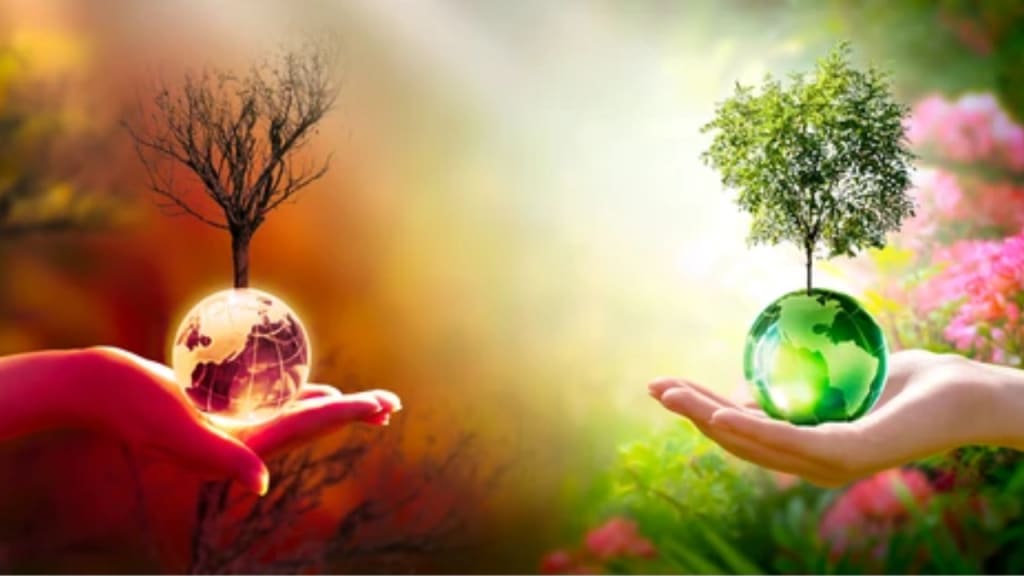
Our beautiful planet Earth, teeming with diverse ecosystems and vibrant life, is facing an imminent threat—pollution. The pollution of our environment is not only affecting the delicate balance of nature but also impacting the health and well-being of humans, sea creatures, and terrestrial animals alike. In this narrative, we will explore the profound consequences of ecosystem pollution and the urgent need for collective action to safeguard our planet and its inhabitants.
The Devastating Impact on Humans:
Ecosystem pollution poses a grave danger to human health. Air pollution, caused by harmful emissions from industries, vehicles, and burning fossil fuels, leads to respiratory issues, cardiovascular diseases, and even premature death. Water pollution, stemming from industrial waste and improper disposal, contaminates our water sources, causing waterborne diseases and posing a threat to our overall well-being. The indiscriminate use of pesticides and chemicals further jeopardizes human health, affecting food quality and leading to long-term consequences.
Disturbing the Aquatic Realm:
Pollution has devastating consequences for sea creatures that call our oceans, rivers, and lakes home. Plastic pollution, in the form of discarded bottles, bags, and micro plastics, chokes marine life, entangles animals, and disrupts their natural habitats. Chemical pollutants, such as oil spills and toxic waste, contaminate the water, rendering it toxic for marine organisms. As a result, coral reefs bleach and die, fish populations decline, and entire ecosystems collapse, threatening biodiversity on a global scale.
Endangered Terrestrial Animals:
Terrestrial animals, from majestic elephants to vulnerable insects, also suffer from the adverse effects of pollution. Habitat destruction due to deforestation, driven by human activities like logging and urbanization, displaces countless species and disrupts their ecological balance. Pollution from industrial processes and agricultural runoff contaminates soil and water, affecting the food chain and jeopardizing the survival of both predator and prey. As ecosystems degrade, animals face dwindling resources, decreased fertility, and increased vulnerability to diseases.
Climate Change and Environmental Imbalance:
Pollution plays a significant role in exacerbating climate change, leading to a myriad of environmental imbalances. Greenhouse gas emissions from human activities contribute to global warming, leading to rising temperatures, extreme weather events, and the melting of polar ice caps. These changes disrupt ecosystems, forcing animals to adapt or face extinction. Moreover, the alteration of natural cycles, such as migration patterns and reproductive behaviors, affects the delicate interdependencies of various species.
The Importance of Collective Action:
In the face of such dire circumstances, it is crucial for individuals, communities, and governments to take immediate and collective action to combat pollution. Education and awareness campaigns can empower people to make sustainable choices, reduce waste, and adopt eco-friendly practices. Governments must enforce stringent environmental regulations, incentivize clean energy alternatives, and promote sustainable development practices. Additionally, investing in research and innovation can lead to the development of cleaner technologies and eco-friendly solutions.
Protecting Our Ecosystems:
To protect our ecosystems, we must prioritize conservation efforts and sustainable resource management. Reforestation initiatives can help restore habitats and mitigate the effects of deforestation. Strict waste management protocols, including recycling and proper waste disposal, are essential to prevent pollution from reaching our oceans and land. Collaboration between communities, scientists, and conservation organizations is crucial for the preservation of endangered species and the restoration of ecosystems.
Transitioning to a sustainable future requires a collective commitment to reduce pollution and restore our environment. Embracing renewable energy sources, promoting eco-tourism, and supporting local, organic agriculture can contribute to a cleaner, healthier planet
Conclusion:
The consequences of ecosystem pollution are far-reaching, impacting humans, sea creatures, and terrestrial animals, as well as the delicate balance of our planet. Urgent action is needed to combat pollution and protect our environment for future generations. By addressing the root causes of pollution, such as industrial emissions, improper waste management, and deforestation, we can mitigate the devastating effects on human health, biodiversity, and the stability of ecosystems.
Collective action is essential in this endeavor. Governments must enact and enforce stringent environmental regulations while investing in clean technologies and sustainable practices. Education and awareness campaigns can empower individuals to make conscious choices and adopt environmentally friendly habits. Collaboration between communities, scientists, and conservation organizations is crucial for the preservation of our natural resources and the restoration of damaged ecosystems.
Protecting our ecosystems and combating pollution is not only a responsibility but also an opportunity for positive change. By embracing sustainable practices and prioritizing the well-being of our planet, we can create a future where humans coexist harmoniously with nature. Let us stand united in our commitment to protect our environment, ensuring a cleaner, healthier, and more resilient world for all living beings.
About the Creator
Vaishnavi tvn
I will give my best meaningful stories that enhance you make fashionable habits and move to proper lifestyle. it will be very helpful to switch for perfect life.
Keep reading
More stories from Vaishnavi tvn and writers in Education and other communities.
Pedaling into the Night
Introduction: As the sun sets and the stars begin to twinkle in the darkened sky, a group of avid cyclists gathers at the starting point, their bicycles equipped with shimmering lights. Excitement and anticipation fill the air as they prepare to embark on a thrilling adventure: a night bike ride. Join me as we pedal into the night and immerse ourselves in the magic that unfolds along the way.
By Vaishnavi tvn3 years ago in Education
Innovation and Adaptability in Action: How to Thrive in a Fast-Changing World
The modern world changes fast. New tools, new ideas, and new challenges appear every day. People and organizations must respond with speed and purpose. This is why innovation and adaptability matter more than ever. These skills help individuals, teams, and businesses stay strong during change. They support growth, learning, and long-term success. When change feels constant, the right mindset can turn risk into opportunity. Innovation and adaptability are not abstract ideas. They are daily actions. They guide how we solve problems, learn new skills, and adjust plans. They help us move forward when old ways no longer work. In a world shaped by technology, climate issues, and social shifts, these qualities are essential.
By Brian Ferdinand3 days ago in Education
Autonomy Is The Real Privilege
Good morning, freedom-seekers! Today we’re gonna be looking at autonomy. A strange word, I know; one many would probably look at blankly and run away from on sight. We’re gonna figure out what it actually means, consider how it’s achieved, and decipher just how deeply most of us are tangled up in dependence without realising it.
By That ‘Freedom’ Guy4 days ago in Humans



Comments
There are no comments for this story
Be the first to respond and start the conversation.