
The UPS Flight 2976 Tragedy: A Deep Dive into the Causes, Impact, and Lessons for the Future
Examining the events of the UPS Flight 2976 crash, its contributing factors, and what aviation can learn to prevent similar tragedies.


1. Overview of the Incident: What Happened?
On November 4, 2025, the UPS Airlines cargo plane, Flight 2976, crashed just moments after taking off from Louisville Muhammad Ali International Airport in Kentucky. The aircraft, a McDonnell Douglas MD-11F, was en route to Honolulu when disaster struck. According to initial reports, the plane experienced an engine separation shortly after takeoff, followed by an uncontrollable fire on the left wing.
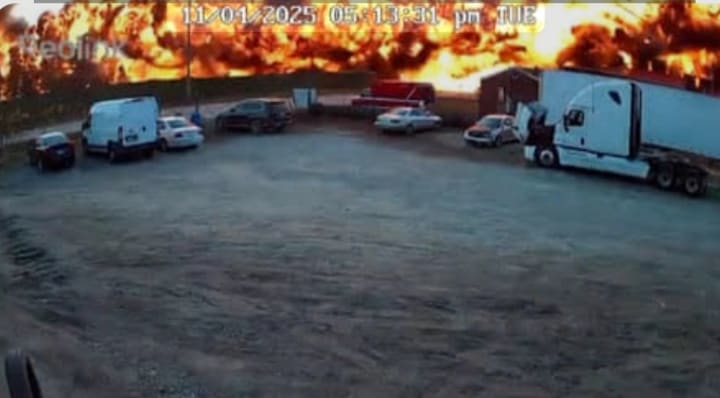
The aircraft, unable to maintain altitude, crashed into an industrial area nearby. The impact triggered a massive fire, exacerbated by the large quantities of fuel and debris scattered at the crash site. Tragically, 12 people were confirmed dead, including ground workers. Several others were also injured in the blast.
In the aftermath, both the National Transportation Safety Board (NTSB) and the Federal Aviation Administration (FAA) launched an investigation into the causes of the crash. The loss of life and destruction was a reminder of how aviation incidents can affect not just those on board but also the surrounding community.
This tragedy stands out because it involved a cargo plane, rather than a passenger flight. However, its impact is felt broadly, as it raises key questions about aviation safety, mechanical failure, and how such tragedies can be prevented in the future.
2. Why Do Planes Crash? — Common Causes of Aircraft Disasters
The causes of aircraft disasters are often complex, involving a combination of factors. From a safety and investigative perspective, the following are key categories that contribute to crashes:
Mechanical or Structural Failures: If crucial parts of the aircraft, like engines, wings, or other systems, are not properly maintained or are affected by fatigue, the risk of failure increases. In this case, the separation of the left engine is considered a central factor.
Human Factor — Pilot Error or Lack of Training: The experience and decision-making abilities of the crew play a significant role in the safety of a flight. Fatigue, miscommunication, or an unanticipated decision in a critical moment can lead to tragic outcomes.
Operational or Environmental Factors: Weather conditions, visibility, runway state, fuel load, and other operational parameters can exacerbate risks. For example, if the aircraft is overloaded or the runway is not in optimal condition, the likelihood of an accident can rise.
Load and Balance Issues: If the aircraft is not properly balanced or overloaded, its performance during takeoff or flight can be impaired, leading to catastrophic results.
Maintenance and Inspection Failures: If regular inspections or repairs are delayed or skipped, the condition of critical components (e.g., engines, wings) can worsen, leading to failure during flight.
In the case of Flight 2976, initial reports suggest that the engine separation and subsequent fire on the left wing played a primary role in the crash. However, the full investigation is ongoing, and other factors, such as the aircraft's maintenance history, will likely be explored.

3. Contributing Factors in This Specific Incident
While the final investigation is yet to conclude, the available evidence suggests several possible contributing factors that could have played a role in this disaster:
Fire on the Left Wing: The aircraft reportedly caught fire on the left wing immediately after takeoff. This could have been a result of engine failure, fuel leakage, or a combination of both.
Engine Separation: One of the most concerning findings was the separation of the left engine. This indicates a severe mechanical failure that caused the engine to detach from the aircraft’s structure, which likely contributed to the loss of control.
Failure to Maintain Altitude: The aircraft reportedly failed to reach sufficient altitude, which would have been necessary for safe flight. This could have been caused by the loss of engine power, mechanical failure, or a failure to respond to the emergency situation.
Large Fuel Load: Given the aircraft was headed for a long-haul flight, it was carrying a large fuel load. This contributed to the severity of the fire and the extent of the damage.
Crash in an Industrial Area: The plane crashed in a heavily industrialized area, where nearby buildings and resources made the impact and fire even more destructive. The proximity to urban zones raises concerns about the safety of flight paths and risk management.
In this case, the combination of mechanical failure, engine separation, a massive fire, and the crash site location significantly escalated the consequences of the accident. These factors highlight the importance of both maintenance checks and risk management practices in high-density urban areas near airports.
4. Identifying Key Indicators for Preventing Future Disasters
From an investigative and safety standpoint, the following indicators are essential for detecting potential failures before they lead to an accident:
Unusual Engine Sounds or Vibrations: Abnormal sounds or vibrations from the engine could indicate impending failure or overheating. These signs need to be checked immediately during flight or pre-flight checks.
Flight Data or Engine Performance Logs: Any deviations in engine torque, throttle response, or abnormal readings from sensors (such as high temperatures) should be flagged for immediate inspection. Alerts for engine anomalies or sudden fluctuations in flight data can prevent major incidents.
Maintenance Records and Delayed Inspections: If there is a pattern of delayed maintenance or overlooked inspections, it is important to conduct an immediate review. Regular engine maintenance and part replacements are crucial to preventing fatigue failure.
Witness Reports or Video Footage: Visual evidence from onlookers or video footage can help investigators understand the chain of events. In this case, footage showing the engine detaching or flames appearing on the wing would have been vital in assessing the cause of the crash.
Debris Field and Fuel Leakage: After a crash, the distribution of debris and evidence of fuel leakage can provide clues to investigators. This can help them determine how the fire spread and whether mechanical failure or structural weakness contributed to the disaster.
Early identification of these warning signs, through routine inspections and real-time monitoring, can allow aviation crews to take corrective actions before disaster strikes.
5. Preventing Future Incidents — What Measures Should Be Taken?
While accidents can never be fully eliminated, several preventative measures can reduce their likelihood:
Stringent Maintenance Standards and Monitoring: Aircraft must undergo regular, rigorous maintenance. Every part — from engines to wings to fasteners — should be checked, verified, and logged. Real-time monitoring systems that track engine temperature, vibration, and fuel systems should be employed to detect anomalies early.
Reviewing Aircraft Age and Model: Older aircraft, such as the MD-11F, may require more frequent and thorough inspections due to the increased likelihood of structural fatigue. The fleet’s age, maintenance history, and safety records should be taken into account when deciding on operational lifespan.
Enhanced Crew Training: Pilots, flight attendants, and ground crew should be continually trained for emergency scenarios, such as engine failure, wing fire, or a fuel leak. In-flight emergency drills should be part of regular crew training to ensure quick and effective responses under pressure.
Rigorous Pre-Takeoff Checklists: Preflight checks must go beyond basic inspections to include engine connections, wing bolts, and fuel system integrity. Specific checks for fire hazards, engine response, and balance should be incorporated into the process.
Real-Time Monitoring and Alerts: Install sensors that track engine heat, wing pressure, and overall aircraft performance, with automatic alerts sent to ground control and the cockpit if any abnormalities are detected.
Flight Path and Airport Zoning: Airports should consider the proximity of industrial and residential zones to flight paths. New flight routes should aim to minimize the risk of flying over high-risk areas where potential damage could be catastrophic in case of an emergency.
Fuel Load Management: Aircraft should only carry the amount of fuel necessary for the flight. Overloading, especially in older models, increases the risk of fire and failure.
6. Ethical and Legal Considerations
When reporting on tragedies like this one, it's important to remember the ethical and legal implications:
Non-interference with Investigations: It is crucial not to interfere with or hinder the efforts of organizations like the NTSB or FAA. Their investigations are necessary to determine the root cause and prevent future disasters.
Transparency in Reporting: It's essential to be transparent with the public and provide clear, factual information about the incident, without sensationalizing or speculating. This fosters trust and understanding in the aviation industry.
Respect for Victims and Families: Reporting on tragedies must always take into account the feelings of the victims' families. Avoid sensationalist language and focus on the lessons learned, rather than the shock value of the event.

7. Conclusion — A Call to Action for Aviation Safety
The crash of UPS Flight 2976 is a devastating reminder of the fragile nature of aviation safety. It underscores the importance of maintaining rigorous standards, implementing real-time monitoring, and training crews to respond effectively in emergencies.
As we look ahead, the aviation industry must recognize that safety is an ongoing commitment. Every part of an aircraft, every decision made by the crew, and every factor in the environment must be treated with the utmost attention
About the Creator
AngelFace
✨ “I share mysteries 🔍, stories 📖, and the wonders of the modern world 🌍 — all in a way that keeps you hooked!”
"Beware the Ides of March"
Superstitious people may believe some days are unlucky. For instance, some think Friday the 13th is an unlucky day. Another day some people consider unlucky is March 15 because the English playwright William Shakespeare said in his famous play, Julius Caesar:
By Margaret Minnicksa day ago in Education
How Agile Consulting Drives Innovation and Business Resilience
In today’s fast-paced business environment, companies face the constant challenge of adapting to rapidly evolving market conditions, emerging technologies, and shifting customer expectations. Traditional business models and rigid operational structures often struggle to keep up with this level of change. As a result, organizations are increasingly turning to agile consulting as a strategic approach to remain competitive and resilient.
By Scott Gelbarda day ago in Education
A System That Isn’t Working Challenge Winners
Systems promise order. They organize behavior, distribute opportunity, and suggest that if everyone follows the rules, things will work. The entries in A System That Isn’t Working look closely at what happens when that promise begins to slip.
By Vocal Curation Team2 days ago in Resources



Comments (1)
This is an insightful and essential article that highlights the causes of aviation accidents, their impact, and measures to prevent them. The analysis of UPS Flight 2976 teaches us that not only technical failures but also human factors and environmental conditions play a significant role in aviation safety ✈️🔥. The suggestions on stricter safety standards, crew training, and better technology usage are vital for preventing future tragedies 💡. A well-written piece that emphasizes learning from accidents and improving safety to save lives! 🙌