
Climate Change in Our Daily Lives: The Hidden Costs We Don’t Notice
From your morning coffee to your monthly bills, climate change is shaping everyday life more than we realize.

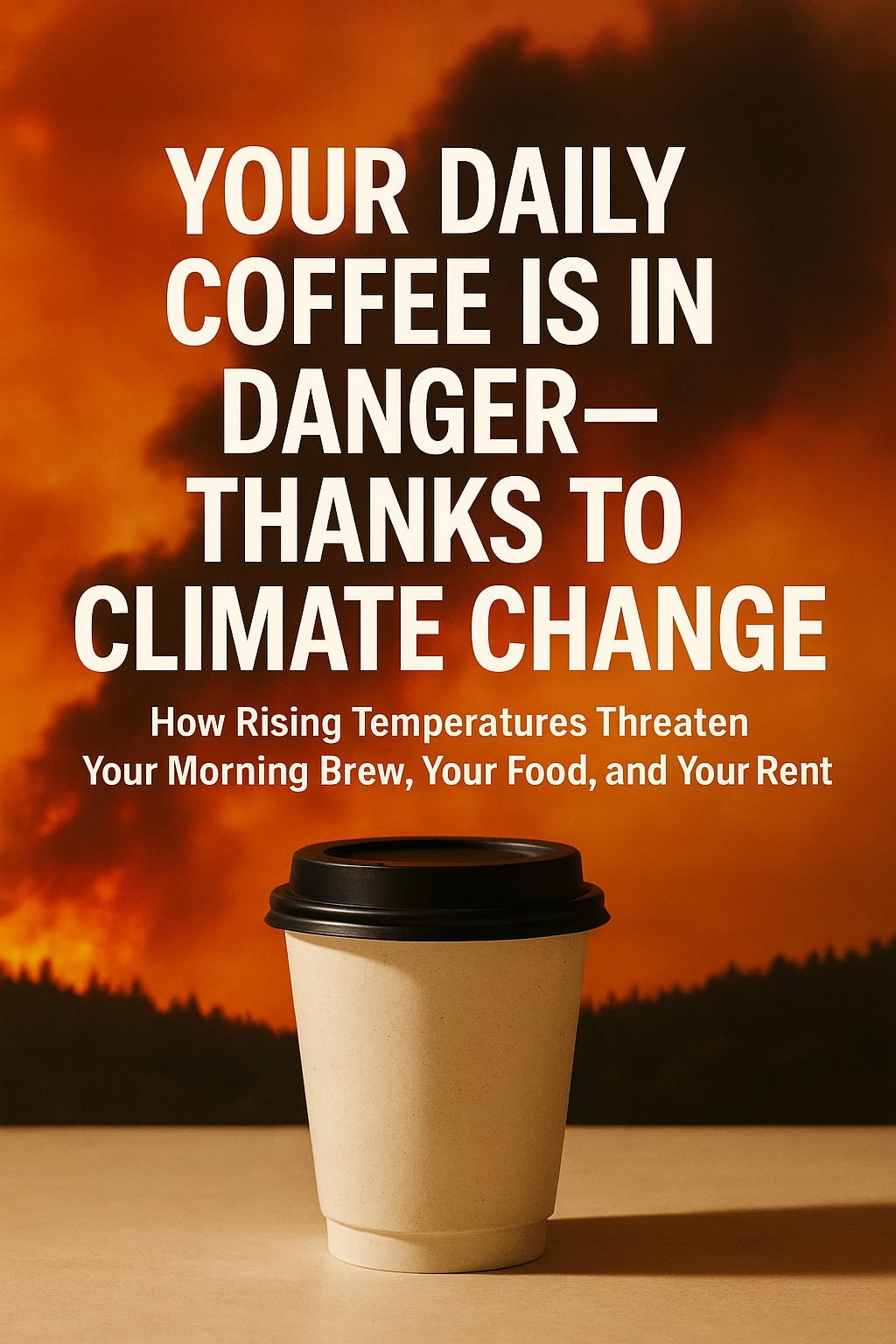
Climate Change in Our Daily Lives: The Hidden Costs We Don’t Notice
When people hear the phrase “climate change,” the mind usually jumps to melting glaciers, rising sea levels, and polar bears stranded on shrinking ice caps. These images are powerful, but they can also feel distant. For many of us, climate change seems like something happening out there—in forests, oceans, and faraway countries. The truth is far more personal. Climate change has already moved into our kitchens, our grocery carts, and even our wallets. It’s shaping everyday life in ways we might not immediately notice, but the effects are undeniable once we start paying attention.
The Price of Your Morning Coffee
Let’s start with something simple: coffee. A warm cup of coffee is part of countless morning routines. But few people realize how climate change is making coffee more expensive and harder to produce. Rising global temperatures and unpredictable rainfall are damaging coffee crops, especially in regions like Brazil, Ethiopia, and Colombia. The beans that survive are often of lower quality, and farmers face shrinking harvests. This chain reaction drives up prices at your local café. That $5 latte isn’t just about inflation—it’s also a climate story.
Groceries That Tell a Bigger Story
Walk into a grocery store, and you’ll see another subtle impact. Fruits, vegetables, and grains are all sensitive to climate conditions. Extreme weather events—heat waves, floods, droughts—are disrupting harvests worldwide. That means shortages, higher prices, and even changes in flavor and quality. For example, wheat yields have been hit hard in places like India, directly affecting the cost of bread and pasta. Even chocolate and wine, beloved indulgences, are becoming more vulnerable. Every grocery run now carries traces of a warming planet.
The Hidden Link to Energy Bills
It’s not just food. Climate change is quietly showing up in our energy bills, too. Hotter summers mean more people blasting air conditioning. Colder winters in some regions mean heavier heating demands. Energy companies often struggle to keep up, especially when extreme weather damages infrastructure. That strain trickles down to you in the form of higher electricity bills. In a sense, every time you glance at your monthly utility charges, you’re seeing a small receipt from climate change.
Housing, Insurance, and the New Risks of Everyday Life
Homes aren’t immune either. More frequent floods, wildfires, and hurricanes are pushing up insurance rates. In some areas, insurers are outright refusing to cover properties at risk of climate disasters. For homeowners, this isn’t an abstract concern—it’s a financial crisis. Renters aren’t safe from it either, as landlords pass higher costs down the line. Suddenly, climate change isn’t just an environmental issue. It’s a housing and affordability issue, directly shaping where and how we live.
Climate Stress on Mental Health
The effects go beyond the physical and financial. Psychologists are documenting what they call “eco-anxiety”—the stress, worry, and even grief people feel about the planet’s uncertain future. For younger generations in particular, climate change feels like a looming shadow. It affects decisions about family planning, careers, and where to build a life. Even if you don’t feel the heat directly, the psychological impact is becoming part of daily life.
Small Choices, Big Ripple Effects
Now, here’s the twist: while climate change influences us, we also influence it every day through small choices. The type of transportation we use, the food we eat, the products we buy—all of it adds up. For example, choosing local produce can reduce the carbon emissions tied to transportation. Using public transit instead of driving alone cuts back on fuel emissions. No single choice fixes the problem, but collectively, they create ripples. These ripples matter.
The Importance of Awareness
The danger of thinking climate change is “somewhere else” is that it delays action. Once we see how it touches us personally—our coffee, our bills, our homes—it becomes harder to ignore. Awareness is the first step toward resilience. Communities that recognize these connections can push for sustainable energy, support farmers adapting to new conditions, and demand policies that protect both people and the planet.
Building Hope, Not Just Fear
The story of climate change in daily life doesn’t have to be one of doom. It’s also about innovation, adaptation, and resilience. Cities are experimenting with green roofs to cool urban areas. Farmers are testing drought-resistant crops. Companies are developing cleaner technologies. Ordinary people are forming communities around sustainable living, from zero-waste groups to climate advocacy organizations. These actions prove that change is possible—and that hope is as real as the challenges.
Final Thoughts
Climate change is no longer a distant threat waiting in the future. It’s woven into the fabric of our daily routines, influencing what we eat, how we live, and even how we feel. By noticing the hidden costs—whether in a cup of coffee or an electricity bill—we begin to understand the urgency. And once we understand, we can act. Because while climate change is reshaping our daily lives, our daily choices still have the power to reshape the future.
About the Creator
Amanullah
✨ “I share mysteries 🔍, stories 📖, and the wonders of the modern world 🌍 — all in a way that keeps you hooked!”
Image-to-text technology, also known as Optical Character
Image-to-text technology, also known as Optical Character Recognition (OCR), has transformed the way we interact with visual information. It allows machines to extract text from images, enabling various applications across multiple industries. From digitizing printed documents to reading text from scanned images, OCR plays a vital role in making printed content accessible, editable, and searchable. The need for such technology has grown exponentially with the increasing reliance on digital data and the rapid shift from physical to digital content in nearly all sectors of life. As the digital world continues to expand, image-to-text technology has paved the way for more seamless workflows, enabling businesses and individuals alike to save time, effort, and resources.
By Alexander Jackson7 days ago in Education
My New Book is Finally Here
My poetry collection Beautiful and Brutal Things is done. It's actually done and finally published over 270 pages. Over a year of my life went into this book. More than a year, really. Long days at my computer, sometimes seven days a week because I couldn't stop even when I probably should have. Then two months of editing that felt harder than the writing itself. But it's finished, and I'm still standing, and the book is real.
By Tim Carmichaela day ago in BookClub


Comments (1)
"This is such an eye-opening piece! 🌍☕ I never thought about how something as simple as my morning coffee or grocery bill is linked to climate change. Thank you for breaking it down in such a relatable way — definitely makes me rethink the small choices I make every day."