
The Universal Declaration of Human Rights
A Blueprint for Protecting and Promoting Human Dignity and Freedom Worldwide
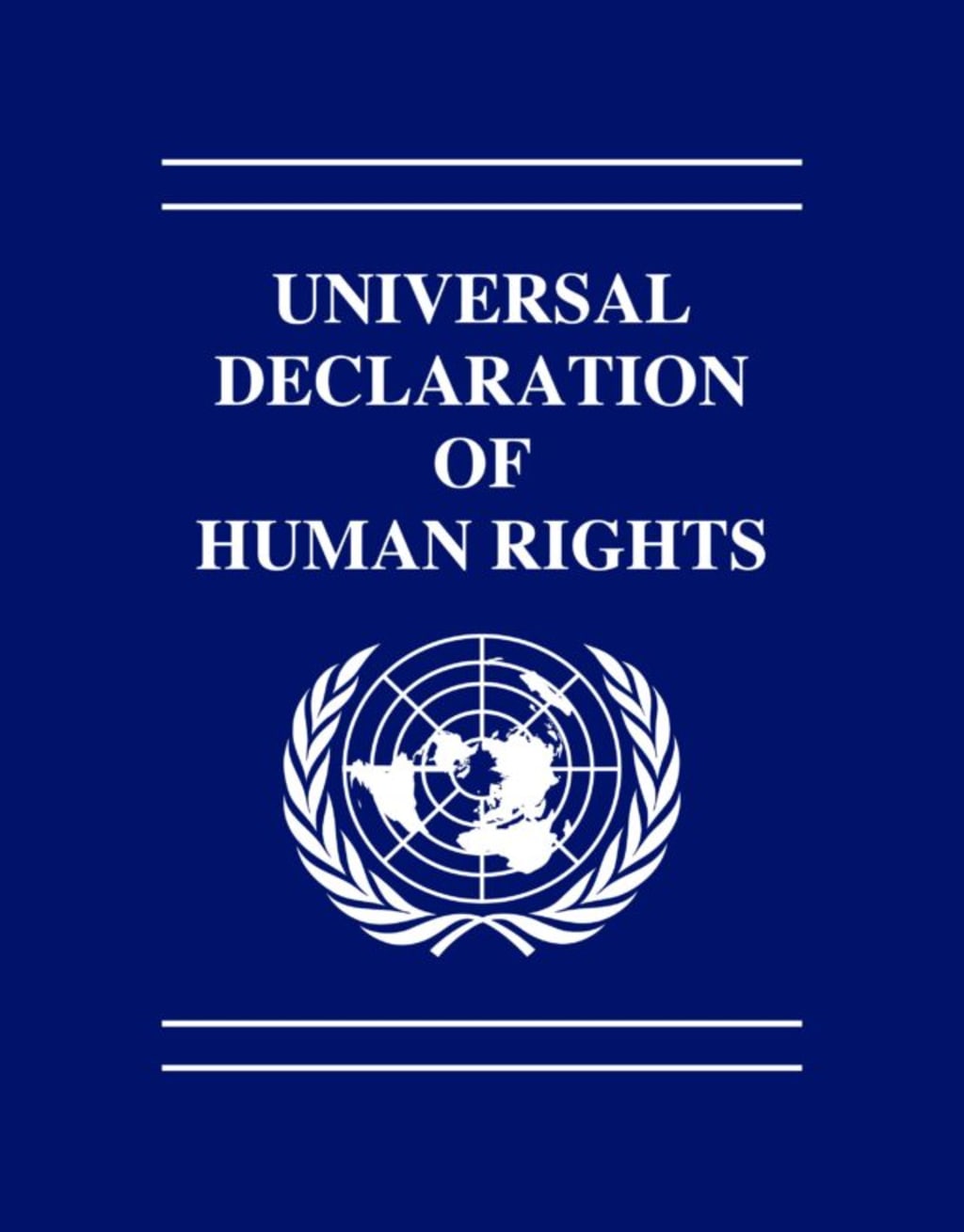
The Universal Declaration of Human Rights is a landmark document in the history of human rights. Adopted by the United Nations General Assembly on December 10, 1948, the Declaration sets out a universal standard of human rights to which all people are entitled, regardless of race, color, religion, sex, language, political or other opinion, national or social origin, property, birth or other status.
The Declaration consists of 30 articles which outline the fundamental rights and freedoms to which all human beings are entitled. These rights are grouped into two categories: civil and political rights, and economic, social, and cultural rights.
Civil and political rights include the right to life, liberty, and security of person; freedom from torture and slavery; freedom of thought, conscience, and religion; freedom of expression; the right to participate in government; and the right to a fair trial.
Economic, social, and cultural rights include the right to work; the right to education; the right to form and join trade unions; the right to an adequate standard of living; the right to participate in cultural life; and the right to social security.
The Declaration also recognizes that these rights are interdependent and indivisible, and that the realization of one right is essential for the realization of others. It further states that these rights are inherent to all human beings, and cannot be taken away or denied by any government or individual.
The Universal Declaration of Human Rights has been widely recognized as a milestone in the development of human rights. It has served as a model for numerous human rights treaties and declarations, and has been incorporated into the constitutions of many countries.
The Declaration has also had a significant impact on international law. It has been used by courts and tribunals around the world as a source of human rights law, and has been instrumental in the development of international human rights instruments, such as the International Covenant on Civil and Political Rights and the International Covenant on Economic, Social and Cultural Rights.
Despite the widespread recognition of the Universal Declaration of Human Rights, the realization of its provisions remains an ongoing challenge. Human rights abuses continue to occur in many parts of the world, and many people are still denied their basic rights and freedoms.
However, the Declaration remains an important symbol of hope and a powerful tool for promoting and protecting human rights. It serves as a reminder that all people are entitled to a life of dignity and respect, and that it is the responsibility of governments, individuals, and the international community to work towards the full realization of these rights for all.
The Universal Declaration of Human Rights is a non-binding document, meaning that it does not have the force of law. However, it serves as a powerful symbol of the international community's commitment to human rights and dignity, and has been widely adopted by governments and organizations around the world. Many countries have incorporated the principles of the Declaration into their national laws and constitutions, and the document has been used as the basis for many international treaties and human rights conventions.
The Universal Declaration of Human Rights remains a vital and relevant document today, more than 70 years after its adoption. It serves as a reminder of the importance of protecting and promoting human rights, and serves as a call to action for governments, organizations, and individuals to work together to ensure that every individual can enjoy their rights and freedoms in practice. The Declaration is an enduring expression of the universal values of freedom, justice, and equality, and continues to inspire and guide the global human rights movement.
In conclusion, the Universal Declaration of Human Rights is a vital and enduring document that continues to play a crucial role in shaping the world’s understanding of human rights. It sets out a universal standard for the treatment of all human beings, and remains a powerful tool for promoting and protecting human rights today.
About the Creator
Keep reading
More stories from ARAVINDHAN S and writers in Education and other communities.
Tom's Hardware
Tom's Hardware: A One-Stop Destination for All Your Computing Needs The world of computer hardware is always evolving, with new products and technologies being introduced on a regular basis. Keeping up with the latest advancements can be a challenge, but for those who are passionate about technology, there's no better resource than Tom's Hardware.
By ARAVINDHAN S3 years ago in Education
Beyond the Resume: How to Assess Startup Teams When Backgrounds Fall Short
Investors and partners often begin evaluating startup teams by scanning resumes, titles, and past employers. While experience offers helpful signals, it rarely tells the full story in early-stage ventures. Startups operate in uncertain environments where adaptability and judgment matter as much as credentials. Therefore, relying solely on experience can lead to missed opportunities or misplaced confidence.
By Rushi Manche4 days ago in Education
Best Laptop for Digital Art
In the vibrant world of digital art, the right laptop can be your greatest creative ally. Whether you're sketching breathtaking illustrations, designing compelling graphics, or animating entire worlds, you need more than just a machine you need a digital canvas that brings your ideas to life.
By Home Care Ranks5 days ago in Education
Affection and Healing for Yourself
During the night of the last quarter moon, I gathered my ritual supplies. I carefully handled the chunk of black tourmaline that would protect me from your overall negative and narcissistic energy. I carefully walked the house with my stick of selenite in hand, asking the universe to cleanse our working space.
By Alisha Wilkins ✒️🦋🖋️4 days ago in Fiction




Comments
There are no comments for this story
Be the first to respond and start the conversation.