
The Unbelievable Survival Story Of Charles Joughin
Charles Joughin survived hours in frigid water, thanks to alcohol

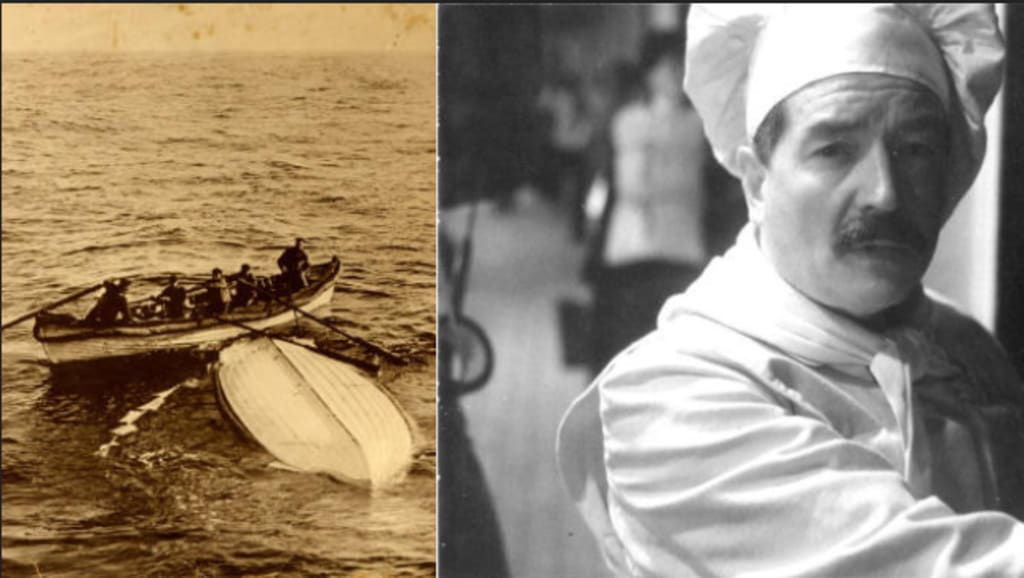
Charles John Joughin was born on August 3, 1878. He was a British-American and the head baker of the RMS Titanic. He became famous for having survived in the cold water for an unusually long period of time before being rescued with virtually no injuries.
Charles Joughin may have been the last person on the Titanic before it sank on April 15, 1912, in the cold waters of the North Atlantic Ocean. Still, the ship's chief baker was able to stay alive for hours until he found a lifeboat, even though it was very cold.
The Beginning
At 23:40 on April 14, the ship hit an iceberg while Joughin was off duty and in his bunk.
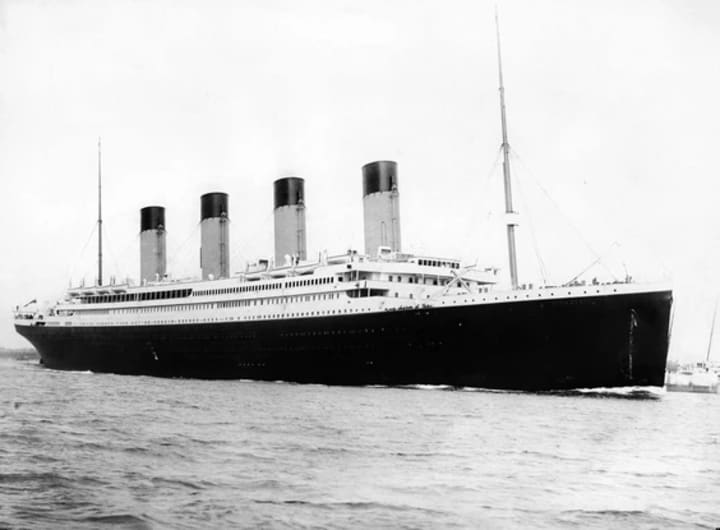
When the crash woke Joughlin up, he found the ship's crew in disarray and without a leader. He didn't freak out when he realized what had happened. Instead, he took charge of the situation right away.
The first thing he did was tell the bakers he was in charge of to bring up more than 50 loaves of bread so that everyone in the lifeboats would have food until they were rescued.
Even though most people were panicking because cold water was coming into the ship, Charles Joughin went back to his room and had a drink of liquor. After he felt better, he made his way to the lifeboat that had been assigned to him.
But instead of getting in himself, he helped a group of men urge women and children into the boats, which probably saved their lives. At this point, most of the people in the lifeboats had left the sinking ship.
After giving up his seat, the baker went back to his room for another drink, and it didn't seem to bother him that water was filling the cabin.

Then he made his way to the top of the ship and started tossing deck chairs overboard, hoping that people who hadn't made it into the lifeboats could hold on to them and stay alive.
After Joughin went below deck for one last time to get a glass of water from the pantry, he heard a "crash like something had buckled," which was the Titanic breaking in half from the pressure.
Even though this must have been a scary moment for everyone on the ship, Joughin later said, "It wasn't like I was shocked or anything."
Joughin went straight to the back of the ship and held on to the railing there. As the ship went down for the last time, he tightened his life jacket, moved some things out of his pockets, and stood still.
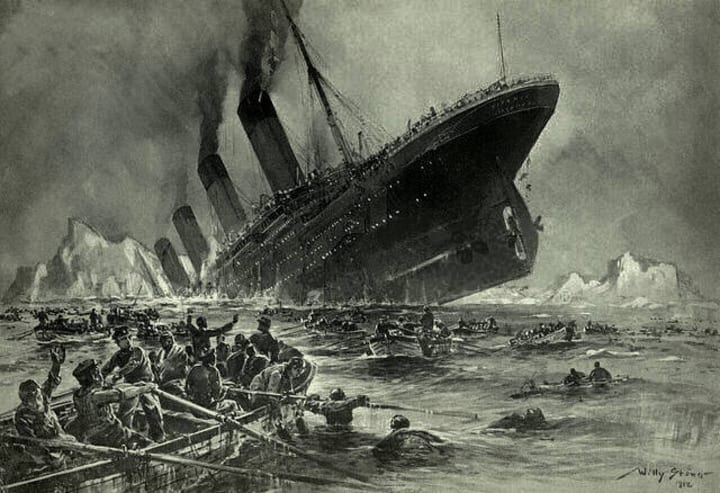
Around 2:20, the other half of the Titanic went vertical and fell into the water. Joughin was one of the last people, if not the last person, to get into the cold Atlantic water.
Unbelievable Survival
Most people felt cold shock as soon as they stepped into the -2°C (28°F) water.
In fact, this sudden shock and the panic that followed were enough to make many people drown in a matter of minutes or lose so much body heat that they wouldn't last long.
But Joughin didn't have this problem. The strong swimmer got into the water in a calm way that was typical of him. "I was just paddling and keeping my head above water," he later said.
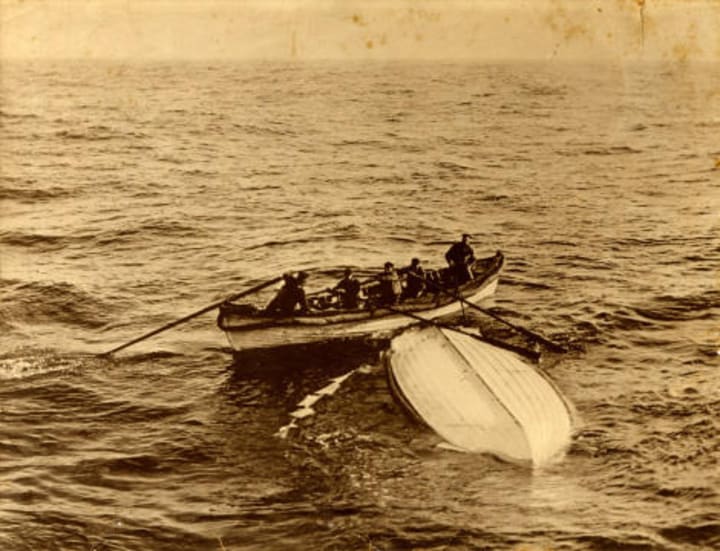
In the freezing dark, Joughin was able to stay afloat for an amazing two and a half hours until he was rescued.
How Charles Joughin Survived The Freezing Water
It was almost impossible to stay alive from a biological point of view. And, according to the British Titanic inquiry, it was because the 33-year-old Englishman was smart enough to get drunk during the worst shipwreck in history.
Vasodilation, which is when warm blood rushes to the surface of the skin; alcohol causes vasodilation and hence helps to fight hypothermia.
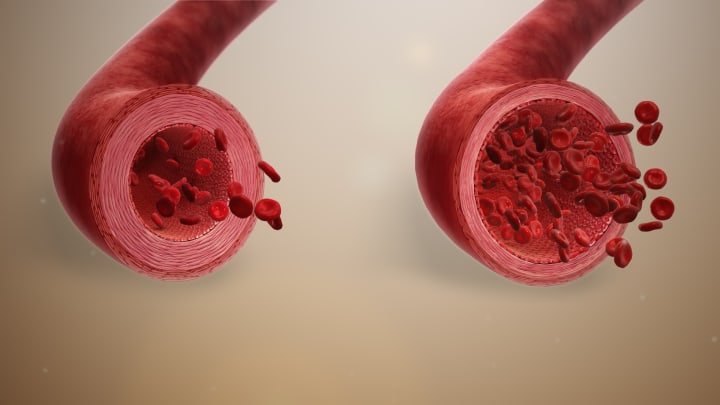
The smooth muscles around your blood vessels relax when you drink alcohol. The name for this is vasodilation. After a few drinks, your face turns red and your heart beats faster because of vasodilation.
In a survival situation, when all that warm blood is taken away from the organs that keep you alive, you are more likely to get cold.
Additionally, the relaxing effects of alcohol could give people an uncanny ability to deal with trauma.
About the Creator
Rare Stories
Our goal is to give you stories that will have you hooked.
This is an extension of the Quora space: Rare Stories
X(formerly Twitter): Scarce Stories
Writers:
....xoxo
Keep reading
More stories from Rare Stories and writers in Education and other communities.
Speak and Be Heard: A Beginner’s Guide to Becoming a Podcast Host and Growing Your Audience
Becoming a podcast host is an exciting way to share your ideas, inspire others, and build a strong community. Whether you want to teach, entertain, or have great conversations, podcasting gives you a voice that can reach people around the world. But starting a podcast and growing an audience takes more than just a microphone. It requires planning, patience, and a real connection with your listeners. In this guide, you'll learn how to become a podcast host and grow your audience step by step.
By Spencer Hakimian4 days ago in Education



Comments
There are no comments for this story
Be the first to respond and start the conversation.