
The Ultimate Keto Meal Plan
Best Way To Lose Weight In 2023
The Keto Diet: A Comprehensive Guide
The ketogenic diet, also known as the keto diet, is a low-carb, high-fat diet that has gained popularity in recent years for its potential health benefits, including weight loss, improved energy levels, and better mental clarity. In this article, we'll take a closer look at the keto diet, including what it is, how it works, and what you can eat on the diet.
What is the ketogenic diet?
The ketogenic diet is a low-carb, high-fat diet that restricts the consumption of carbohydrates and encourages the consumption of healthy fats. When you restrict your carbohydrate intake, your body enters a metabolic state called ketosis, where it starts to burn fat for energy instead of glucose. This process results in the production of ketones, which are by-products of fat metabolism.
How does the ketogenic diet work?
The ketogenic diet works by forcing the body to enter a state of ketosis. This is achieved by drastically reducing your carbohydrate intake and increasing your fat intake. When you restrict your carbohydrate intake, your body runs out of glucose to use for energy and is forced to start using stored fat for energy. This results in the production of ketones, which are used by the body for energy.
What can you eat on the ketogenic diet?
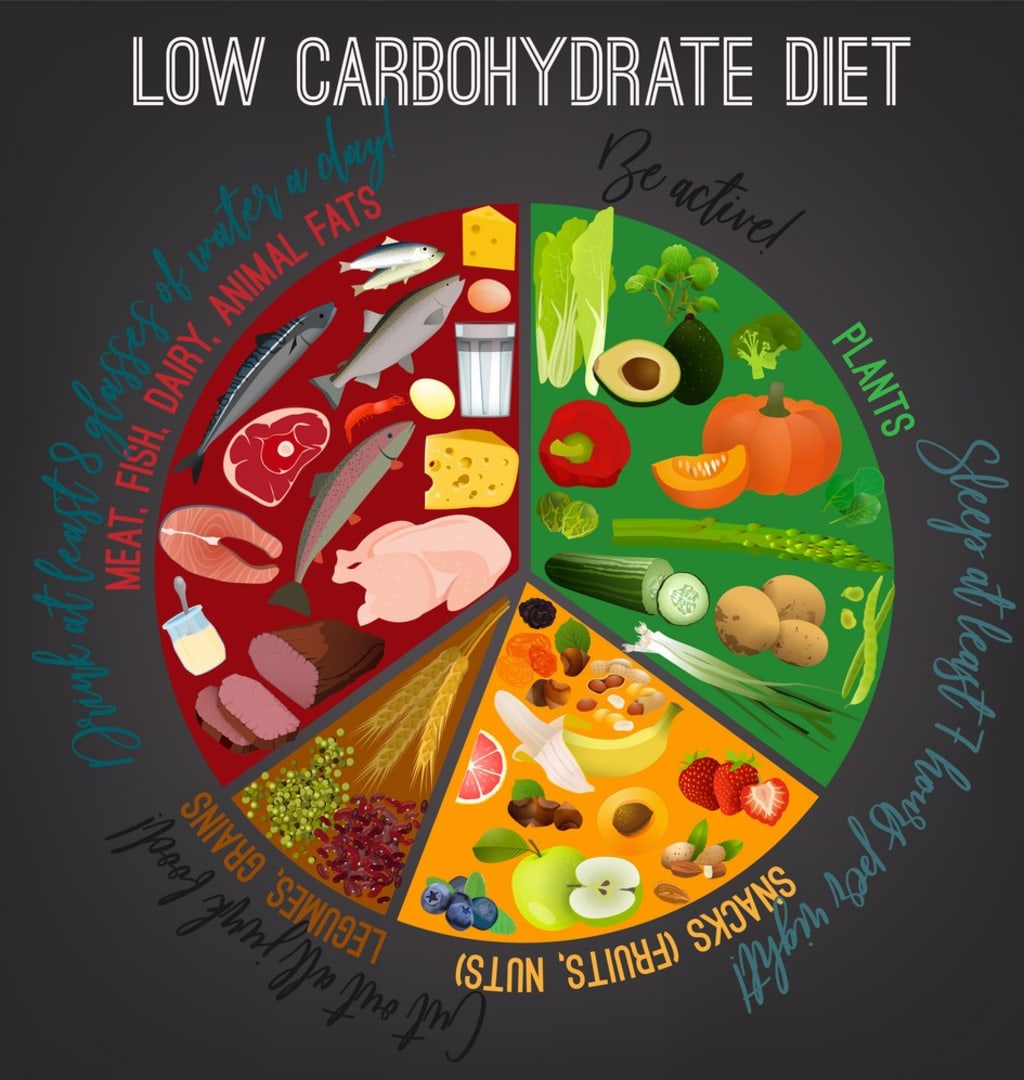
On the ketogenic diet, you'll want to focus on eating whole, nutrient-dense foods that are high in healthy fats, moderate in protein, and low in carbohydrates. Some of the foods that you can eat on the keto diet include:
Meat: beef, pork, chicken, turkey, and other meats are great sources of protein and healthy fats.
Fatty fish: salmon, mackerel, sardines, and other fatty fish are rich in omega-3 fatty acids and other essential nutrients.
Eggs: eggs are a great source of protein and healthy fats, and can be cooked in a variety of ways.
Low-carb vegetables: leafy greens, broccoli, cauliflower, zucchini, and other low-carb vegetables are a great source of fiber and other essential nutrients.
Nuts and seeds: almonds, macadamia nuts, sunflower seeds, and other nuts and seeds are rich in healthy fats and other essential nutrients.
Dairy products: cheese, cream, butter, and other dairy products are high in healthy fats and can be used in a variety of recipes.
Oils: olive oil, coconut oil, and other healthy oils are great sources of healthy fats and can be used for cooking and in dressings.
What foods should you avoid on the ketogenic diet?
On the ketogenic diet, you'll want to avoid foods that are high in carbohydrates, including:
Sugary foods: candy, soda, fruit juice, and other sugary foods are high in carbohydrates and should be avoided.
Grains: bread, pasta, rice, and other grains are high in carbohydrates and should be avoided.
Starchy vegetables: potatoes, corn, and other starchy vegetables are high in carbohydrates and should be limited.
Processed foods: processed snacks, cookies, crackers, and other processed foods are high in carbohydrates and should be avoided.
Tips for success on the ketogenic diet
Plan your meals: planning your meals in advance can help you stay on track and avoid impulse eating.
Stay hydrated: drinking plenty of water is important to stay hydrated and help flush out ketones.
Get enough sleep: getting enough sleep is important for overall
About the Creator
Keep reading
More stories from Doraemon 2 and writers in Education and other communities.
The Best Way To Make Money Online
Earn money online: A comprehensive guide The internet has revolutionized the way we live our lives and has opened up new opportunities for individuals to earn a living. From the comfort of your home, you can now start your own business, sell products and services, or even work as a freelancer. The internet has made it possible for people from all walks of life to supplement their income or even make a full-time living online. In this article, we will look at various ways in which you can earn money online.
By Doraemon 23 years ago in Motivation
Smart Steps Today for a Comfortable Tomorrow
Planning for retirement might feel overwhelming, but it does not have to be. A little preparation now can make your future feel far less uncertain. The most important thing is to start thinking ahead and taking action while you still have time. Key retirement planning tips for a secure future are easier to follow than many people believe. With steady decisions and a clear goal, you can build a future that is both safe and fulfilling.
By Michael Petruska4 days ago in Education
The Digital Blueprint Inside France USD 781.69 Million Industrial PLC Revolution (2025-2033)
In 2026, the factory floors and logistics hubs of France are no longer defined by the heavy clank of manual machinery. Instead, they are defined by a quiet, precise digital pulse. At the heart of this transformation lies a technology that has evolved from a simple relay replacement into the "central nervous system" of modern industry: the Programmable Logic Controller (PLC).
By Neeraj kumar3 days ago in Education
Writing About Writing: The Rainbow Trap
The good thing about living in modern times is that LGBTQ representation in media is increasing. Not just in niche and Independant media, either, but also in mainstream media. Books, movies, TV shows, comics... they're finally catching on that LGBTQ+ people form a significant part of their audience, and deserve to see themselves on screen and in fiction, not just as victims in documentaries and true crime shows.
By Natasja Rose5 days ago in Writers




Comments
There are no comments for this story
Be the first to respond and start the conversation.