
The Ultimate Guide to HRMS Systems: Transforming Human Resource Management in the Digital Age
HRMS System

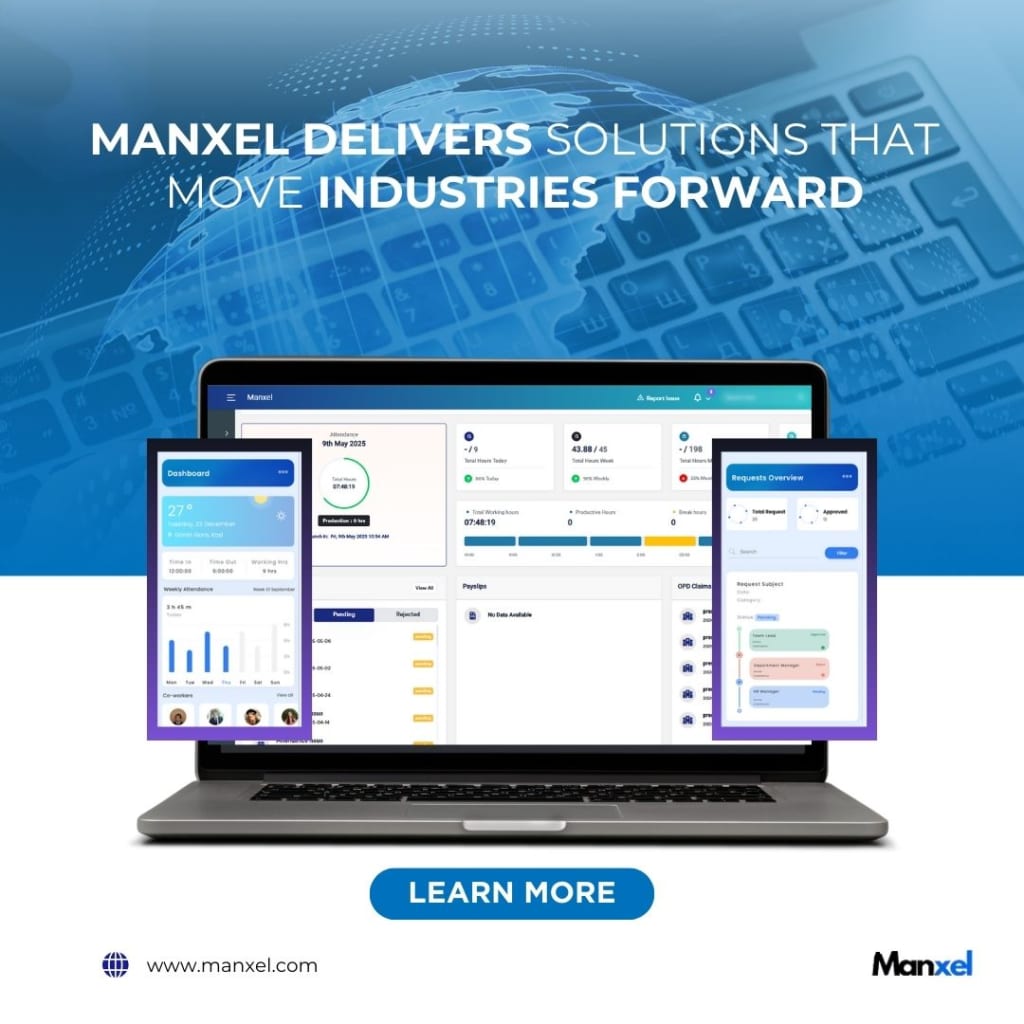
What Is an HRMS System and Why It Matters Today
An HRMS system (Human Resource Management System) is a software platform designed to streamline, automate, and optimize the full range of HR processes in an organization. It serves as a centralized hub for managing employee data, recruitment, payroll, benefits, training, and performance.
In today’s fast-paced, digital-first work culture, manual HR processes are no longer sustainable. Organizations are under increasing pressure to enhance efficiency, reduce errors, improve employee engagement, and ensure compliance with labor laws. That’s where an HRMS system becomes essential—not just as a tool, but as a strategic enabler of modern business operations.
Core Functions of an HRMS System:
Employee Information Management: Centralized database for personal, professional, and performance data.
Recruitment & Onboarding: Automates job postings, applicant tracking, and new hire paperwork.
Payroll & Compensation: Calculates salaries, taxes, and benefits accurately and on time.
Time & Attendance: Tracks hours worked, leaves, holidays, and schedules.
Training & Development: Assigns learning paths and tracks completion.
Performance Management: Supports goal setting, feedback, and appraisals.
Compliance Monitoring: Ensures adherence to labor laws and safety regulations.
Whether you're a small business or a multinational enterprise, implementing an HRMS system helps reduce administrative overhead, increase transparency, and provide a better experience for employees and HR professionals alike.
2. Key Benefits of Using an HRMS System in Your Organization
An HRMS system is more than just a digital filing cabinet—it’s a powerful platform that transforms how businesses attract, manage, and retain talent.
A. Centralized Data & Reduced Errors
By having all HR data stored in one place, businesses can eliminate duplicate records, reduce manual errors, and maintain accurate employee information.
B. Automation of Routine Tasks
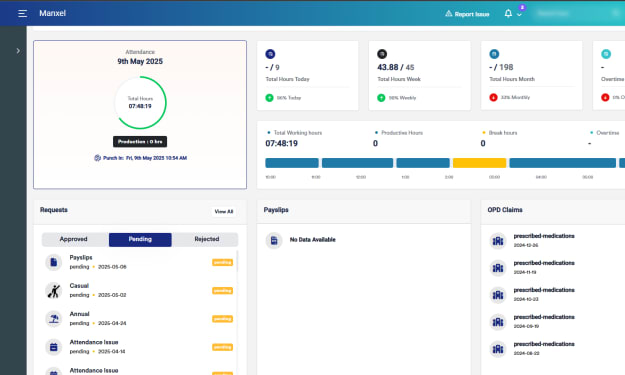
From generating payslips to approving time-off requests, the HRMS system automates repetitive tasks. This saves valuable hours for HR teams and speeds up decision-making processes.
C. Enhanced Employee Self-Service
Most modern HRMS systems offer employee portals where team members can update information, apply for leave, view payslips, and track their goals. This empowers employees and reduces the dependency on HR staff for every query.
D. Scalability for Growing Businesses
As companies expand, their workforce becomes more complex. A robust HRMS system can scale with your organization, adapting to new locations, departments, and policies without disrupting workflows.
E. Real-Time Insights and Reporting
With built-in analytics, HRMS platforms provide real-time dashboards that help leaders identify trends, forecast staffing needs, monitor turnover rates, and make data-driven decisions.
3. Choosing the Right HRMS System: Key Features to Look For
Not all HRMS systems are created equal. The right platform should meet your business needs today while being flexible enough to support future growth. Here are the most important features to evaluate:
A. Cloud-Based Access
Modern HRMS platforms are cloud-based, enabling remote access for HR teams and employees alike. This is crucial for companies with hybrid or fully remote teams.
B. Customizable Workflows
Your HRMS system should adapt to your organization’s policies—not the other way around. Look for tools that allow easy customization of forms, approval chains, and automation rules.
C. Integration Capabilities
A great HRMS system integrates seamlessly with accounting software, time-tracking tools, CRM platforms, and communication apps like Slack or Teams. This interconnectivity improves data accuracy and streamlines operations.
D. Data Security and Compliance
With sensitive employee data involved, the system must be equipped with encryption, role-based access controls, and regular compliance updates to align with laws like GDPR, HIPAA, and CCPA.
E. Mobile Accessibility
Employees should be able to access HR services on-the-go. Mobile-friendly HRMS systems allow for submitting leave, clocking in, or checking benefits from any device.
Conclusion: Why Every Modern Business Needs an HRMS System
The workplace is evolving rapidly—and so must your HR practices. An HRMS system enables organizations to meet modern demands by digitizing and optimizing human resource functions. Whether it’s hiring top talent, retaining skilled employees, or staying compliant with laws, an HRMS is no longer optional—it’s essential.
For startups, SMEs, and large enterprises alike, the investment in an HRMS system pays off in:
Efficiency
Accuracy
Employee satisfaction
Strategic decision-making
If you're still juggling spreadsheets, emails, and paper files, it's time to evolve. The future of work is digital, and the HRMS system is your gateway to building a smarter, more agile workforce.
About the Creator
Ejaz Hussain
Email marketing | SEO |Blog
Keep reading
More stories from Ejaz Hussain and writers in Education and other communities.
Beginner Investing Blueprint: A Simple Path Toward Wealth and Financial Freedom
Investing is one of the most powerful ways to build wealth and reach financial freedom. Yet many people delay investing because it feels complex or risky. The truth is that investing does not need to be complicated. A clear beginner investing blueprint can help anyone start building a strong financial future.
By Millicent Prince7 days ago in Education
A Transparent Look at Vocal Challenges and Top Stories
Almost three years ago, we shared a resource article that served as a place for people to suggest new challenge prompts. We thought it would be a good idea to refresh that thread, and take the opportunity to answer a few common questions about top stories, how challenges are judged and how submissions are reviewed.
By Vocal Curation Team4 days ago in Resources


Comments
There are no comments for this story
Be the first to respond and start the conversation.