
The Rise of Predictive HRM: Turning Data Into Foresight
HRM System

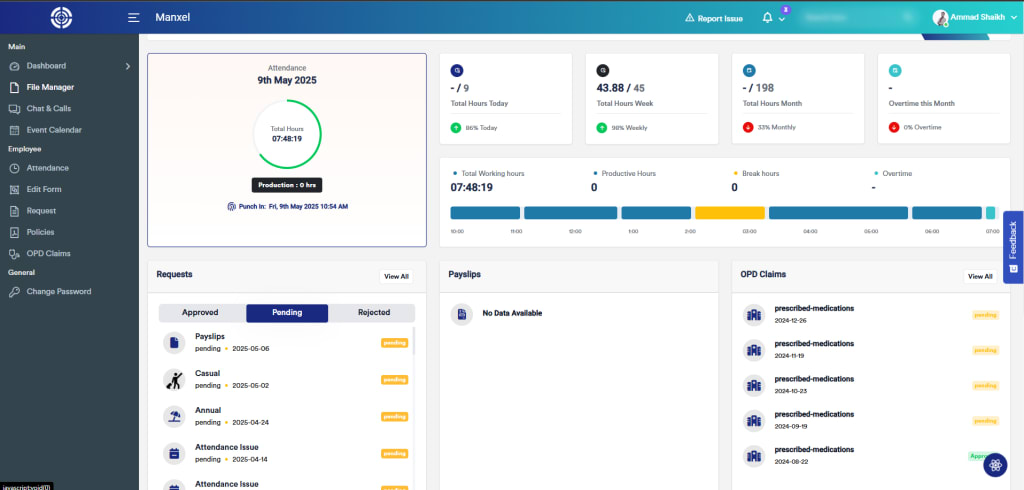
We’ve talked about real-time data, but what if your HR system could predict the future? Predictive analytics in HRM is becoming a defining trend—helping organizations stay proactive rather than reactive.
Examples of Predictive HRM:
Attrition Forecasting: The system detects patterns in absenteeism, performance, and sentiment to flag employees at risk of leaving.
Hiring Success Scores: Predict which applicants are most likely to succeed based on historic hiring data.
Training ROI: Estimate how skill development today will influence promotions and productivity 6–12 months down the line.
Workforce Planning: Anticipate future talent gaps based on retirement trends, business growth, or internal transfers.
This level of foresight enables smarter budgeting, better engagement strategies, and future-ready leadership.
Implementation Blueprint: How to Roll Out an HRM System Successfully
Even the best HRM software can fail if implemented poorly. Companies that succeed typically follow a well-structured plan.
5-Phase HRM Rollout Strategy:
Discovery & Assessment
Evaluate current HR workflows, pain points, and goals.
Interview stakeholders across departments.
Vendor Selection
Research options based on your checklist (covered earlier).
Run product demos and negotiate pricing and support.
Data Migration & Customization
Clean and migrate existing HR data into the new system.
Customize fields, workflows, and user roles.
Training & Testing
Provide hands-on training for HR teams, managers, and employees.
Run pilots or soft launches with one department.
Go Live & Monitor
Fully launch and monitor KPIs (usage rate, errors, time saved).
Collect feedback and iterate on workflows.
This strategic approach ensures your HRM system doesn’t just work—it delivers long-term value.
Compliance and Ethics in HRM Systems: What You Need to Know
HRM systems handle sensitive data: health information, salary, personal documents, and even behavior analytics. As such, organizations must ensure they’re using this data responsibly, securely, and legally.
Top Compliance Standards:
GDPR (EU) – Strict guidelines on data privacy and consent.
CCPA (California) – Employee data transparency and access rights.
HIPAA (USA) – For organizations handling healthcare-related employee data.
ISO 27001/SOC 2 – International standards for data security.
Ethical Use Tips:
Always obtain consent for data collection.
Avoid using analytics for invasive surveillance (e.g., webcam monitoring).
Be transparent about how data will be used, stored, and deleted.
Use bias-checking algorithms in recruitment AI tools to prevent discrimination.
A trusted HRM system is not just powerful—it’s ethical by design.
HRM and DEI: Driving Diversity, Equity & Inclusion Through Tech
Organizations committed to DEI (Diversity, Equity, and Inclusion) can leverage HRM tools to track progress, ensure fair practices, and create accountability.
DEI Features in HRM Systems:
Diversity dashboards: View breakdowns of gender, ethnicity, age, etc., across roles and departments.
Bias detection: AI systems that flag biased language in job descriptions or hiring processes.
Equity analysis: Spot pay gaps and promotion disparities between groups.
Inclusion surveys: Gather anonymous feedback on employee belonging and representation.
By embedding DEI metrics directly into HR operations, organizations move from statements to systems—where inclusion becomes measurable, trackable, and improvable.
The Changing Role of HR Leaders in the Digital Age
HR isn’t just about people anymore—it’s about technology, data, psychology, culture, and innovation. HR leaders in the age of HRM must wear many hats:
Data Analyst – To understand workforce trends and advise leadership.
Technologist – To lead HR digitization and automation.
Culture Architect – To align systems with purpose and values.
Strategic Advisor – To drive business outcomes through talent strategy.
Employee Advocate – To protect employee rights and amplify their voices.
In many companies, the Chief People Officer (CPO) now has a seat at the table next to the CEO—because employee success and business success are now inseparable.
Measuring the Success of Your HRM System
Once your HRM system is live, how do you know it’s working? Start with key performance indicators (KPIs) tied to your original goals.
Sample KPIs:
System Adoption Rate (goal: 90%+ within 3 months)
Time Saved on Admin Tasks (track via time logs)
Employee Satisfaction Scores (especially post-implementation)
Reduction in Manual Errors
Faster Time-to-Hire
Improved Retention or Internal Mobility Rates
Conduct quarterly reviews and gather feedback from users to ensure your HRM platform stays aligned with both operational needs and employee experience.
In Summary: The Digital Backbone of the Modern Workplace
The workplace is evolving at warp speed—and human resources can’t afford to lag behind. HRM systems are no longer optional add-ons; they are the digital backbone of the modern workplace.
They help companies:
Scale sustainably
Lead inclusively
Operate transparently
Develop talent proactively
And retain their most valuable asset: people
From small startups to global enterprises, from local teams to remote digital nomads, an HRM system is the one tool that connects it all.
The future of work is already here. And the companies thriving in this future all have one thing in common: a smart, secure, and strategic HRM system at their core.
About the Creator
Ejaz Hussain
Email marketing | SEO |Blog
Keep reading
More stories from Ejaz Hussain and writers in Education and other communities.
Humanizing HR Tech: The Balance Between Automation and Empathy
One of the most common concerns about HRM systems is that they might depersonalize the workplace. After all, replacing face-to-face interactions with digital forms and workflows can feel cold or transactional. But the best HRM systems don’t replace human interaction—they enhance it.
By Ejaz Hussain9 months ago in Education
Building Stronger Teams Through Diversity
Diversity in the workplace is more than a trend. It is a key part of building strong and creative teams. Companies today serve people from many cultures, backgrounds, and life experiences. Because of this, businesses need teams that reflect the world around them.
By Aaron Khieu7 days ago in Education
How Long the Sun Has Left: The Future Life and Death of Our Star Explained
Every day, the Sun rises and sets with remarkable consistency. It has illuminated Earth for billions of years, sustaining life and shaping the environment of our planet. Because the Sun appears stable and unchanging, it is easy to imagine that it will shine forever.
By shahkar jalal2 days ago in Education



Comments
There are no comments for this story
Be the first to respond and start the conversation.