
The Titans of Technology: Understanding the FAANG Companies
FAANG
FAANG is an acronym that refers to the five most popular and valuable technology companies in the United States: Facebook, Amazon, Apple, Netflix, and Google. These companies are known for their innovative products and services and have significant influence on the technology industry and the global economy as a whole. They are also known for their high stock prices, and they are considered to be some of the most valuable companies in the world. They are considered to be the leaders in technology and are known for their disruptive approach to business.
History and background of the FAANG companies :
Founding and early years of each company
1. Facebook: Created in 2004 by Mark Zuckerberg while he was a student at Harvard
2. Amazon: Founded in 1994 by Jeff Bezos as an online bookstore
3. Apple: Founded in 1976 by Steve Jobs, Steve Wozniak, and Ronald Wayne
4. Netflix: Founded in 1997 as a DVD-by-mail service
5. Google: Founded in 1998 by Larry Page and Sergey Brin while they were Ph.D. students at Stanford
Key milestones and major turning points in the companies' history
1. Facebook: Launched its first version of the website, "Thefacebook" in 2004, then later on its first mobile App in 2008
2. Amazon: Launched its first e-reader device, the Kindle in 2007, and later on, its first tablet in 2011
3. Apple: Launched the iPod in 2001, iPhone in 2007 and iPad in 2010
4. Netflix: Introduced its streaming service in 2007, and later on, started creating its own content in 2013
5. Google: Launched its first search engine in 1998, and later on, acquired YouTube in 2006
Products and services of the FAANG companies
Overview of the products and services offered by each company
1. Facebook: Social networking platform, Instagram, WhatsApp, Oculus VR, and Workplace.
2. Amazon: E-commerce platform, Amazon Web Services, Amazon Prime, Kindle e-readers and Fire tablets, and Alexa.
3. Apple: iPhone, iPad, Mac, Apple Watch, AirPods, iTunes, iCloud, and Apple Music. 4. Netflix: Streaming service for movies and TV shows, original content production, DVD-by-mail service
5. Google: Search engine, Google Maps, Google Drive, Google Docs, Gmail, YouTube, Google Assistant, and Google Home
Analysis of how these products and services have disrupted traditional business models
1. Facebook: Disrupted traditional advertising and communication models by enabling businesses to connect with customers in a more personalized way.
2. Amazon: Disrupted traditional retail by making online shopping more convenient and accessible.
3. Apple: Disrupted the music industry by introducing the iTunes store and later on the App store
4. Netflix: Disrupted the traditional TV and movie rental industry by introducing a subscription-based streaming service.
5. Google: Disrupted traditional search engines by introducing more sophisticated algorithms and personalized search results.
Discussion of how these products and services have impacted the users and the industry
1. Facebook: Has had a profound impact on how people connect and communicate with each other, and how businesses reach their target audiences.
2. Amazon: Has changed the way people shop and has had a significant impact on the retail industry.
3. Apple: Has had a significant impact on the mobile phone, tablet and personal computer industry.
4. Netflix: Has transformed the way people consume TV and movies, and has had a significant impact on the entertainment industry.
5. Google: Has had a significant impact on the way people access information and has been a major influence in shaping the Internet as we know it today
Impact of the FAANG companies on society and the economy
Discussion of how the companies' products and services have impacted society and the economy
1. Facebook: Has had a profound impact on how people connect and communicate with each other, and how businesses reach their target audiences. It has changed the way people consume news and information, and has had a significant impact on the advertising and media industries.
2. Amazon: Has changed the way people shop and has had a significant impact on the retail industry. The company's e-commerce platform and logistics network have revolutionized the way products are bought and sold.
3. Apple: Has had a significant impact on the mobile phone, tablet and personal computer industry. Its products and services have changed the way people interact with technology and consume media.
4. Netflix: Has transformed the way people consume TV and movies, and has had a significant impact on the entertainment industry. It has also changed the way content is produced, distributed and consumed.
5. Google: Has had a significant impact on the way people access information and has been a major influence in shaping the Internet as we know it today. Google's search engine and advertising platform have had a profound impact on the economy, creating new opportunities for businesses and entrepreneurs.
Analysis of the companies' impact on the job market, consumer behavior, and other aspects of daily life
1. Facebook: Has created jobs in the technology, advertising, and media industries and has changed the way people consume news and information.
2. Amazon: Has created jobs in the logistics, e-commerce, and delivery industries, and has changed the way people shop and consume goods.
3. Apple: Has created jobs in the technology, design, and retail industries and has changed the way people interact with technology and consume media.
4. Netflix: Has created jobs in the entertainment, production, and streaming industries and has changed the way people consume TV and movies.
5. Google: Has created jobs in the technology, advertising, and search industries and has changed the way people access information.
Exploring the companies' role in shaping the future of technology and business
1. Facebook: They continued investment in virtual reality, artificial intelligence, and other emerging technologies is likely to shape the future of communication and social interaction.
2. Amazon: They expanded into new markets, such as grocery and healthcare, and its investment in logistics and automation technologies is likely to shape the future of retail and e-commerce.
3. Apple: Apple continued investment in new technologies such as artificial intelligence, augmented reality, and autonomous systems is likely to shape the future of personal computing and mobile devices.
4. Netflix: The company's continued investment in original content and its global expansion is likely to shape the future of the entertainment industry.
5.Google: Continued investment in search, artificial intelligence, and other emerging technologies is likely to shape the future of how we access and process information.
Regulatory environment and future prospects
Discussion of the current regulatory environment and any potential implications for the FAANG companies
1. Facebook, Google, and Amazon have been facing increased scrutiny from regulators regarding their market dominance and potential anti-competitive practices.
2. Netflix and Apple have also been facing regulatory challenges related to their content and privacy policies.
Analysis of the companies' future prospects and growth areas
1. Facebook: Continued growth in its advertising business and expansion into new areas such as virtual reality, e-commerce, and video are potential growth areas.
2. Amazon: Continued expansion in the grocery and healthcare sectors, as well as continued growth in its advertising and cloud computing businesses are potential growth areas.
3. Apple: Continued growth in its services segment, such as Apple Music and the App Store, and expansion in the wearables market, are potential growth areas.
4. Netflix: Continued growth in its international subscriber base and expansion into new markets are potential growth areas.
5. Google: Continued growth in its advertising business, expansion in the cloud computing market and growth in its hardware segment, such as Google Home and Pixel phones, are potential growth areas.
Identification of potential challenges and risks that the companies may face in the future
1. Facebook, Google, and Amazon may face increased regulatory scrutiny and potential fines related to their market dominance and potential anti-competitive practices.
2. Netflix and Apple may face challenges related to the production and distribution of original content.
3. All companies may face challenges related to the privacy and security of user data, and the need to invest in new technologies to stay competitive
Conclusion
1. The FAANG companies are likely to continue to play a significant role in shaping the future of the technology industry.
2. However, they will also face new challenges and risks, such as increased regulatory scrutiny and the need to adapt to new technologies.
3. The future of the technology industry is likely to be shaped by continued innovation and disruption, and the FAANG companies will be at the forefront of this change.
About the Creator
Hari vignesh
content writer
making it as a hobbie
Keep reading
More stories from Hari vignesh and writers in Education and other communities.
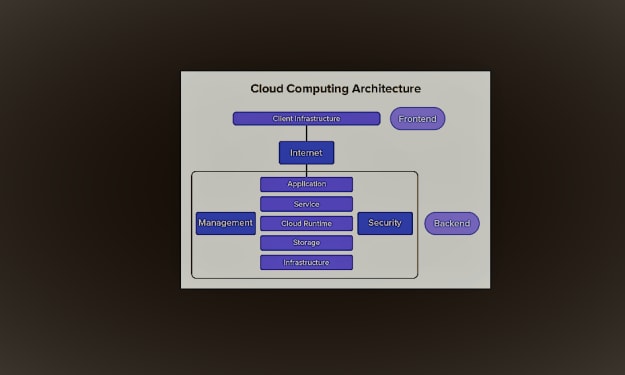
Architectural layer used as backend in cloud computing
Infrastructure layer: In cloud computing, the backend layer, also known as the infrastructure layer, is responsible for providing the underlying resources and services that the other layers of the cloud stack rely on. The backend layer typically includes the following components
By Hari vignesh 3 years ago in 01
What People Get Wrong About Consulting
Many people talk about consulting, but few understand what it truly involves. Movies, social media, and word of mouth often shape a narrow view. This creates confusion for students, business owners, and even new consultants. The topic of common misconceptions about consulting matters because these beliefs affect career choices and business decisions. When ideas are wrong, expectations break down fast.
By Nicole Metz7 days ago in Education


Comments
There are no comments for this story
Be the first to respond and start the conversation.