

The Stress of Being a Student: Understanding and Managing the Pressures of Student Life As a student, it is no secret that stress is an almost inevitable part of your life. Whether you are in elementary school, a high school student, or a university undergraduate, there will undoubtedly be times when the pressure of academic responsibilities and other obligations can feel overwhelming. From dealing with difficult coursework to balancing extracurricular activities, work, and personal relationships, the demands of student life can place a tremendous amount of strain on one's mental health and wellbeing. In this article, we'll explore the sources of student stress and provide some useful tips and strategies for managing it effectively. The Causes of Student Stress The sources of student stress can stem from a variety of factors, both academic and personal. Some of the key reasons why students may feel stressed include:
1. Academic pressure: The most obvious cause of school-related stress is the pressure to perform academically. Whether it's studying for exams, completing projects, or maintaining good grades, students may feel anxiety about their ability to succeed.
2. Time management: The need to balance academic work with other commitments can be a significant source of stress. When students feel overwhelmed by their schedules or are unable to prioritize their time effectively, it can lead to feelings of burnout and fatigue.
3. Social anxiety: For many students, school is a place where social anxiety can quickly spiral out of control. It can be intimidating to meet new people, manage relationships, and navigate social hierarchies, especially in new environments like college or university campuses.
4. Financial worries: The cost of education can be a significant source of stress for students, particularly those who must pay for their education or support themselves while attending school.
Tips for Managing Student Stress Fortunately, there are several strategies that students can use to help manage their stress levels and maintain their overall wellbeing.
1. Identify the root causes of stress: Before you can effectively manage your stress, it's essential to identify the sources of your anxiety. Are you feeling overwhelmed by academic work, social pressures, or financial concerns? Once you've identified the root causes, you can begin to take steps to address them.
2. Practice self-care: Taking care of yourself both physically and emotionally can go a long way in managing stress. Make sure you're getting enough sleep, eating well, and engaging in activities that you enjoy. Exercise can also be an effective way to reduce stress levels.
3. Seek support: Don't be afraid to ask for help when you need it. Talk to friends, family, or a mental health professional about your concerns. Many schools have resources for students struggling with mental health concerns or academic pressures.
4. Manage your time effectively: Efficient time management is crucial for reducing stress. Use a planner or calendar to stay organized and prioritize tasks. Make sure to build in time for relaxation and self-care, as well as for social activities and extracurricular pursuits.
5. Set realistic goals: While it is essential to strive for academic success, be sure to set realistic goals for yourself. Unrealistic expectations can lead to feelings of inadequacy and burnout. Conclusion The stress of student life can be challenging to manage, but it is not insurmountable. By identifying the sources of stress, practicing self-care, seeking support, and managing your time effectively, you can minimize the impact of stress on your life, achieve academic success, and maintain your overall well-being. Remember, it's okay to ask for help when you need it, and taking care of yourself is one of the best things you can do to achieve success both in and out of the classroom.
About the Creator
Keep reading
More stories from sowale jesudunsin and writers in Education and other communities.
ENTERTAINMENT
Entertainment is something that has become an integral part of our lives. Whether it’s listening to music, watching a movie, playing a game, or attending a live concert, we all engage in some form of entertainment that brings joy and relaxation to our busy lives. Music is perhaps the most popular form of entertainment. It is an art that can express emotions and feelings that cannot be easily put into words. From classical to rock, pop to jazz, there is a music genre for everyone. Listening to music can take us to another world where we forget all our worries and enjoy the rhythm and melody of the songs. Movies are another popular form of entertainment that allows us to escape reality and immerse ourselves in a different world. We can laugh, cry, and feel all sorts of emotions as we watch a movie. Whether it’s a comedy, romance, action, or horror, movies offer us a variety of genres to choose from. Gaming is yet another form of entertainment that has become increasingly popular in recent years. From console gaming to mobile gaming, there are endless options to choose from. Gaming can be a way to bond with friends, improve focus and problem-solving skills, or simply pass the time. Live events, such as concerts and sports games, are also a popular form of entertainment. These events bring people together, creating a sense of community and shared experiences. Attending a live concert or game can be an unforgettable experience, creating memories that last a lifetime. In conclusion, entertainment is a vital part of our lives that allows us to switch off from the stresses of daily life and enjoy moments of leisure and pleasure. From music to movies, gaming to live events, there are endless options to choose from. So sit back, relax and indulge in the world of entertainment.
By sowale jesudunsin3 years ago in Education
Natural Ways to Clear Blackheads and Whiteheads
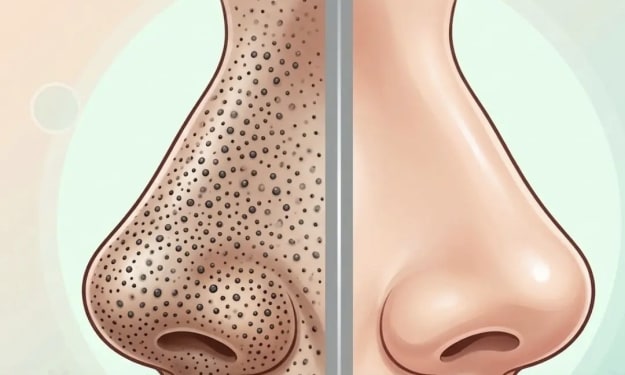
Blackheads and whiteheads are very common skin problems that affect people of all ages. They usually appear on the nose, chin, forehead, and sometimes on the cheeks. These small bumps form when the pores of the skin become clogged with oil, dead skin cells, and dirt. Blackheads appear dark because the clogged material inside the pore reacts with air and becomes oxidized, while whiteheads remain covered by skin, giving them a white or flesh-colored appearance.
By DigitalAddi5 days ago in Education



Comments (1)
English book summaries deliver a short, clear synopsis of a book’s central ideas, themes, and characters. They are perfect for readers who wish to quickly understand the core of a book without having to read it entirely. If you need additional support with writing or summarizing https://ukwritings.com/write-my-essay offers professional services. These summaries are useful for students, busy workers, or anyone looking to digest a book’s content more efficiently. They are an excellent time-saving tool for efficient knowledge acquisition.