
The Smoothie Diet: A Simple Way to Lose Weight
Is the Smoothie Diet Effective?

The Smoothie Diet has gained popularity as a quick and convenient way to lose weight. With promises of easy meal prep, nutrient-packed drinks, and weight loss, it sounds like an appealing choice for many people looking to shed a few pounds. But is the Smoothie Diet truly effective, and is it a sustainable approach to weight management?
In this article, we’ll take a closer look at the Smoothie Diet, how it works, its benefits, and potential drawbacks to help you determine if it’s the right choice for your health and wellness journey.
What is the Smoothie Diet?
The Smoothie Diet is a type of meal-replacement diet where individuals replace one or more meals each day with smoothies. These smoothies typically contain a blend of fruits, vegetables, protein sources, healthy fats, and sometimes additional supplements like fiber or protein powder. The goal is to create a calorie deficit (where you consume fewer calories than you burn), which can lead to weight loss.
One of the most popular versions of the Smoothie Diet is the 21-Day Smoothie Diet, which is designed to be followed for three weeks. During this time, you replace two of your daily meals with smoothies and eat one solid food meal. The plan also allows for healthy snacks in between meals.
The concept of the Smoothie Diet is simple: by replacing high-calorie, less-nutrient-dense meals with nutrient-packed smoothies, you can lose weight. But while this may seem like a quick fix, there are several factors you need to consider before adopting this type of diet.
How Does the Smoothie Diet Work?
The Smoothie Diet works by focusing on calorie control and nutrient density. The smoothies replace meals with ingredients like fruits, vegetables, protein, and healthy fats, which are generally lower in calories than many traditional meals, especially processed or fast food options.
The diet typically follows this structure:
Two smoothie meals per day (usually for breakfast and lunch).
One solid meal per day (a healthy, balanced dinner).
Healthy snacks like nuts, seeds, or vegetables can be included throughout the day to keep hunger at bay.
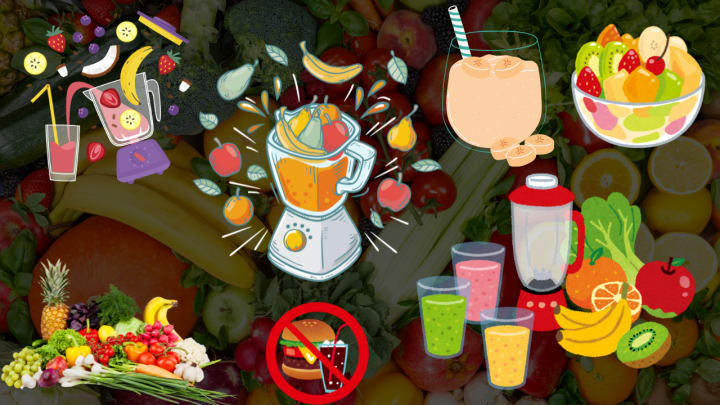
Smoothie ingredients can include:
Fruits (like berries, bananas, mangoes, or apples).
Vegetables (like spinach, kale, or cucumber).
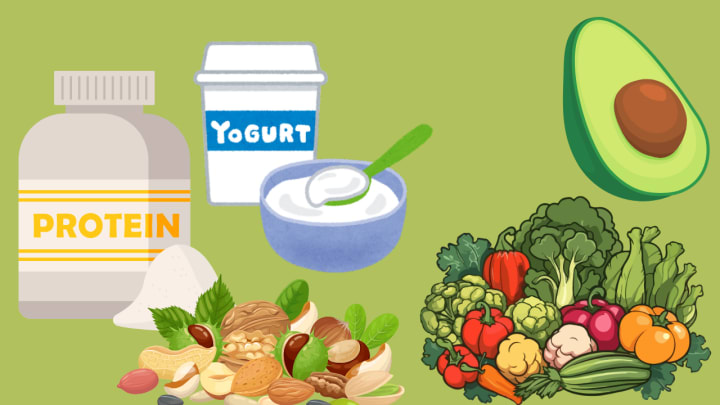
Proteins (such as protein powder, Greek yogurt, or nut butters).
Healthy fats (like avocado, chia seeds, or flaxseeds).
Liquid bases (water, almond milk, or coconut water).
The idea is that smoothies are easy to prepare, portable, and can be packed with essential nutrients like vitamins, minerals, antioxidants, and fiber—all while being relatively low in calories.
Benefits of the Smoothie Diet
There are several potential benefits to the Smoothie Diet, especially if you're looking for a simple way to cut back on calories and increase your intake of fruits and vegetables.
1. Increased Fruit and Vegetable Intake
Smoothies are a great way to get more fruits and vegetables into your diet, which are packed with essential nutrients like vitamins A and C, potassium, fiber, and antioxidants. Many people struggle to eat enough fruits and vegetables each day, and smoothies offer an easy way to meet this goal. Blending fruits and vegetables into a smoothie also makes it easier to consume a larger quantity than you might be able to eat in a single meal.
2. Convenience
Making a smoothie can be a quick and easy option, especially if you’re busy. You can prepare your smoothie in a matter of minutes and take it with you on the go. For people who struggle with meal prep or find cooking time-consuming, smoothies provide a simpler solution.
3. Portion Control
Replacing meals with smoothies can help with portion control. Many people find it difficult to manage portion sizes, and smoothies, when made with the right ingredients, can offer a filling meal with controlled calorie content. This helps to reduce the temptation to overeat, making it easier to stick to a calorie deficit for weight loss.
4. Nutrient-Dense
Smoothies can be packed with nutrients without being calorie-heavy. By adding nutrient-dense ingredients like leafy greens, fruits, and seeds, you can get a wide range of essential vitamins and minerals, including fiber, which promotes digestion and helps with satiety.
Potential Drawbacks of the Smoothie Diet
While the Smoothie Diet offers several benefits, it also has some potential drawbacks that you should consider before deciding if it’s right for you.
1. Nutrient Imbalance
One of the main concerns with the Smoothie Diet is that it may lack balance in terms of protein, healthy fats, and carbohydrates. While smoothies can contain plenty of fruits and vegetables, they may not always provide enough protein, which is essential for maintaining muscle mass and promoting healthy metabolism. Without proper planning, a smoothie-based diet could leave you feeling sluggish or unsatisfied.
2. High in Sugar
While fruits and vegetables are healthy, they also contain natural sugars. If you’re not careful, you could end up consuming a significant amount of sugar through your smoothies, especially if you’re adding high-sugar fruits like bananas, mangoes, or adding extra sweeteners like honey or maple syrup. This can be an issue for individuals trying to manage blood sugar levels, particularly those with conditions like diabetes.
3. Sustainability
The Smoothie Diet is not meant to be followed long-term. Replacing two meals per day with smoothies may work for short-term weight loss, but it can be challenging to stick to for an extended period. Additionally, eating whole foods offers more variety and satisfaction compared to liquid meals, which might make it harder to maintain for the long haul.
4. Potential Nutrient Deficiency
A diet consisting mainly of smoothies may lack certain essential nutrients that are better obtained from solid foods. For example, while smoothies can be great for vitamins and minerals, they may not provide adequate amounts of fiber, fats, or other nutrients you would typically get from a well-rounded, whole food diet.
5. Time and Effort
While smoothies are quick to prepare, making them for every meal can be time-consuming. You'll need to plan and prep your ingredients ahead of time, especially if you’re trying to maintain a balanced smoothie with the right protein and fat content. This could be a challenge for people with very busy lifestyles.
Is the Smoothie Diet Right for You?
The Smoothie Diet can be an effective way to jump-start weight loss, especially if you're looking for a simple, easy-to-follow meal plan that promotes a higher intake of fruits and vegetables. However, it’s important to approach it with caution and be mindful of potential nutritional gaps.

Before starting the Smoothie Diet, consider the following:
Assess your health needs: If you have any specific dietary needs or health conditions (such as diabetes, food allergies, or digestive issues), it’s important to consult with a healthcare provider before beginning any restrictive diet.
Think long-term: While the Smoothie Diet might be effective for short-term weight loss, it may not be sustainable in the long run. A balanced, nutrient-rich diet that includes a variety of food groups is essential for overall health and weight management.
Listen to your body: If you’re feeling too hungry or fatigued, or if you find it hard to get enough protein and healthy fats, the diet might not be providing the right balance for you.
Last Words
The Smoothie Diet offers a convenient and nutrient-dense way to lose weight, especially for those looking to increase their intake of fruits and vegetables. However, it’s not without its challenges, including potential nutrient imbalances and the difficulty of maintaining a smoothie-heavy diet long-term.
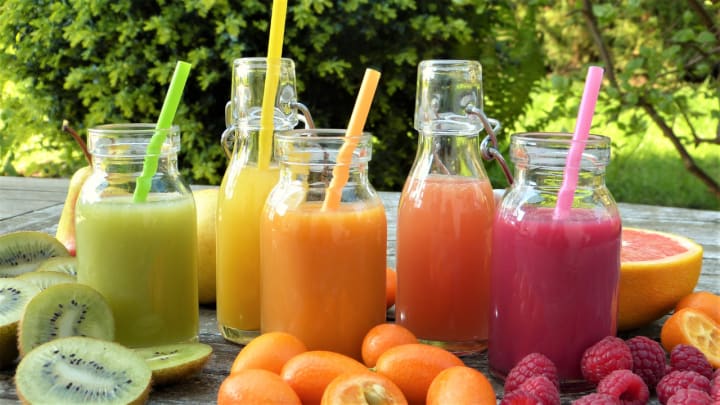
If you choose to try the Smoothie Diet, make sure to plan your meals carefully to ensure you’re getting a balance of protein, fats, and carbohydrates. It's also important to approach the diet as part of a broader, more sustainable approach to healthy eating. For best results, consider combining the Smoothie Diet with regular physical activity, adequate sleep, and other healthy lifestyle habits.
Ultimately, the best diet is one that fits your individual needs, supports your overall health, and is something you can maintain over the long term.
About the Creator
Yash Tiwari
A writer passionate for writing.
Keep reading
More stories from Yash Tiwari and writers in Education and other communities.
Olivia Hussey, Star of 'Romeo and Juliet,' Dies at 73
Olivia Hussey, the actress whose role as Juliet in Franco Zeffirelli’s 1968 film Romeo and Juliet made her an international star, has passed away at the age of 73. She died on Friday, surrounded by her family and loved ones, with the news confirmed by a statement posted on her official Instagram account. Hussey’s portrayal of the famous Shakespearean heroine won her widespread acclaim, earning her the Golden Globe Award for Best New Actress. Her passing marks the end of a remarkable career that left a lasting imprint on both the film and television industries.
By Yash Tiwariabout a year ago in Humans
Is Pharmacy Tech a Good Career Choice for 2026?
Given the recent shifts in the market and AI automation, people are now well aware that economic shakeups can drastically hinder their income sources. This is causing a lot of people to switch careers, and a majority of people are targeting healthcare roles. However, not all allied healthcare roles are created equal. Also, you can aim to become a medical assistant, but if you do not want to deal with patients, the ideal role for you is that of a Pharmacy Technician.
By Meaghan Howe3 days ago in Education




Comments (1)
creative content nice read more - https://shorturl.at/1su3K