
The Smart Home Revolution: What’s Next in Home Automation?
How Technology is Redefining the Modern Home Experience

The Smart Home Revolution: What’s Next in Home Automation?
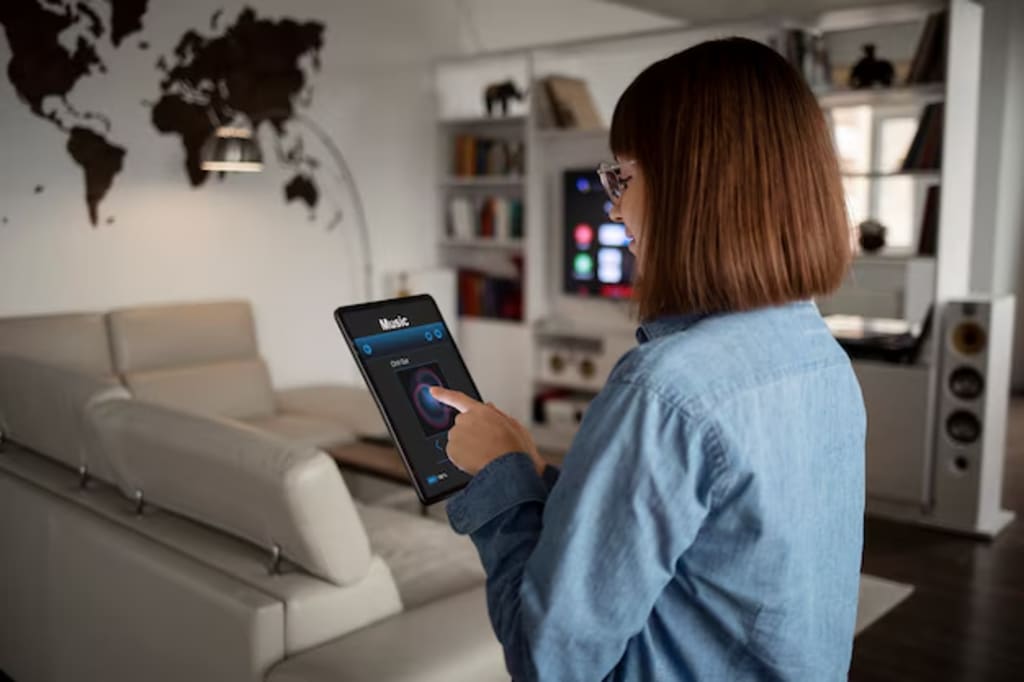
The concept of a smart home—where technology enhances the way we live by automating mundane tasks—has rapidly evolved from a futuristic dream to a present-day reality. With the advent of the Internet of Things (IoT), homes are now equipped with devices that not only communicate with one another but also adapt to our lifestyles. From smart thermostats to voice-activated assistants, the smart home revolution is just beginning, and as we look ahead, the possibilities are truly exciting.
In this article, we’ll explore the current state of home automation, emerging trends, and what’s next in this dynamic landscape.
The Rise of Smart Home Technology
The smart home market is booming, with the global market expected to reach $174 billion by 2025. As more consumers seek convenience, energy efficiency, and enhanced security, manufacturers are responding with a plethora of innovative products. Amazon Alexa, Google Assistant, and Apple HomeKit are just a few platforms that enable seamless connectivity and control of smart devices, providing homeowners with a centralized hub for managing their environments.
Real-Life Example: Smart Thermostats
Smart thermostats, like Nest and Ecobee, exemplify how home automation can enhance energy efficiency. These devices learn your heating and cooling preferences over time, adjusting automatically to maximize comfort and minimize energy consumption. According to Nest, users can save an average of 10-12% on their heating bills and 15% on cooling bills, demonstrating a clear financial benefit alongside environmental impact.
Emerging Trends in Home Automation
As the smart home industry grows, several emerging trends are shaping its future.
1. Enhanced Interoperability
One of the biggest challenges in home automation has been the compatibility of devices from different manufacturers. However, the trend is moving toward greater interoperability through the adoption of standards like Matter. Matter aims to create a unified protocol that allows devices from various brands to communicate with each other seamlessly. This means that your smart lights, locks, and speakers can work together more effectively, creating a more cohesive smart home experience.
2. AI and Machine Learning
Artificial intelligence (AI) and machine learning are being integrated into smart home devices to improve their capabilities. For instance, smart security cameras can now recognize familiar faces and send alerts if an unknown individual is detected. Ring, a leader in smart security, has developed AI-driven features that enhance home security by learning the typical patterns of movement around a property, thus providing real-time alerts for unusual activities.
3. Voice Control and Natural Language Processing
Voice assistants are becoming increasingly sophisticated, enabling homeowners to control their devices with simple voice commands. Google Nest and Amazon Echo have made significant strides in natural language processing, allowing for more complex queries and multi-step commands. For example, you can say, "Hey Google, turn off the living room lights and set the thermostat to 72 degrees," streamlining the process of managing your environment.
4. Smart Health Monitoring
The COVID-19 pandemic has highlighted the importance of health and wellness, leading to a surge in smart health monitoring devices. Smart home technology is evolving to include health-focused devices like smart air purifiers, sleep monitors, and even connected fitness equipment. Brands like Withings are integrating health monitoring features into their smart scales, enabling users to track weight, body fat, and muscle mass over time.
5. Energy Management and Sustainability
Sustainability is at the forefront of consumers’ minds, and smart home technology is helping them manage energy consumption more efficiently. Smart plugs and energy monitors can provide real-time insights into energy usage, allowing homeowners to make informed decisions about their consumption patterns. WattUp, a wireless power solution, aims to charge devices without the need for cords, promoting energy efficiency in everyday use.
What’s Next in Home Automation?
As we look to the future, the smart home revolution is set to become even more transformative. Here are some anticipated developments:
1. Integration of Augmented Reality (AR)
Imagine being able to visualize how furniture would look in your home before making a purchase. AR technology, already making waves in the retail industry, could soon find its way into home automation. Apps could allow users to overlay digital information onto their physical environment, assisting in everything from interior design to troubleshooting device issues.
2. Advanced Security Systems
As smart home technology evolves, so will security systems. Future security solutions may incorporate biometric technology, such as facial recognition and fingerprint scanning, ensuring that only authorized individuals can access specific areas of the home. This advancement will not only enhance security but also improve convenience.
3. Increased Personalization
AI and machine learning will enable even greater personalization of smart home systems. For example, your home could learn your preferences and adjust lighting, temperature, and music based on your mood and daily routines. The integration of data analytics could allow your home to predict when you’ll be home and prepare your environment accordingly.
4. Greater Focus on Privacy and Security
As smart home technology becomes more pervasive, concerns about data privacy and security will continue to grow. Manufacturers will need to prioritize robust cybersecurity measures and transparent data policies to protect users. Future devices may incorporate blockchain technology to secure transactions and personal data, providing an extra layer of protection against potential breaches.
5. Smart Cities and Community Integration
Looking beyond individual homes, the smart home revolution is expected to integrate with smart city initiatives. As urban areas adopt smart technologies for traffic management, waste collection, and energy distribution, individual homes will become nodes within a larger, interconnected ecosystem. This holistic approach will allow for enhanced resource management and improved quality of life for residents.
Conclusion: Embracing the Future of Smart Homes
The smart home revolution is not just about convenience; it’s about enhancing our quality of life and promoting sustainability. With advancements in technology and the integration of AI, the possibilities are endless. As homeowners, embracing these innovations can lead to a more efficient, secure, and comfortable living environment.
As we look to the future, staying informed about emerging trends and technologies in home automation will be crucial. The journey toward a fully automated home is just beginning, and with it comes the potential for a smarter, more connected world. The future of home automation is bright, and as technology continues to evolve, so will our experiences in the spaces we call home.
About the Creator
FLORENCE DANIEL
Hi, I’m a tech enthusiast and writer, dedicated to making AI and the latest technology accessible and impactful for everyone.Technology isn’t just something we use—it’s something that drives positive change!
Keep reading
More stories from FLORENCE DANIEL and writers in Education and other communities.
10 Must-Have Apps for Productivity in the Digital Age
In our fast-paced, technology-driven world, staying productive can be a daunting task. With countless distractions at our fingertips, from social media notifications to streaming services, finding ways to maximize efficiency and manage time effectively has never been more critical. Thankfully, there are numerous apps designed to enhance productivity, streamline tasks, and help us achieve our goals. Here’s a look at ten must-have apps that can transform your productivity in the digital age.
By FLORENCE DANIELabout a year ago in Education
Managing Anxiety During Exams: A Student’s Guide
Exams are one of the most common sources of stress for students at every level. Even the most prepared individuals often feel nervous before or during a test. Exam anxiety is natural — it’s the body’s way of preparing for a challenge — but excessive stress can interfere with focus, memory recall, and overall performance. Understanding the causes of anxiety and learning effective coping strategies can make a significant difference. This guide provides practical, evidence-based techniques to manage stress before, during, and after exams.
By Games Mode Onabout 16 hours ago in Education
Best Tools and Tips for Project Managers to Manage Projects Effectively
Project management plays a critical role in ensuring that business goals are achieved on time and within budget. In today’s fast-paced and competitive environment, project managers must balance multiple responsibilities, manage diverse teams, and adapt to constant changes. Using the right tools along with proven management techniques can significantly improve project efficiency and success.
By Muhammad Hussainabout 17 hours ago in Education




Comments
There are no comments for this story
Be the first to respond and start the conversation.