
The Silent Signs of Anxiety Nobody Talks About
Hidden struggles that quietly affect your mind, body, and daily life — even when you look fine on the outside.

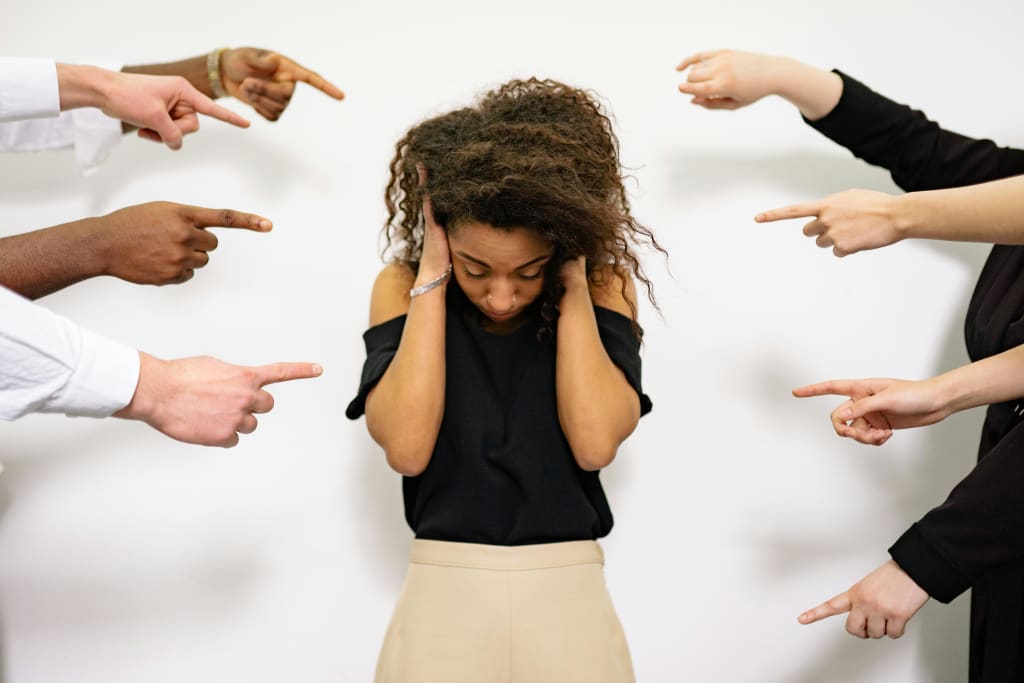
Hidden struggles that quietly affect your mind, body, and daily life — even when you look fine on the outside
Anxiety is something that many people experience. It’s often discussed as feeling nervous, worried, or stressed. But what many don’t talk about are the silent signs of anxiety — the ones that happen inside us and may not show on the outside.
You may not always recognize anxiety because its signs are often quiet or subtle. But if you’ve ever felt like something is “off” but can’t explain why, it might be because of anxiety — even if you don’t feel nervous at all.
Here are some of the silent signs of anxiety that many people don’t know about, but which can affect your life in ways you might not realize.
1. Feeling Tired All the Time
One of the most common signs of anxiety is constant tiredness. Even if you sleep well, anxiety can leave you feeling drained. This is because your body is always in a “fight or flight” mode — your heart rate is higher, your muscles are more tense, and your brain is constantly alert.
You may feel like you’ve had a full day even when you just woke up. This feeling of exhaustion is one of the silent ways anxiety can affect your life.
Tip: If you feel tired all the time, it might help to practice relaxation techniques like deep breathing or gentle stretching before bed. These can help lower your body’s stress levels.
2. Headaches That Won’t Go Away
Frequent headaches or migraines are another silent symptom of anxiety. Tension in your muscles and stress can create pressure around your head, which leads to pain. Anxiety often causes people to clench their jaw or tighten their shoulders, which can add to the pressure in your head.
Sometimes, you may not even feel stressed consciously, but your body might still be reacting with headaches.
Tip: A warm compress or gentle massage can help ease tension and reduce headaches. But if headaches become regular, it’s important to talk to a doctor.
3. Feeling Unfocused or Forgetful
When you’re anxious, your mind tends to be all over the place. You might find it hard to concentrate or remember things clearly. This happens because anxiety affects the brain’s ability to focus and store information.
It’s frustrating when you can’t remember simple tasks or when you feel like you’re unable to think clearly. This is one of the silent signs that your anxiety is affecting your everyday life.
Tip: Try writing things down or making lists. This will help you stay focused and calm your mind.
4. Nervous Energy in Your Body
Ever feel like you have nervous energy that you just don’t know how to release? You may find yourself tapping your feet, pacing around, or even fidgeting. This restless energy is another silent sign of anxiety.
Even though you might not feel “nervous” in the traditional sense, your body is reacting to stress. Your mind might be focused on something else, but your body is still in a state of alertness, trying to cope with that stress.
Tip: To help with this restless energy, try simple exercises or mindful breathing. This can help you release that nervous energy in a healthy way.
5. Digestive Problems
Anxiety can mess with your stomach, leading to digestive issues like nausea, stomach cramps, or even irritable bowel syndrome (IBS). When you’re anxious, your body goes into stress mode, affecting your digestive system. It’s like your body shifts all its energy to handling the stress, leaving your stomach and intestines upset.
These digestive problems can make you feel uncomfortable and might seem like an unrelated issue — but they are often a silent symptom of anxiety.
Tip: Eating smaller meals and drinking water regularly can help ease some of these digestive issues. Avoid too much caffeine or alcohol, as they can make anxiety worse.
6. Avoiding Social Situations
If you find yourself withdrawing from social events or avoiding people, it might not just be that you’re shy or tired. Anxiety often causes people to feel overwhelmed in social settings. You might worry about saying the wrong thing, or feel like people are judging you, even when they aren’t.
This feeling of wanting to be alone can sometimes go unnoticed by others, but it’s a powerful sign of anxiety.
Tip: Start by attending small, low-pressure events to build your confidence and ease anxiety in social situations. Remember, it’s okay to take things at your own pace.
7. Sleep Problems
Many people with anxiety struggle with sleeping well. You might have trouble falling asleep, or you might wake up feeling restless. Anxiety keeps your brain in an active state, making it harder to relax enough to fall into a deep sleep.
Not getting enough sleep can make anxiety worse, creating a frustrating cycle.
Tip: Develop a nighttime routine. Avoid screens and try to relax with reading, calming music, or a warm bath before bed. These can help signal to your brain that it’s time to sleep.
8. Feeling Irritable or Overreacting
Anxiety doesn’t just affect your body — it can also affect your emotions. You might find yourself getting angry or irritable over small things that normally wouldn’t bother you. This happens because anxiety can heighten your emotions and make your reactions more extreme.
If you feel like you’re snapping at people or feeling upset easily, anxiety might be a factor.
Tip: Practice deep breathing or mindfulness to help you manage your emotions. These tools can help you stay calm in stressful situations.
Final Thoughts
Anxiety affects everyone in different ways, and the signs aren’t always obvious. These silent signs can be easy to miss or ignore, but they can have a big impact on your well-being.
If you notice any of these signs in yourself, know that you’re not alone. Anxiety is a real condition, and recognizing its signs is the first step in managing it.
If anxiety is affecting your life, consider talking to a professional. They can help you understand your feelings and guide you on how to handle them in a healthy way.
Remember, it’s okay to seek help, and it’s okay to take care of yourself. Your mental health is just as important as your physical health.
About the Creator
Dadullah Danish
I'm Dadullah Danish
a passionate writer sharing ideas on education, motivation, and life lessons. I believe words can inspire change and growth. Join me on this journey of knowledge and creativity.
Keep reading
More stories from Dadullah Danish and writers in Education and other communities.
7 Habits That Changed My Life Before 7 AM
Easy habits that helped me feel better, think clearly, and do more each day I used to hate mornings. I would wake up late, feel tired, skip breakfast, and start my day in a rush. Most days, I felt behind before I even began.
By Dadullah Danish9 months ago in Education
From Despair to Hope: How Animal Rescue Efforts Rebuild Broken Lives
Animal rescue efforts stand as a powerful response to suffering that often goes unseen. Across towns, cities, and rural areas, animals face neglect, abandonment, injury, and fear every day. Many are left without food, shelter, or medical care. Others are harmed by abuse or natural disasters. Without help, their future is uncertain. Through patience, care, and action, animal rescue efforts transform despair into hope and give animals the chance to heal and live safely.
By Brenda McGrane4 days ago in Education




Comments
There are no comments for this story
Be the first to respond and start the conversation.