
The Silent Rise: Understanding the Increasing Rate of Cancer in People
Why More People Are Getting Cancer—and What We Can Do About It

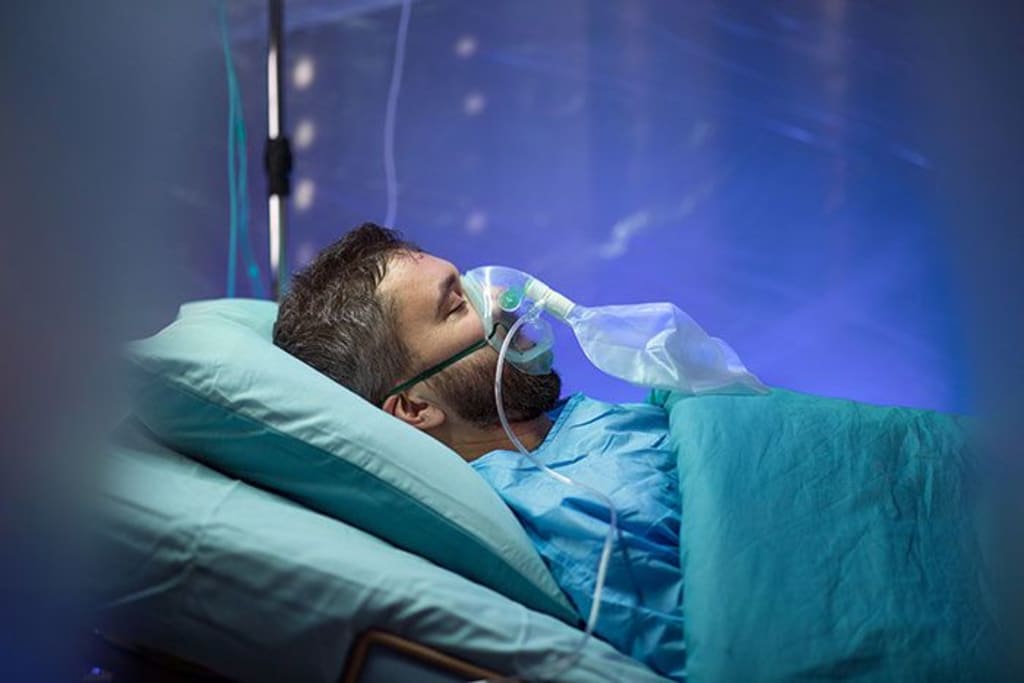
Just a few decades ago, cancer was something most people only whispered about. It was rare in our communities and mostly associated with older age. But today, things have changed dramatically. Almost every family has a story—someone’s uncle, cousin, sister, or friend battling cancer. The disease, once distant and mysterious, is now heartbreakingly familiar.
As cases rise globally, the question isn’t just why this is happening but also what can we do about it. Cancer is no longer just a health concern. It’s a deeply personal and emotional issue that’s shaping how we live, eat, work, and care for one another.
A Modern Disease? Not Quite. But It’s Growing Fast.
Cancer isn’t new. It’s been around for centuries. But the rate at which it’s increasing today is alarming. According to the World Health Organization (WHO), cancer is now one of the leading causes of death worldwide. It’s expected that by 2040, the number of new cancer cases per year will rise to over 29 million. This isn’t just about numbers—it’s about real people, real families, and real pain.
So, what’s changed? Why does it feel like more people—especially younger individuals—are being diagnosed than ever before?
Our Environment Is Part of the Problem
Modern life comes with convenience, but it also brings hidden dangers. Our environment has drastically changed in the last 50 years. We’re exposed to more chemicals, pollutants, and artificial substances than any generation before us.
Pesticides in our fruits and vegetables, preservatives in packaged food, air pollution from traffic and factories, and plastic toxins in our water bottles—these aren’t just environmental issues. They’re health issues. Studies have shown strong links between these factors and increased risks of cancers like lung, breast, colon, and skin cancer.
I remember once visiting a friend in a small rural village. They lived near a factory that released smoke daily. Over the years, more than a dozen people from their community were diagnosed with cancer. Some were farmers, others were children. It made me realize how deeply our surroundings affect our health—often in ways we don’t fully see until it’s too late.
The Lifestyle Link: What We Eat, How We Live
Our eating habits have also transformed. Home-cooked meals made with natural ingredients are becoming rare, replaced by processed foods, sugary drinks, and takeaways. These dietary changes are strongly linked to several types of cancer, particularly colon, stomach, and liver cancers.
I’ll admit, I was guilty of this too. Fast food was my go-to after work, and I rarely paid attention to labels or ingredients. But when a close friend was diagnosed with breast cancer in her early 30s, everything changed. Her doctors believed her high-sugar, low-fiber diet, combined with stress and lack of exercise, contributed to her condition. It was a wake-up call—not just for her, but for all of us around her.
Since then, I’ve made conscious changes. More vegetables, fewer processed items. I started cooking more at home, walking daily, and drinking more water. It wasn’t easy, but I realized prevention isn’t about perfection—it’s about intention.
The Stress Factor: A Hidden Enemy
One thing that doesn’t get talked about enough is stress. Chronic stress weakens the immune system, affects sleep, and increases inflammation in the body—all of which can contribute to cancer. We live in a world of deadlines, digital distractions, and constant pressure to do more, be more, and achieve more.
But our minds and bodies aren’t designed for nonstop tension. I used to brush off stress as just “part of adult life.” But over time, I saw how it silently affects health. Not just mine, but everyone around me. High blood pressure, anxiety, poor sleep—all signs of a system under strain.
Mental health is physical health. And learning to manage stress—whether through prayer, meditation, therapy, or simply spending time in nature—is not a luxury. It’s a necessity.
Genetics vs. Environment: What Really Causes Cancer?
It’s true that genetics play a role in cancer. Some people are more likely to develop certain cancers because of inherited genes. But here’s something important: only about 5–10% of cancers are purely genetic. The rest are linked to environmental and lifestyle factors.
That means we can take steps to reduce our risk. We may not control our genes, but we do have a say in how we live our lives.
Regular checkups, early screenings, and awareness of family history are important. But so is drinking clean water, avoiding tobacco, using natural products, and getting enough rest.
Emotional Impact: What Cancer Does Beyond the Body
Cancer isn’t just a physical illness—it’s an emotional journey. The fear, uncertainty, and pain it brings are unimaginable unless you’ve lived it or watched someone you love go through it. I still remember the trembling voice of my cousin when she got her diagnosis. The waiting. The hospital visits. The sleepless nights.
But I also remember the strength. The prayers. The small victories. The way everyone rallied around her with meals, hugs, and hope. That’s the other side of cancer—the way it brings people together and reminds us what truly matters.
Can We Prevent Cancer? Some, Yes. Others, We Fight Early.
Not all cancers are preventable, but many are. According to the American Cancer Society, at least 40% of cancers could be prevented through simple lifestyle changes like:
Avoiding tobacco
Eating a healthy diet
Staying physically active
Limiting alcohol
Protecting skin from the sun
Reducing exposure to harmful chemicals
Early detection also saves lives. Many cancers, if caught early, can be treated successfully. That’s why awareness and education are so important.
Final Words: What We Can Do Together
The rising number of cancer cases isn’t just a statistic. It’s a story unfolding around us—one that involves real people with dreams, families, and futures.
We need to speak more openly about it. Share our experiences. Encourage healthier living. Support those in treatment. And demand cleaner, safer environments for ourselves and future generations.
If cancer has taught me anything, it’s that life is fragile. Every moment matters. And while we may not be able to stop every case, we can certainly fight for a world where fewer people suffer—and more people survive.
Let’s live smarter, love deeper, and take care of ourselves and each other.
About the Creator
Sherooz khan
I write emotional stories, real-life experiences, and motivational thoughts that touch the heart and mind. Follow me for content that inspires, connects, and makes you feel seen, heard, and understood. Let’s tell stories that matter.
Keep reading
More stories from Sherooz khan and writers in Education and other communities.
How to Stay Cyber Secure in 2025
Introduction It’s 2025, and technology has made our lives more connected than ever. Smart devices are everywhere—from phones and fridges to watches and even light bulbs. But as our digital lives expand, so do the risks. Cyber threats have become more advanced, more personal, and harder to detect. That’s why staying cyber secure isn’t just for tech experts anymore—it’s a life skill.
By Sherooz khan6 months ago in Education
Top 10 SEO Experts In Pakistan In 2026
Introduction Search optimization in 2026 no longer revolves around keywords or isolated ranking tactics. Google’s AI Overviews, entity-based indexing, and answer-first systems have changed how visibility is earned. Search engines now evaluate meaning, credibility, and contextual authority rather than mechanical signals.
By Sajid Ali Shar4 days ago in Education
Colors and Such
Before I retired in 2020, I worked as a Nursing instructor in one of the nation's largest community colleges. It was a job I thoroughly enjoyed for fifteen years because I had a heart for the students and genuinely wanted to invest in them and their futures.
By Shirley Belk6 days ago in Education


Comments
There are no comments for this story
Be the first to respond and start the conversation.