
The Sentinel of the Shore
A Timeless Tribute to the Guiding Light of Mariners

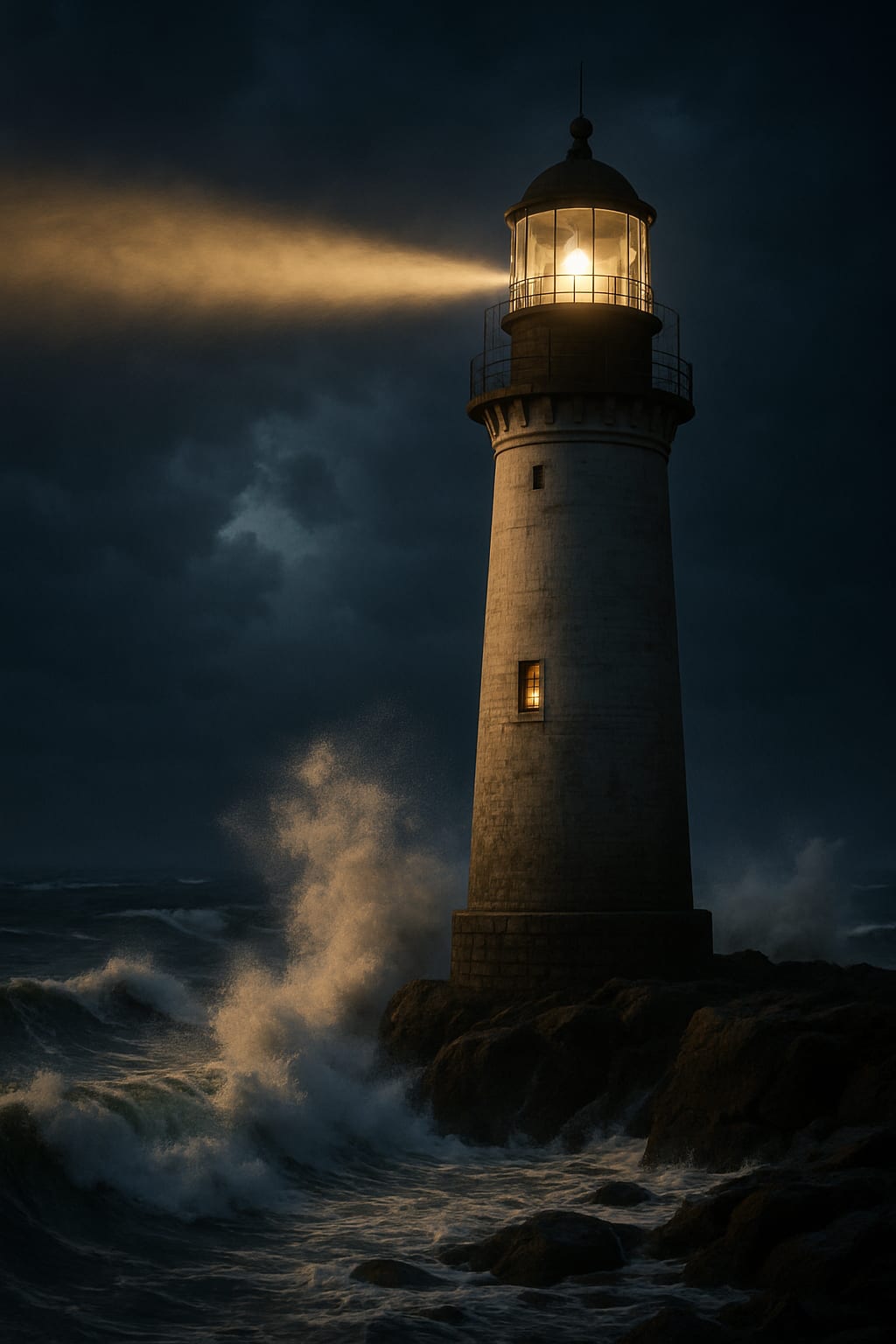
The Sentinel of the Shore: A Tribute to the Lighthouse
In a world increasingly dominated by the fleeting glow of digital screens, there stands a symbol of enduring vigilance, a steadfast sentinel against the unforgiving might of the sea: the lighthouse. More than just a structure of brick and mortar, glass and light, a lighthouse embodies hope, guidance, and unwavering commitment. It is a silent guardian, a beacon of civilization at the treacherous edge of the unknown.
---
A Guiding Light Through the Ages
The concept of a guiding light for mariners is as old as seafaring itself. From ancient bonfires lit on headlands to the colossal Lighthouse of Alexandria, one of the Seven Wonders of the Ancient World, humans have sought to conquer the darkness of the sea. However, the modern lighthouse, as we know it, began to truly evolve with advancements in optics and engineering.
By the 18th and 19th centuries, lighthouses became sophisticated structures, often built in perilous locations—on remote islands, rocky shoals, or treacherous cliffs. Each one was a testament to human ingenuity and perseverance. Engineers and builders battled relentless storms, powerful tides, and the sheer isolation of their chosen sites to erect these towers, ensuring a safe passage for ships laden with cargo and human lives.
The life of a lighthouse keeper was one of immense dedication and solitude. These brave men and sometimes women, often accompanied only by their families, lived isolated lives, their days and nights dictated by the rhythmic flash of the lamp. Their primary duty was to maintain the light, cleaning the lenses, fueling the lamps (initially oil, then kerosene, and later electricity), and ensuring the complex clockwork mechanisms that rotated the beam operated flawlessly. They were the eyes and ears of the shore, observing weather patterns and sometimes even serving as emergency responders. Their vigilance was the thin line between life and death for countless sailors.
---
The Anatomy of a Beacon
A lighthouse is typically comprised of several key elements, each serving a vital purpose. The tower itself, varying in height and design, is engineered to withstand the harshest elements. Its robust construction, whether of stone, brick, or steel, speaks of defiance against nature’s fury.
At the pinnacle of the tower resides the lantern room, a glass-enclosed space housing the light source and its intricate optical system. This system is the heart of the lighthouse, often featuring a powerful lamp coupled with a series of Fresnel lenses. These specially designed lenses, invented by Augustin-Jean Fresnel in the early 19th century, could concentrate and amplify the light, projecting a powerful, focused beam far out to sea. The unique flash pattern—a sequence of flashes and eclipses—served as a navigational signature, allowing mariners to identify their location.
Below the lantern room, the watch room or service room provided a space for the keeper to monitor the light and weather conditions. Living quarters, if part of the tower, were usually located at the base or within the tower itself.
---
More Than Just a Light: A Symbol
Beyond their practical function, lighthouses have long held a powerful symbolic meaning. They represent:
Hope and Safety: For a sailor lost in a storm or navigating treacherous waters, the sight of a lighthouse beam cutting through the darkness is a visceral promise of safety, a guiding hand leading them home.
Vigilance and Dedication: The unwavering, rhythmic flash symbolizes constant watchfulness and the tireless efforts of those who dedicate their lives to protecting others.
Solitude and Resilience: Standing alone against the vastness of the ocean, lighthouses are a testament to endurance, their stoic presence inspiring a sense of quiet strength.
A Bridge Between Worlds: They mark the transition between the known land and the mysterious, often perilous, expanse of the sea.
---
The Fading Glow in a Digital Age
In the 21st century, the role of traditional lighthouses has evolved dramatically. With the advent of advanced navigation technologies like GPS (Global Positioning System), radar, and satellite communication, the need for human-operated lighthouses has significantly diminished. Many have been automated, their intricate mechanisms now controlled remotely. Some have been decommissioned entirely, while others have been preserved as historical landmarks, museums, or even unique holiday rentals.
While their primary function may have been largely superseded by technology, the emotional and symbolic resonance of the lighthouse remains undiminished. They continue to capture our imagination, reminding us of a time when human courage and a simple, powerful light were the sole guardians against the ocean's unforgiving might.
---
Final Tribute
The lighthouse stands as a silent monument to human ingenuity, a beacon of hope against the darkness, and a timeless reminder that even in an age of blinding progress, there is an enduring beauty in the steadfast, guiding light. It reminds us that sometimes, the most profound comfort comes from a simple, unwavering presence, shining brightly through the darkest of nights.
About the Creator
Noman Afridi
I’m Noman Afridi — welcome, all friends! I write horror & thought-provoking stories: mysteries of the unseen, real reflections, and emotional truths. With sincerity in every word. InshaAllah.
Keep reading
More stories from Noman Afridi and writers in Education and other communities.
RMS Titanic: The Unsinkable Dream and Its Tragic End
RMS Titanic: The Unsinkable Dream and Its Tragic End — A Journey of Glory, Hubris, and Heartbreak The year was 1912, a time defined by industrial greatness and a firm belief in mankind’s unstoppable progress. At the peak of this golden era stood the RMS Titanic — an engineering marvel, a beacon of opulence, and a vessel deemed “unsinkable” by its creators. Built by Harland and Wolff and operated by the White Star Line, the Titanic represented not just a ship, but the culmination of ambition, technology, and dreams.
By Noman Afridi8 months ago in Education
The Comfort of Arrival: Why Certain Destinations Instantly Feel Familiar
There are moments in travel that defy logic. You arrive in a place you have never visited before, step onto its streets, breathe in its air, and suddenly feel at ease. There is no adjustment period, no sense of being out of place. Instead, there is a quiet recognition, as if the destination has been waiting for you. This feeling of instant belonging is not accidental, nor is it purely romantic imagination. It is the result of emotional, cultural, psychological, and environmental factors working together to create a sense of home far from home.
By Producer James Simon4 days ago in Education
The Proven Natural Skincare Secret with Healthy Skin
Healthy skin does not come from harsh products or complicated routines. It comes from working with nature, not against it. The natural skincare secret that many people overlook is the power of raw honey as a daily skin ally. This simple ingredient has been used for generations, yet many still do not understand its effectiveness. When used correctly, raw honey can change how your skin looks and feels.
By Kelln Small4 days ago in Education


Comments
There are no comments for this story
Be the first to respond and start the conversation.