
The Science of Love and Attraction
Unveiling the Biological, Psychological, and Cultural Forces Behind Connection and Romance
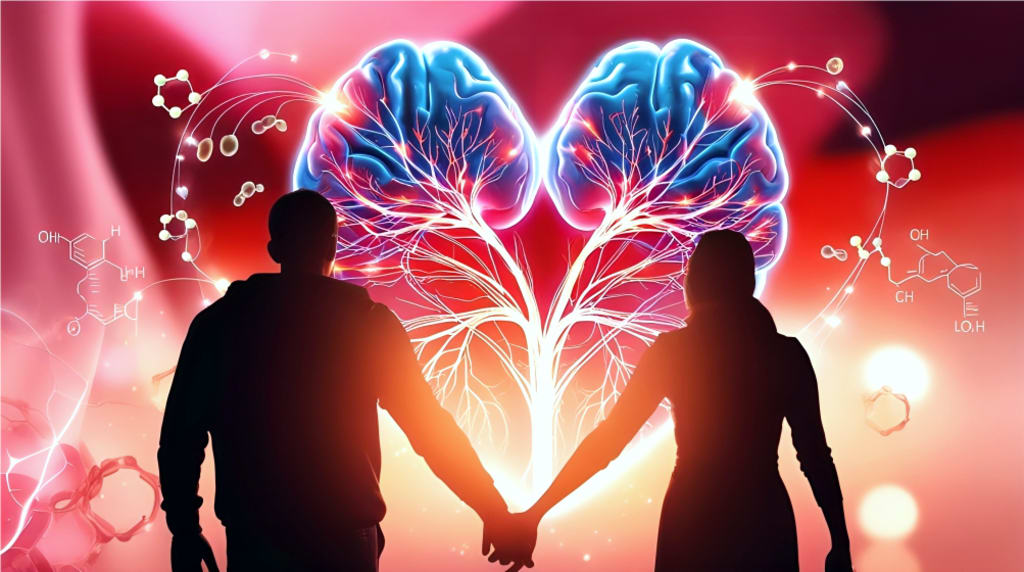
The Science of Love and Attraction
Love-the most profound, mysterious emotion that human beings undergo-is the inspiration behind many a poet, musician, and philosopher throughout the ages. Love is also deeply rooted in science, though. Understanding the biological, psychological, and sociological elements behind love and attraction can make us understand this complex emotion even more deeply. Let's delve into the science behind what makes us fall in love and feel connected to others.
What Is Love?
Love may be a feeling or a choice. It may also be a commitment. From the scientific view, it is a cocktail of emotion and physiological processes concocted by the brain and body. Generally, researchers break love into three stages: lust, attraction, and attachment. Both are steered by specific hormones and chemicals within the brain that perform different functions in how we connect with others.
Lust: This is the first stage of being in love, which has its basis in our prurient requirements to make babies. Testosterone and estrogen among other hormones will fuel the physical desire we feel towards another.
Attraction: This is what people discuss usually when they say, "falling in love". At this stage, chemicals of the brain like dopamine, norepinephrine, and serotonin begin to take over, creating feelings of euphoria and sometimes even obsession over the person of interest.
Attachment: Long-term love develops from the bond. Oxytocin, known as the "love hormone," and vasopressin promote attachment, trust, and emotional intimacy. Both chemicals are usually secreted in physical contact: hugging, holding hands, and sexual lovemaking.
The Role of the Brain
The central role that the brain plays in falling in love lies in a good reward system in the brain. This is involved in the feeling of pleasure and motivation. Here's how the brain works on love:
Dopamine: This is a neurotransmitter which has been suggested to be involved in pleasure and reward. When you like someone, dopamine peaks with the high levels of energy and euphoria that have a period of time with them.
Norepinephrine: Also called adrenaline, this neurotransmitter results in the increased heartbeat that creates the "butterflies in the stomach" often associated with love.
Serotonin: Levels of serotonin are often lower when a person is in the early stages of love. Perhaps this diminishment explains why people can become obsessed or even fixated on their love object.
Studies of brain imaging reveal that being in love works the same regions of the brain on which drug addiction works. Perhaps this explains why love can feel so intense and, on occasion, so overpowering.
Attraction: What Attracts Us to Others?
What is it that makes one attractive to another? According to many scientists, attraction has both biological, psychological, and cultural components.
1. Physical Appearance
Although love involves much more than the level on the surface, physical attraction is a large part of the connection-making process early on. Many features are considered attractive around the world, such as symmetrical faces, because they convey health and good genetics.
2. Similarity
People are generally attracted to others who possess shared values, interests, or even physical features. This has been sometimes termed the "similarity-attraction effect." Common experiences and similar aims or purposes may also increase attachments over time.
3. Proximity
Falling in love first begins by being in the same physical space with someone. The more time one spends with another, the more likely we tend to fall in love. This is known as the "mere exposure effect."
4. Odor
Perhaps surprisingly, scent is perhaps the most important attractant factor for people. Our "natural" body odors, influenced by our own genetic makeup of the immune system, unconsciously attract others. It has even been proven that people are attracted to the scent of other people who have different immune systems than their own because that could result in hardier offspring.
5. Behavior and Personality
Many people perceive confidence, humor, and kindness as real positives. These attributes describe a person who is emotionally balanced and compatible, both of which are criteria for long-term relationships.
The Role of Hormones
Hormones are the body's secret messengers that coordinate the physical sensations and emotional expressions of love or attraction. Some key hormones involved include
Oxytocin: Often termed the "bonding hormone," oxytocin is secreted during acts of intercourse. Oxytocin helps build trust and intensify the emotions between the two partners.
Testosterone and Estrogen: These hormones fuel the desire and passion during the beginning of a relationship.
Endorphins: Perhaps these are referred to as "feel-good" chemicals, which release feelings of comfort and happiness in long-term relationships.
Cortisol: This is unusual - the stress hormone, or cortisol levels are usually high at the start of love. This explains why people feel nervous excitement when meeting a new person.
The Psychology of Love
Psychologically, love depends on our past experiences, emotional needs, and even our attachment styles. Attachment theory, according to psychologist John Bowl by, says the type of attachment we exhibit with our caregivers while growing up influences how we attach ourselves in the long run, relating to adults. Attachment styles come mainly in three types:
Secure Attachment: People possessing a secure attachment style generally possess healthy and trusting relationships.
Anxious Attachment: People who have this attachment style tend to be anxious in love, and sometimes constantly need reassurance.
Avoidant Attachment: Avoidantly attached people might not even be close with others, valuing independence over intimacy.
Knowing your attachment style can help you out when relating to other people.
Culture of Love
Even though biology and psychology do a lot to contribute to the end, culture dictates how we are supposed to see love and attraction. For example:
- In some, love is expected to grow after marriage, so arranged marriages are common.
- For others, romantic love serves as the foundation of marriage.
- Cultural norms influence what people find attractive, from body types to clothing or social behaviors.
Media and society create our ideas of romance, often on an idealized scale that doesn't necessarily reflect reality.
The Science of Staying in Love
While falling in love is exciting, the process of staying in love requires effort and commitment. Studies showed that couples who communicate openly, find lots to be thankful for, and maintain physical and emotional intimacy last longer.
It can enrich the relationship when love partners practice empathy, conflicts are solved respectfully, and shared experiences are fostered. Finally, the passionate "honeymoon phase" of love tends to develop into a stronger and steadier connection based on trust and mutual support.
Love Beyond Romance
The fact that love is certainly not just the romantic kind should not be overlooked. Others include platonic love, familial love, and self-love-all contributing to emotional well-being. All of them develop their rich dimension in our lives by building relation and satisfaction.
Conclusion
It is a complicated mix of biology, psychology, and culture. Realizing that there must be some very real science to love and attraction doesn't take away any of that magic-but does make it all the more worth appreciating, whether in the pinging Dopamine rush of those heady early days of romance or the slow soothe of oxytocin pulling long-time flames into comfortable contented simmer. Love is a universal.
As science continues to explore the mysteries of love, one thing remains clear: love, in all its forms, is an essential part of being human. So whether you’re falling in love, nurturing a relationship, or simply reflecting on the connections in your life, remember that love is as much about science as it is about the heart.
About the Creator
Friendship with Books
Arslan and Rehan were very close friends. They studied in the same class and lived in the same neighborhood, which made their friendship even stronger. Despite being similar in age and environment, their interests were quite different. Rehan had a deep love for reading. He was not limited to his textbooks alone; instead, he eagerly read all kinds of books, including storybooks, history, general knowledge, and books full of interesting events. For Rehan, books were not just a habit—they were a way of life.
By Sudais Zakwan4 days ago in Education
5 Effective Digital Marketing Channels Brands Actually Use Today (A Practical Guide for Marketers)
Digital marketing channels define how brands reach, engage, and convert audiences online. In practice, most companies do not experiment endlessly. They focus on a small set of channels that reliably support growth goals such as visibility, demand generation, and retention.
By Iryna Podliesnaabout 23 hours ago in Education
TUS NUA - ch 49
TUS NUA – ch 49 New Beginnings – Mia and Midnight (*)(*)(*) As Mia spoke on the phone to Ali’s sister, Ellen, Finola slipped quietly away and walked to the stream behind Tus Nua. Carefully, she put a block on her family so no one could know what she was about to do.
By Margaret Brennan2 days ago in Fiction


Comments
There are no comments for this story
Be the first to respond and start the conversation.