
The Role of Nutrition in Mental Health: Foods That Boost Your Mood
Harnessing the Power of Nutrition to Support Mental Well-being

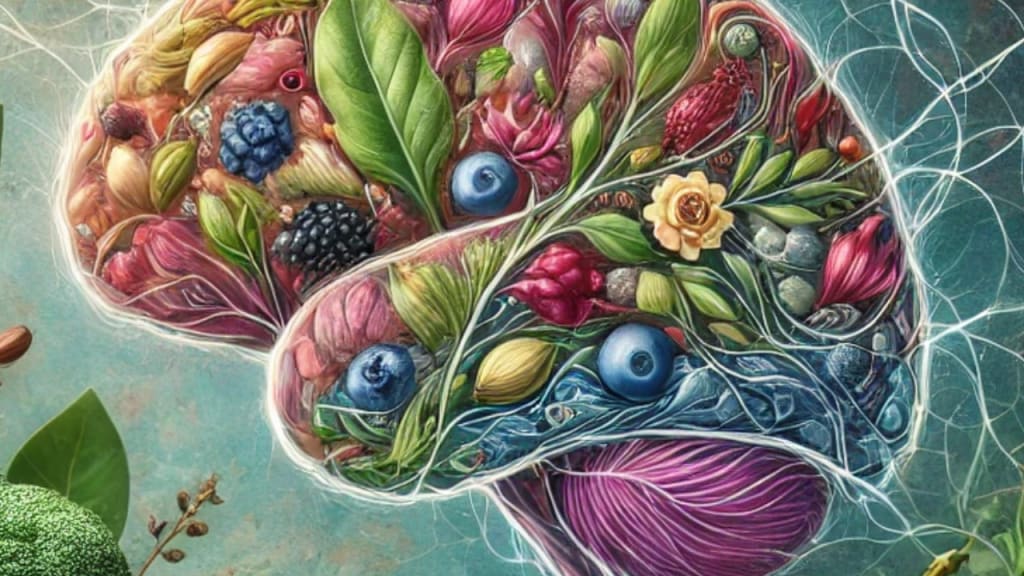
In recent years, the connection between what we eat and how we feel has gained significant attention. While it’s long been understood that diet plays a critical role in physical health, emerging research now underscores its profound impact on mental well-being. The foods we consume can influence our brain function, mood, and even our susceptibility to mental health issues such as depression, anxiety, and stress. Understanding this connection can empower us to make dietary choices that not only nourish our bodies but also support our mental health.
The Gut-Brain Connection
At the heart of the relationship between diet and mental health is the gut-brain axis, a complex communication network that links the emotional and cognitive centers of the brain with peripheral intestinal functions. The gut is often referred to as the “second brain” because it produces many of the same neurotransmitters that the brain does, including serotonin, which is known as the “feel-good” hormone. In fact, about 90% of the body’s serotonin is produced in the gut. This highlights how crucial gut health is to mental well-being.
Dietary choices can either support or disrupt this gut-brain connection. A diet rich in processed foods, sugar, and unhealthy fats can lead to inflammation, which negatively impacts both gut health and mental health. On the other hand, a diet that includes whole foods, rich in nutrients and beneficial bacteria, can promote a healthy gut environment, leading to improved mood and mental clarity.
Foods That Boost Mood
Several foods are particularly beneficial for mental health, thanks to their nutrient profiles. Here are some key foods that can help alleviate symptoms of depression, anxiety, and stress:
Fatty Fish: Rich in omega-3 fatty acids, fatty fish like salmon, mackerel, and sardines are known to reduce inflammation and improve brain function. Omega-3s are crucial for brain health and have been linked to lower levels of depression. They help to maintain the fluidity of brain cell membranes and support communication between brain cells, which is essential for regulating mood.
Dark Leafy Greens: Vegetables like spinach, kale, and Swiss chard are packed with nutrients like folate, which plays a vital role in the production of neurotransmitters, including serotonin and dopamine. Low levels of folate have been associated with depression, making dark leafy greens a key food group for mental health.
Berries: Blueberries, strawberries, and blackberries are rich in antioxidants, particularly flavonoids, which have been shown to improve brain function and reduce symptoms of depression. Antioxidants combat oxidative stress and inflammation in the brain, which are known contributors to mental health disorders.
Nuts and Seeds: Almonds, walnuts, flaxseeds, and chia seeds are excellent sources of magnesium, a mineral that plays a crucial role in brain function and mood regulation. Magnesium deficiency is common and has been linked to an increased risk of depression and anxiety. Including these nutrient-dense foods in your diet can help support mental well-being.
Fermented Foods: Foods like yogurt, kefir, kimchi, and sauerkraut are rich in probiotics, which are beneficial bacteria that support gut health. A healthy gut microbiome is essential for the production of neurotransmitters like serotonin, which influences mood and stress levels. Regular consumption of fermented foods can help maintain a healthy balance of gut bacteria, promoting mental health.
Whole Grains: Whole grains like oats, quinoa, and brown rice provide a steady release of glucose, the brain’s primary fuel source. This helps to maintain stable blood sugar levels, preventing mood swings and irritability. Additionally, whole grains contain fiber, which supports gut health, and B vitamins, which are essential for brain health and the production of neurotransmitters.
In a Nut Shell!
The connection between diet and mental health is a powerful reminder that what we eat affects more than just our physical health—it plays a crucial role in how we feel, think, and cope with life’s challenges. By incorporating mood-boosting foods into our diet, we can take proactive steps toward supporting our mental well-being. While diet alone may not be a cure for mental health disorders, it is an essential component of a holistic approach to mental wellness, working in synergy with other treatments and lifestyle choices to promote overall health and happiness.
About the Creator
MedMentor
As an online medical educator, I am passionate about empowering the community and healthcare professionals with accessible, comprehensive education infused with optimism.
Reader insights
Outstanding
Excellent work. Looking forward to reading more!
Top insight
Expert insights and opinions
Arguments were carefully researched and presented
Do you really need to take 10,000 steps a day?
While most people avoid spending the night in jail, Jean Béliveau jumped at the opportunity. For the past three years, Béliveau had been walking from country to country, with the goal of circumnavigating the globe on foot. This required sleeping in tents, strangers’ homes, and the occasional jail cell along the way. But this morning, as Béliveau was ready to leave, the police chief, who had agreed to his sleeping arrangement, was nowhere to be found, and the guards weren’t buying his story. Few people have the time or desire to walk such extreme lengths.
By Munesh Yadava day ago in Education
What’s the best position to sleep in?
In the 1970s, psychoanalyst Samuel Dunkell proposed a curious, albeit almost completely unsubstantiated, theory that the position you sleep in reflects your personality. For example, preferring to snooze in the so-called royal position indicated self-confidence, while sleeping semi-fetal meant you’re sensible and well adjusted. While Dunkell’s ideas lack any definitive proof, how we sleep can impact our health. So, what’s the best position to sleep in? Sleep positions go by countless creative names—
By Munesh Yadava day ago in Education


Comments (3)
Well done! 💯
So so amazing .i love your content and subscribed. Kindly reciprocate by subscribing to me also . thank you and keep it up
Awesome piece