
Nurturing Mental Wellbeing: A Journey to a Healthier Mind
Simple Strategies for Everyday Balance and Mental Wellbeing

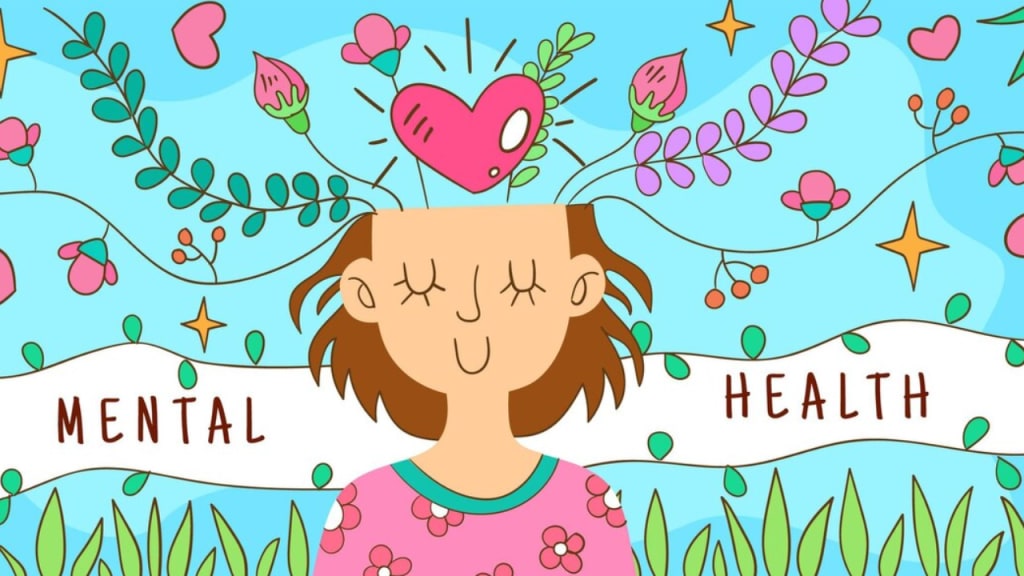
In our fast-paced, ever-changing world, mental wellbeing often takes a backseat. We’re constantly bombarded with deadlines, responsibilities, and the pressures of modern life. Yet, just as we care for our physical health, nurturing our mental wellbeing is crucial for leading a balanced, fulfilling life. Let’s delve into the importance of mental health and explore practical strategies to enhance it.
Understanding Mental Wellbeing
Mental wellbeing is more than just the absence of mental illness. It encompasses a state of emotional, psychological, and social well-being. It’s about how we think, feel, and act as we cope with life. Good mental health allows us to manage stress, relate to others, and make decisions. It's a vital component of overall health, influencing how we handle the highs and lows of life.
The Impact of Modern Life
Today’s society is a double-edged sword. While technological advancements and modern conveniences make life easier, they also contribute to increased stress and anxiety. The constant connectivity through social media, the pressure to succeed, and the lack of work-life balance can lead to burnout. It's essential to recognize these stressors and address them proactively.
Practical Strategies for Enhancing Mental Wellbeing
Mindfulness and Meditation:
Mindfulness is the practice of being present in the moment, aware of your thoughts and feelings without judgment. Meditation, a key tool for mindfulness, can reduce stress and improve focus. Even a few minutes a day can make a significant difference. Apps like Headspace and Calm provide guided meditations to help you get started.
Physical Activity:
Exercise is not only good for the body but also for the mind. Physical activity releases endorphins, the body's natural mood lifters. Whether it’s a brisk walk, a yoga session, or a workout at the gym, regular exercise can alleviate symptoms of depression and anxiety.
Healthy Eating:
There’s a strong connection between what we eat and how we feel. A balanced diet rich in fruits, vegetables, whole grains, and lean proteins can enhance mood and energy levels. Avoid excessive caffeine and sugar, which can lead to mood swings and energy crashes.
Adequate Sleep:
Sleep is the body’s natural way of healing and rejuvenating. Lack of sleep can exacerbate mental health issues. Aim for 7-9 hours of quality sleep per night. Create a relaxing bedtime routine, avoid screens before bed, and make your sleeping environment comfortable.
Social Connections:
Humans are inherently social beings. Building and maintaining strong relationships can provide emotional support and a sense of belonging. Spend time with loved ones, engage in community activities, and don’t hesitate to reach out when you need help.
Professional Help:
Sometimes, self-care strategies aren’t enough. Seeking help from a mental health professional can provide additional support. Therapists, counselors, and psychiatrists can offer guidance, therapy, and, if needed, medication to manage mental health conditions.
The Power of Positivity
Positive thinking doesn’t mean ignoring life’s challenges. It’s about approaching difficulties with a constructive mindset. Practice gratitude by acknowledging the good in your life, however small. Journaling can be a powerful tool to reflect on positive experiences and emotions.
The Role of Purpose
Having a sense of purpose and direction is vital for mental wellbeing. Engage in activities that align with your values and passions. Volunteering, pursuing hobbies, and setting personal goals can provide a sense of achievement and fulfillment.
Breaking the Stigma
One of the biggest barriers to mental wellbeing is the stigma associated with mental health issues. It’s essential to create an open dialogue about mental health, normalize seeking help, and support those struggling. Remember, it’s okay not to be okay, and seeking help is a sign of strength, not weakness.
Conclusion
Mental wellbeing is a continuous journey, not a destination. It requires ongoing effort and self-awareness. By incorporating mindfulness, physical activity, healthy eating, adequate sleep, strong social connections, and professional help into your life, you can foster a healthier mind and a more fulfilling life. Embrace the journey, be kind to yourself, and remember that taking care of your mental health is just as important as taking care of your physical health.
About the Creator
MedMentor
As an online medical educator, I am passionate about empowering the community and healthcare professionals with accessible, comprehensive education infused with optimism.



Comments (2)
Very good tips for mental well-being! I find it difficult to get 8 or 9 hours of sleep at night. 7 is usually what I get. Maybe I need to give up social media before bed. I have the reading glasses that are supposed to help with the blue light. I don't have trouble falling asleep but when 7 hours have gone by and sometimes a little time less than 7 I'm up and feeling pretty good. I used to sleep an easy 8 for many years. Thank you for the tip! ❤️💖
very insightful