
The Role of Gut Health in Weight Loss
How to Optimize Your Microbiome for Better Digestion and Weight Management

Introduction
Maintaining a healthy weight is important for overall health and well-being. However, weight loss can be challenging, and many people struggle to achieve their weight loss goals. In recent years, researchers have turned their attention to the role of the gut microbiome in weight management. The gut microbiome is a complex ecosystem of microorganisms that live in the digestive tract, and it plays a crucial role in many aspects of our health, including digestion, metabolism, and immunity. In this article, we will explore the role of gut health in weight loss and how we can optimize our microbiome for better digestion and weight management.
The Role of the Microbiome in Weight Loss
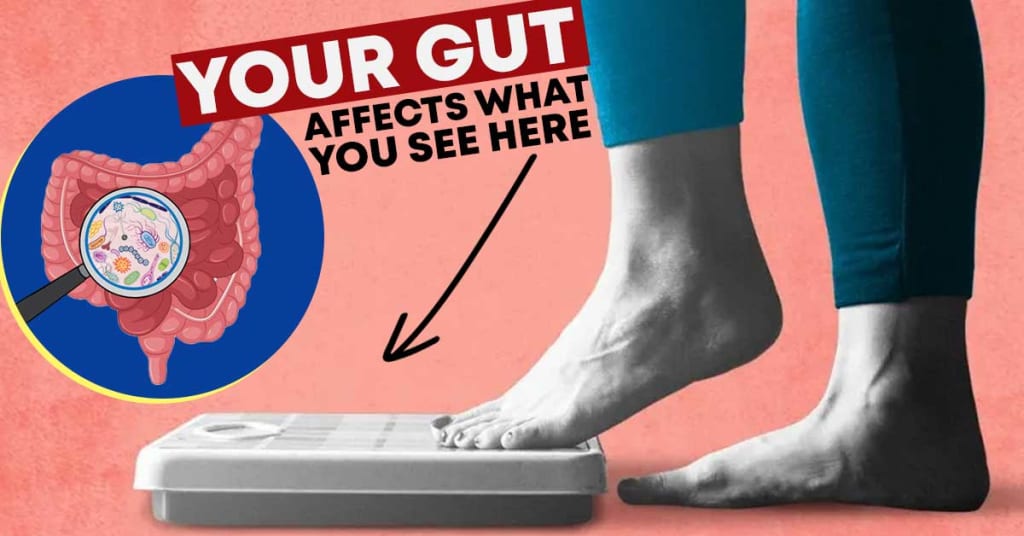
The gut microbiome is a diverse community of microorganisms that work together to help us digest food, absorb nutrients, and maintain a healthy immune system. Recent research has shown that the microbiome also plays a significant role in regulating our metabolism, appetite, and energy levels, which in turn can affect our weight.
One way that the microbiome affects weight loss is through its role in digestion. The microbiome helps break down food and absorb nutrients, which can affect how many calories we absorb from our food. Studies have shown that individuals with a diverse microbiome tend to absorb fewer calories from their food and have a lower risk of obesity than those with a less diverse microbiome.
Additionally, the microbiome plays a role in regulating our appetite and food cravings. Certain strains of bacteria in the gut produce hormones that affect our hunger levels and satiety, which can influence our food choices and portion sizes. Research has shown that individuals with an imbalanced microbiome may experience stronger food cravings and have a harder time controlling their appetite, which can lead to overeating and weight gain.
Finally, the microbiome also plays a role in regulating our metabolism. Studies have shown that certain strains of bacteria in the gut can affect how efficiently our body burns calories and stores fat. An imbalanced microbiome can lead to a slower metabolism and a higher risk of weight gain and obesity.
Optimizing Your Microbiome for Weight Loss
Now that we understand the role of the microbiome in weight loss, let's explore how we can optimize our gut health for better digestion and weight management.
1. Eat a Balanced and Diverse Diet:
Eating a balanced and diverse diet is one of the most effective ways to promote a healthy microbiome. A diet rich in fiber, fruits, vegetables, and whole grains provides the nutrients that the microbiome needs to thrive. Additionally, consuming a variety of foods helps promote a diverse microbiome, which has been linked to better weight management and a lower risk of obesity.
2. Limit Processed Foods and Sugar:
Processed foods and sugar can negatively impact the microbiome by promoting the growth of harmful bacteria and reducing the diversity of the microbiome. Consuming too much sugar can also lead to inflammation in the gut, which can affect digestion and metabolism. Limiting processed foods and sugar is an essential step in promoting a healthy microbiome and supporting weight loss.
3. Take Probiotics and Prebiotics:
Probiotics are live bacteria that can be beneficial for the gut microbiome. They are available in supplement form or can be found in fermented foods such as yogurt, kefir, and sauerkraut. Prebiotics are indigestible fibers that help feed the beneficial bacteria in the gut. They are found in foods such as garlic, onions, bananas, and whole grains. Taking probiotics and consuming prebiotic-rich foods can help promote a healthy microbiome and support weight loss.
4. Manage Stress:
Stress can have a negative impact on the microbiome by disrupting the balance of bacteria in the gut. Chronic stress has been linked to an imbalanced microbiome and a higher risk of weight gain and obesity. Managing stress through practices such as meditation, deep breathing, and regular exercise can help promote a healthy microbiome and support weight management.
5. Consult a Healthcare Professional:
It's important to note that individual responses to diet and lifestyle changes may vary. Consulting a healthcare professional, such as a registered dietitian or functional medicine practitioner, can be beneficial in developing a personalized plan for gut health and weight management. They can provide guidance on specific dietary changes, supplementation, and lifestyle modifications that may be most effective for your individual needs.
Conclusion
The gut microbiome plays a significant role in weight management, and optimizing gut health is an important step in achieving weight loss goals. Eating a balanced and diverse diet, limiting processed foods and sugar, taking probiotics and prebiotics, managing stress, and consulting a healthcare professional are all important steps in promoting a healthy microbiome and supporting weight management. By understanding the role of the microbiome in weight management, we can make informed decisions about our diet and lifestyle to support our overall health and well-being.
About the Creator
Keep reading
More stories from Donovan Helene and writers in Education and other communities.
Top 10 Weight Loss Supplements and How They Work
Losing weight can be a challenging process, and sometimes a little extra support is needed. Weight loss supplements are designed to help with weight loss by suppressing appetite, increasing metabolism, and reducing fat absorption. In this article, we will discuss the top 10 weight loss supplements and how they work.
By Donovan Helene3 years ago in Education
The Role of Problem-Solving in Building Successful Startups
In the world of entrepreneurship, vision and creativity often take center stage. However, behind every thriving startup is something more fundamental: the founder’s ability to solve problems quickly and effectively. While innovative ideas spark business beginnings, it’s the consistent use of strategic thinking that propels ventures forward, especially when challenges arise unexpectedly.
By Greg Warnock2 days ago in Education
Alone but Empowered: A Beginner’s Journey Into Solo Travel
Solo travel is more than just a trip; it is an opportunity to explore the world on your own terms. For beginners, traveling alone can feel both thrilling and a little intimidating. Without a companion, every choice—from where to stay to what activities to try—is yours alone. While that level of independence can be intimidating at first, it also makes solo travel deeply rewarding. It allows for self-discovery, flexibility, and a freedom that group travel cannot always provide. With proper preparation, anyone can enjoy a safe and unforgettable solo adventure.
By Evan Weiss St Louis3 days ago in Education


Comments
There are no comments for this story
Be the first to respond and start the conversation.