
The Role of Fans and Media in Glorifying Drug Addiction in Music
This article is about The Role of Fans and Media in Glorifying Drug Addiction in Music
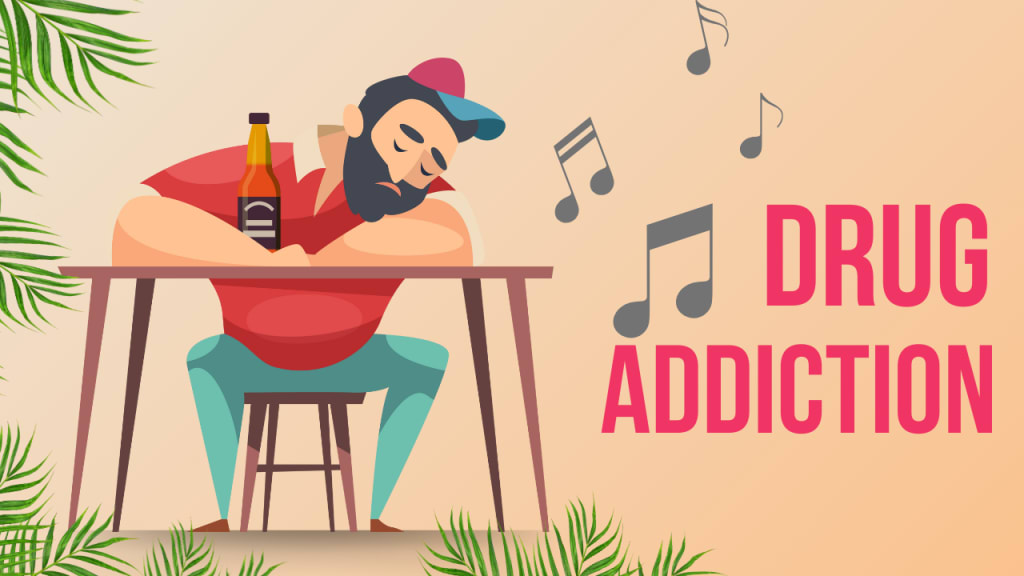
The music industry has long been intertwined with tales of rebellion, excess, and self-destruction. For decades, fans and media have played a significant role in shaping the narrative surrounding artists’ struggles with drug addiction. While some raise awareness and advocate for recovery, others glorify the lifestyle, perpetuating a harmful cycle that normalizes substance abuse in the industry. This article delves into how fans and media contribute to the romanticization of drug addiction in music, the consequences of this portrayal, and how these perceptions can shift to encourage healthier narratives.
A Historical Glimpse at the Glorification of Addiction
Drug addiction’s association with music is far from new. From the jazz musicians of the 1920s and 1930s using heroin to cope with grueling schedules to the psychedelic experiments of the 1960s rock scene, substance use has often been glamorized as part of the "creative process." Artists like Jimi Hendrix, Janis Joplin, and Jim Morrison became icons of countercultural rebellion, and their drug use was seen as an extension of their genius.
The 1990s grunge movement, led by figures like Kurt Cobain, further cemented the association between pain, addiction, and artistic authenticity. Cobain’s heroin use and tragic death at 27 made him a martyr in the eyes of many fans, who viewed his addiction as an inevitable byproduct of his brilliance. Similarly, in the hip-hop world, artists often narrate their experiences with drug culture, sometimes reflecting on the harsh realities, but occasionally glorifying the lifestyle.
Fans and media have frequently amplified these narratives, romanticizing artists' struggles and contributing to a dangerous cycle where addiction is not only normalized but celebrated.
How Fans Contribute to Glorification
Idolization of “Tortured Artists”
Fans often hold a deep fascination with the "tortured artist" archetype—a creator whose pain fuels their art. This narrative suggests that suffering, including drug addiction, is integral to producing meaningful work. Many fans believe that an artist's struggles add authenticity to their music, inadvertently encouraging a dangerous belief that addiction is a necessary price for greatness.
This idolization can manifest in fans emulating their favorite artists' lifestyles. For example, the “27 Club”—a list of artists who died at 27 from drug-related causes, including Cobain, Hendrix, and Amy Winehouse—has become a macabre badge of honor in pop culture. Some fans glorify these figures, overlooking the devastating personal and societal consequences of their addictions.
Social Media Amplification
In the digital age, fans wield significant power in shaping an artist’s public image. Platforms like Instagram, Twitter, and TikTok enable fans to share and perpetuate content that glorifies drug use, such as memes romanticizing an artist’s “wild side” or videos celebrating their most chaotic moments. This can reinforce unhealthy behaviors by making addiction seem glamorous or even aspirational.
The Media’s Role in Perpetuating Harmful Narratives
Sensationalized Reporting
The media has a long history of sensationalizing artists' struggles with addiction. Tabloids and entertainment news outlets often prioritize shocking headlines over nuanced discussions about the realities of substance abuse. When an artist spirals into addiction, their struggle is frequently reduced to a spectacle for public consumption rather than a serious issue requiring empathy and intervention.
For instance, during Amy Winehouse’s well-documented battle with addiction, media outlets often ridiculed her behavior rather than addressing the underlying mental health issues. Headlines focused on her erratic performances and physical deterioration, creating a narrative that dehumanized her and minimized the complexity of addiction.
Romanticizing the “Rebel Lifestyle”
The media frequently glorifies artists who defy societal norms, equating drug use with freedom, creativity, and rebellion. Movies, documentaries, and biographies often portray addiction as an intrinsic part of the artist’s journey, emphasizing the highs of their career while glossing over the devastating consequences of their substance abuse.
The Consequences of Glorification
Normalization of Addiction
When fans and media romanticize addiction, they contribute to its normalization. This can lead to a broader societal acceptance of substance abuse as an inevitable aspect of the music industry. Aspiring musicians may feel pressured to adopt similar lifestyles, believing that addiction is part of achieving success.
Stigma Around Recovery
The glorification of addiction often comes at the expense of recovery narratives. Artists who overcome addiction are sometimes perceived as less “authentic” or creative, perpetuating the myth that sobriety diminishes artistic output. This stigma can discourage musicians from seeking help, fearing that recovery might alienate their fan base or harm their careers.
Devastating Personal Impacts
The romanticization of addiction overlooks the harsh realities faced by artists. Substance abuse often leads to deteriorating physical and mental health, financial instability, and fractured relationships. Glorifying this lifestyle obscures these consequences, making it harder for fans to recognize the need for change.
Shifting the Narrative: A Call to Action
Elevating Recovery Stories
Fans and media have the power to redefine how addiction is perceived in the music industry. By celebrating recovery stories and highlighting the courage it takes to overcome addiction, they can inspire positive change. Artists like Demi Lovato and Elton John, who have openly shared their journeys to sobriety, serve as powerful examples of resilience
Promoting Mental Health Awareness
Substance abuse often stems from untreated mental health issues. Fans and media can play a crucial role in destigmatizing mental health struggles and advocating for accessible resources. This includes supporting artists who speak openly about their challenges and pushing for systemic changes within the industry.
Encouraging Responsible Media Practices
Journalists and content creators must strive for balanced reporting that humanizes artists and addresses the complexities of addiction. This means avoiding sensationalized language, providing context about the challenges of recovery, and emphasizing the importance of support systems.
Holding the Industry Accountable
Ultimately, the music industry itself must take responsibility for its role in perpetuating addiction. Fans and media can advocate for structural changes, such as better support for artists’ mental health, mandatory counseling services, and substance abuse prevention programs.
Conclusion
The glorification of drug addiction in the music industry is a multifaceted issue that requires a collective effort to address. Fans and media hold immense power to shape cultural narratives, and by choosing to celebrate resilience over recklessness, they can foster a healthier and more compassionate environment for artists. Addiction is not a badge of honor or a necessary ingredient for creativity—it is a complex challenge that demands understanding, empathy, and action.
About the Creator
Keep reading
More stories from delivermytune and writers in Education and other communities.
Leveraging Online Tools to Create a Music Industry Resume That Stands Out
In today’s digital age, crafting a standout music industry resume has become more accessible than ever, thanks to an array of online tools designed to streamline the process. Whether you’re an aspiring producer, an experienced sound engineer, or a new graduate breaking into the industry, these tools can help you create a polished and professional resume that sets you apart from the competition. This comprehensive guide will explore how to use online resources effectively to craft a resume that resonates with hiring managers in the music industry.
By delivermytuneabout a year ago in Education
The 1943 Copper Cent vs. The 1944 Steel Penny: How to Spot the Legendary Mistakes
For over eight years as a Senior Numismatic Analyst, few questions ignite the passion of a collector like the legends of the 1943 Copper Cent and the 1944 Steel Penny. These coins represent the most famous mint errors in American history, born from the unprecedented material shifts of World War II. I've examined countless coins brought to me with hope, only to find they were clever counterfeits. The truth is, genuine examples of these errors are extraordinarily rare, but knowing exactly what to look for is the first step from fantasy to fact. This guide will cut through the myths and give you the concrete, professional methods to understand and identify these numismatic legends.
By Laura Bennett3 days ago in Education
The Core of Command: How Training, Tactics, and Character Shape Military Leaders
Military leadership is not about titles or authority alone; it is about the ability to influence, inspire, and execute with purpose. Commanders are made through intentional development, relentless training, and personal reflection. Their growth as leaders is built on three essential pillars: structured training, tactical excellence, and a strong moral compass. These elements work together to create individuals who can lead teams in high-pressure environments with clarity, confidence, and conviction.
By Eric Schnabel5 days ago in Education



Comments
There are no comments for this story
Be the first to respond and start the conversation.