
The Role of Education in Society: Past, Present, and Future
This article examines the past, present, and future of the role of education in society.

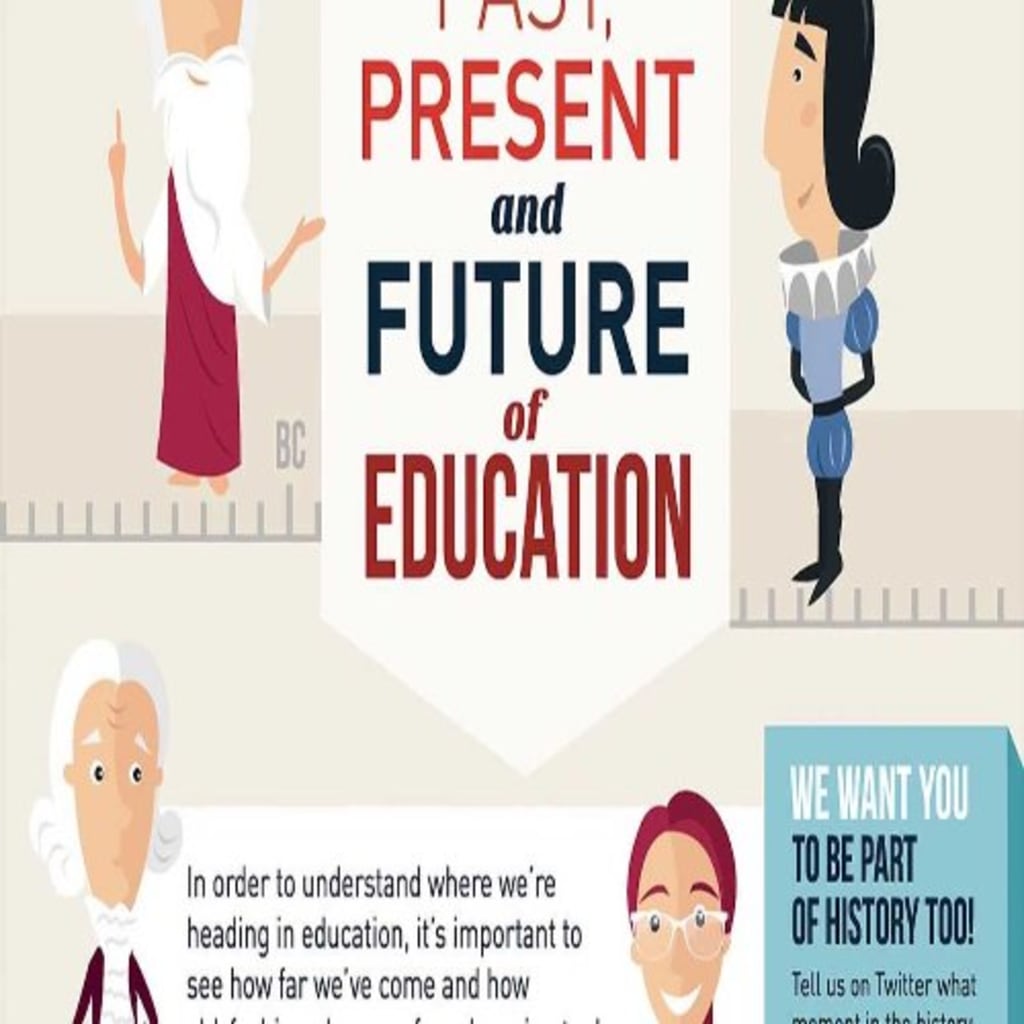
Education has played an important role in society since ancient times. It was a means by which individuals acquired knowledge, skills, and values to help them progress and contribute to society. This article examines the role of education in society and examines its past, present, and future.
The past
In ancient civilizations such as Greece, Rome, and China, education was reserved for a privileged few. It was not until the Middle Ages that education became more widely available and universities were established throughout Europe. However, education was still largely the prerogative of wealthy men. The role of education was primarily to train individuals for religious or political roles.
Education became increasingly important during the Industrial Revolution as society transitioned to an economy dependent on a skilled workforce. The education system has evolved into primary schools, secondary schools, and colleges. The public became more accessible to education and literacy increased.
The present
Education is now recognized as a basic human right and is mandatory in many countries. The role of education expands beyond its traditional purpose of imparting knowledge and skills. It is now seen as promoting social justice, equality, and economic growth. The education system is designed to prepare individuals for the demands of the modern world with an emphasis on science, technology, engineering, and mathematics (STEM) subjects.
However, today's education system faces challenges. Education is not yet accessible to all, and quality and resources vary between schools and regions. The emphasis on STEM subjects has marginalized the humanities and the pressure to achieve academic success has led to high stress levels and mental health issues among students.
The future
The role of education in the future will evolve to meet the demands of a changing world. Emphasis is placed on developing critical thinking, problem-solving, and creativity. Another focus is teaching students how to navigate the digital world and understand the impact of technology on society. Education systems are becoming more individualized with a focus on individual learning styles and needs. It will also be more inclusive with a focus on making education accessible to all, regardless of background or situation.
In addition to the development of education in the past, present, and future, it is also important to consider the wider social impact of education.
An important aspect of the role of education in society is its impact on social mobility. Education used to be a means for individuals to improve their social status and improve their social status. However, access to education has not always been equal, and education systems have perpetuated social inequalities.
For example, in many countries, students from low-income families and marginalized communities may not have the same opportunities for quality education as their more affluent peers. Today, attempts are being made to address these inequalities and promote social mobility through education. Programs such as scholarships, affirmative action, and mentoring programs aim to level the playing field and provide more opportunities for disadvantaged students.
Another important aspect of education's role in society is its impact on economic growth. Education is considered a key component of economic development as it helps create a skilled workforce and foster innovation and entrepreneurship. As the global economy becomes more and more knowledge-based, educating people to prepare them for the world of work is more important than ever. However, the education system does not always keep up with the needs of the labor market. Many students graduate with less-demanded degrees, leading to underemployment and mismatches between skills and employment opportunities.
In the future, education must be more responsive to the needs of the labor market and provide students with the skills and knowledge they need to succeed in the modern economy.
Finally, the role of education in society goes beyond the classroom. Education is also a means of promoting social values and civic participation. Schools play an important role in shaping young people's attitudes and values, and education helps promote social cohesion and democracy.
In Conclusion, Education has played an important role in society throughout history, and its importance will only increase in the future. As societies evolve, so does the role of education. It must adapt to the needs of a changing world and meet the challenges facing today's education system. However, the basic purpose of giving individuals knowledge, skills, and values that can contribute to society has not changed.
About the Creator
George Kanuse Selvan S
Article writer
Keep reading
More stories from George Kanuse Selvan S and writers in Education and other communities.
The Significance of Passionate Insights in Authority
Enthusiastic insights, or EQ, is the capacity to recognize and oversee feelings in oneself and others. It is getting to be progressively imperative within the work environment, especially in administration positions. Investigate appears that pioneers with tall levels of EQ are more successful at overseeing groups, communicating with workers, and accomplishing organizational goals. In this article, we are going talk about the significance of passionate insights into authority and how it can be created.
By George Kanuse Selvan S3 years ago in Education
How Global Experiences Shape Smarter, More Creative Leaders
Leadership today demands more than experience and technical skill. It requires imagination, empathy, and the ability to see problems from new angles. One of the most potent ways leaders develop these qualities is through travel. When leaders step outside familiar routines, they gain insight that books and meetings cannot offer. Exposure to new cultures, environments, and ways of thinking shows clearly how creative leadership through travel can unlock ideas that change how leaders think, decide, and inspire others.
By Nathalie Kyriakou3 days ago in Education
Can You Really Earn Money With Transcription? The Real Income Reality
The short answer is yes—you can earn money with transcription. But the more honest, useful answer is this: transcription only becomes worthwhile when you understand how the income actually works, not how it’s often presented online.
By Mahesh Kumar4 days ago in Education


Comments
There are no comments for this story
Be the first to respond and start the conversation.