
The Role of Certifications in Music Marketing: A Guide
This article is about The Role of Certifications in Music Marketing: A Guide

In the highly competitive world of music, where artists constantly vie for attention in a saturated market, certifications have emerged as a powerful tool in marketing and branding strategies. Achieving a Gold, Platinum, or Diamond certification is more than just a symbolic milestone—it’s a statement of an artist’s credibility, popularity, and commercial success. This guide explores the significance of music certifications in marketing, providing insights into how artists, record labels, and marketers leverage them to amplify an artist's presence and boost their career.
What Are Music Certifications?
Music certifications are awards granted by organizations like the Recording Industry Association of America (RIAA) in the United States or the British Phonographic Industry (BPI) in the UK. These certifications recognize a music recording’s sales and/or streaming milestones. For example:
Gold Certification: Recognizes 500,000 units sold in the U.S.
Platinum Certification: Celebrates 1,000,000 units sold.
Diamond Certification: Reserved for recordings that reach 10,000,000 units sold.
With the advent of streaming, the methods for calculating these certifications have evolved. In the U.S., for instance, the RIAA includes 1,500 on-demand streams as equivalent to one album sale. This shift underscores the growing importance of digital platforms in the certification process.
Certifications as a Marketing Tool
Certifications are more than a pat on the back for an artist—they’re a critical element of marketing campaigns. Here’s how they are used effectively:
1. Establishing Credibility and Authority
For emerging and established artists alike, certifications act as a benchmark of success. A Gold or Platinum record immediately signals to fans, industry stakeholders, and the media that the artist has achieved a significant milestone. This credibility can:
Attract Media Attention: Certifications often lead to features in industry publications, further amplifying the artist's reach.
Influence Booking Decisions: Event organizers and promoters are more likely to book certified artists for high-profile gigs and festivals.
Enhance Label Negotiations: Certified artists have more leverage when negotiating contracts or renewals.
2. Amplifying Fan Engagement
Fans play a pivotal role in driving certifications, especially in the streaming era. Artists and their marketing teams often use certifications as a rallying cry to mobilize fanbases. Strategies include:
Social Media Campaigns: Announcing the approach of a milestone (e.g., “Help us go Platinum!”) can energize fans to stream or purchase the artist's music more frequently.
Exclusive Rewards: Offering limited-edition merchandise, meet-and-greet opportunities, or exclusive content upon achieving certification encourages fans to participate actively.
Celebratory Announcements: Sharing the certification achievement online fosters a sense of community and pride among fans, further solidifying their loyalty.
3. Boosting Public Relations Efforts
Certifications are excellent for PR. They provide artists and their teams with an opportunity to create a buzz around their music. Press releases announcing certifications often include details about the artist’s journey, album significance, and other promotional highlights. This visibility:
Attracts Brand Partnerships: Certified artists are seen as valuable partners for brands looking to reach specific demographics.
Elevates Industry Recognition: Certifications can lead to nominations for prestigious awards, further enhancing the artist's profile.
4. Reinforcing Streaming and Sales Momentum
When an artist achieves a certification, it can trigger a domino effect of increased sales and streams. For instance:
Renewed Interest in Older Catalogs: Fans and casual listeners might revisit the artist's previous works, leading to a spike in streams for older albums or singles.
Playlist Inclusions: Certified tracks are more likely to be featured on popular playlists, which exposes the music to new audiences.
Viral Trends: Certifications often inspire TikTok challenges, memes, or other viral content, further increasing visibility.
Case Studies: Successful Use of Certifications in Marketing
1. BTS and ARMY Mobilization
The global phenomenon BTS often leverages certifications to engage their massive fanbase, ARMY. When their singles achieve Platinum or Gold status, the group and their team share the news widely on social media, prompting fans to celebrate and promote the music further. This cycle of recognition and fan engagement has helped BTS break numerous records globally.
2. Adele’s Album Campaigns
Adele’s marketing team has masterfully used certifications to sustain interest in her music. For example, when her album 25 received Diamond certification, it was accompanied by a media blitz that included interviews, performances, and social media celebrations. This strategy kept the album in the public eye for months.
3. Olivia Rodrigo’s “SOUR” Era
When Olivia Rodrigo’s debut album SOUR achieved multiple certifications, her team capitalized on the momentum by releasing behind-the-scenes content, launching limited-edition merchandise, and collaborating with brands. This comprehensive marketing approach cemented her status as a breakout star.
Challenges and Criticisms of Certifications
While certifications are undeniably valuable, they are not without controversy. Some challenges include:
Streaming Manipulation: Critics argue that some teams inflate streaming numbers through bots or incentivized playlists, leading to questionable certification achievements.
Overemphasis on Numbers: Focusing on certifications can sometimes overshadow artistic integrity, as artists may prioritize commercially viable content over experimental or personal projects.
Despite these challenges, certifications remain a powerful symbol of success in the industry.
How Independent Artists Can Leverage Certifications
For independent artists, certifications might seem out of reach, but they are achievable with strategic planning:
Focus on Streaming Platforms: Independent artists should concentrate on building a strong presence on platforms like Spotify, Apple Music, and YouTube.
Collaborate with Influencers: Partnering with influencers who can promote their music can significantly boost streams.
Engage Fans Directly: Indie artists can use social media to connect with their audience, encouraging them to stream, purchase, and share their music to achieve milestones.
Conclusion
Certifications are much more than shiny plaques—they are invaluable tools for marketing, fan engagement, and career advancement. By understanding their role and effectively incorporating them into marketing strategies, artists and their teams can amplify their reach, build stronger connections with their audiences, and achieve sustained success in the competitive music industry. Whether you’re a global superstar or an up-and-coming indie artist, certifications can be the key to unlocking new opportunities and elevating your career.
About the Creator
Keep reading
More stories from delivermytune and writers in Education and other communities.
The Rise of Virtual Concerts and the Digital Music Industry
The digital music industry has experienced seismic shifts in recent years, with one of the most significant changes being the rise of virtual concerts. These online events, which initially emerged as niche experiments, have grown into a mainstream phenomenon. The COVID-19 pandemic accelerated this trend as live music venues shuttered and artists sought new ways to connect with their audiences. Virtual concerts have since evolved into a thriving sector, offering unique opportunities for artists, fans, and the music industry at large.
By delivermytuneabout a year ago in Education
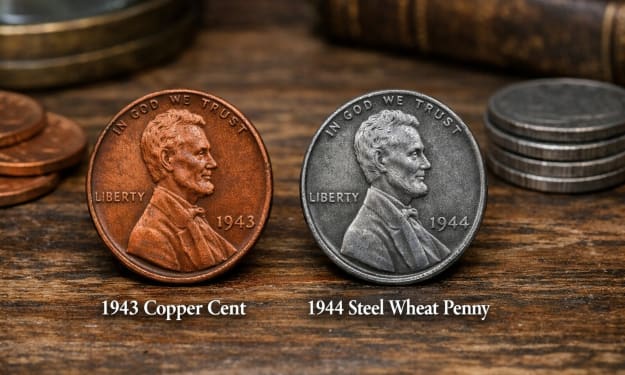
The 1943 Copper Cent vs. The 1944 Steel Penny: How to Spot the Legendary Mistakes
For over eight years as a Senior Numismatic Analyst, few questions ignite the passion of a collector like the legends of the 1943 Copper Cent and the 1944 Steel Penny. These coins represent the most famous mint errors in American history, born from the unprecedented material shifts of World War II. I've examined countless coins brought to me with hope, only to find they were clever counterfeits. The truth is, genuine examples of these errors are extraordinarily rare, but knowing exactly what to look for is the first step from fantasy to fact. This guide will cut through the myths and give you the concrete, professional methods to understand and identify these numismatic legends.
By Laura Bennett3 days ago in Education
The Core of Command: How Training, Tactics, and Character Shape Military Leaders
Military leadership is not about titles or authority alone; it is about the ability to influence, inspire, and execute with purpose. Commanders are made through intentional development, relentless training, and personal reflection. Their growth as leaders is built on three essential pillars: structured training, tactical excellence, and a strong moral compass. These elements work together to create individuals who can lead teams in high-pressure environments with clarity, confidence, and conviction.
By Eric Schnabel5 days ago in Education



Comments
There are no comments for this story
Be the first to respond and start the conversation.