
Humanizing HR Tech: The Balance Between Automation and Empathy
HRMS

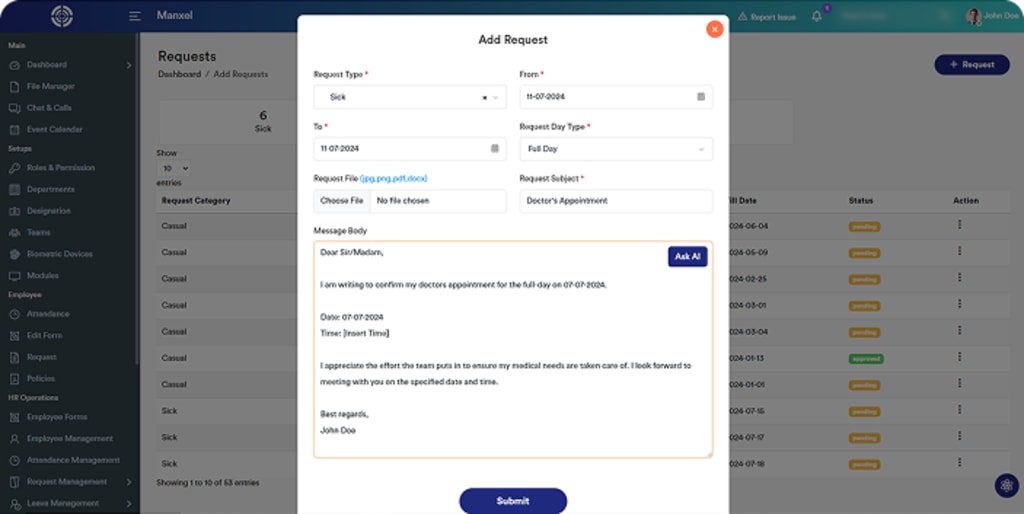
One of the most common concerns about HRM systems is that they might depersonalize the workplace. After all, replacing face-to-face interactions with digital forms and workflows can feel cold or transactional. But the best HRM systems don’t replace human interaction—they enhance it.
How HRM Enhances Human Connections:
Frees Up Time for Conversations: With fewer spreadsheets to update and less paperwork to file, HR professionals have more time for coaching, mentoring, and culture-building.
Data-Informed Conversations: Performance reviews, promotions, and conflict resolution become more objective and fair with transparent metrics at hand.
Feedback at Scale: Pulse surveys and anonymous feedback tools help leaders understand employee sentiment and act before morale dips.
When used correctly, HRM systems help people feel heard, valued, and aligned with the organization’s mission—not just managed.
Leadership and HRM Systems: A New Era of People-Centric Management
HRM systems are no longer confined to the HR department—they’re increasingly being used by team leads, project managers, and C-suite executives.
How Leaders Use HRM Systems:
Talent Visibility: Identify top performers and high-potential employees across departments.
Succession Planning: Track skill development to prepare future leaders.
Data-Driven Culture: Establish transparency, fairness, and accountability through metrics.
Leaders today are expected to be people-first and performance-oriented—a balance made possible by the insights HRM systems provide.
Globalization and HRM: Managing Multinational Teams with Ease
Global teams are now the norm, not the exception. HRM systems play a key role in bridging time zones, languages, and labor laws.
Key Features for Global Teams:
Multilingual Interfaces: Employees can interact with the system in their native language.
Regional Compliance Modules: Stay aligned with laws in the EU, US, Asia, and the Middle East simultaneously.
Cross-Border Payroll: Manage compensation in multiple currencies and tax jurisdictions.
Virtual Collaboration Tools: Integrated calendars, messaging, and video support.
Whether it’s a remote developer in Bangladesh or a field agent in Germany, HRM systems unify everyone under a cohesive digital HR ecosystem.
The Psychological Impact of Great HRM Systems
Great workplaces understand the psychology of work. HRM systems now include features that align with the four core psychological needs of employees:
Psychological Need HRM Feature Example
Autonomy Self-service portals for leave, pay, training
Competence Skill tracking, learning paths, progress badges
Relatedness Social recognition, internal communities
Purpose Goal alignment tools, impact reporting
By aligning tech tools with psychological needs, companies can dramatically improve engagement, motivation, and retention.
From Data to Culture: Using HRM Insights to Shape Company Identity
One of the most underused aspects of HRM systems is their ability to inform and shape workplace culture.
For example:
High absenteeism might point to poor work-life balance.
Frequent exit interviews citing “lack of growth” can trigger learning initiatives.
DEI dashboards can reveal unconscious biases in hiring or promotions.
Culture isn’t just created—it’s measured, tracked, and improved with the help of intelligent HR systems. Leaders who embrace this insight can foster a values-driven, high-performance culture rooted in evidence, not assumptions.
Bonus: 7 Questions to Ask Before Buying an HRM System
Before you invest in an HRM platform, sit down with your team and ask:
What is our biggest current HR bottleneck?
What is our employee headcount now—and in 2 years?
Do we need a system that supports multiple regions or time zones?
Which systems (payroll, CRM, ERP) must this integrate with?
Who will lead the implementation internally?
What level of support/training will we need?
How will we measure ROI from this system?
These questions will help you make an informed, future-proof decision.
The ROI of HRM Systems: Tangible Business Benefits
Still on the fence? Consider the tangible returns organizations report after implementing HRM systems:
Benefit Avg. Improvement Seen
Payroll processing time ↓ 70%
Employee onboarding speed ↑ 60%
HR administrative costs ↓ 30–50%
Retention rate ↑ 20–40% (with better engagement tracking)
Time to hire ↓ 40% (with ATS automation)
This makes HRM not just an operational investment—but a strategic one that boosts efficiency, retention, and profit margins.
HRM Systems and Sustainability: The Paperless HR Office
With ESG (Environmental, Social, Governance) initiatives becoming a priority, HRM systems help reduce carbon footprints by:
Eliminating paper-based processes
Reducing travel with virtual onboarding/interviews
Supporting remote work and flexible schedules
Generating digital contracts, payslips, and records
Companies committed to sustainability and digital transformation will find HRM systems an essential part of their green strategy.
About the Creator
Ejaz Hussain
Email marketing | SEO |Blog
Keep reading
More stories from Ejaz Hussain and writers in Education and other communities.
Redefining the Workplace: How HRM Systems Are Revolutionizing Human Resource Management
In the age of digital disruption, where agility and data-driven decisions define success, Human Resource departments are no longer confined to administrative roles. Instead, they’re becoming strategic partners in business growth—and at the center of this transformation is the Human Resource Management System (HRM System).
By Ejaz Hussain7 months ago in Education
A brief history of alcohol
This chimpanzee stumbles across a windfall of overripe plums. Many of them have split open, drawing him to their intoxicating fruity odor. He gorges himself and begins to experience some… strange effects. This unwitting ape has stumbled on a process that humans will eventually harness to create beer, wine, and other alcoholic drinks. The sugars in overripe fruit attract microscopic organisms known as yeasts. As the yeasts feed on the fruit sugars they produce a compound called ethanol— the type of alcohol in alcoholic beverages.
By Munesh Yadava day ago in Education
The Lean Advantage: How Small Improvements Create Massive Business Wins
In today’s fast-moving market, businesses don’t always need massive overhauls to see major growth. The real competitive advantage often comes from Lean process improvement—small, consistent changes that reduce waste, improve speed, and strengthen customer value. With a proactive approach, companies can spot inefficiencies early, prevent recurring problems, and build smarter systems before minor issues become costly setbacks.
By Duke Valentour2 days ago in Education
Smart phones, Humans and Aliens.
WARNING. I will be tapping into one of your favorite creative tensions: The absurdity of humans worshipping their glowing rectangles as if they were tiny oracles. There’s something deliciously poetic about that contradiction, and it lends itself beautifully to an instructive proviso.
By Novel Allen5 days ago in Poets


Comments
There are no comments for this story
Be the first to respond and start the conversation.