
The rise of NFTs and how they're changing the art world
The rise of NFTs


Over the past few years, Non-Fungible Tokens (NFTs) have risen in popularity and gained significant attention in the art world. NFTs are unique digital assets that are verified using blockchain technology, providing proof of ownership and authenticity. NFTs have transformed the art world, allowing artists to sell their digital creations for significant sums of money while enabling collectors to own and trade unique digital assets.
The rise of NFTs has been accompanied by controversy, with some critics suggesting that they represent a bubble that will eventually burst. However, regardless of whether or not NFTs are here to stay, they have already had a significant impact on the art world and are changing the way artists and collectors interact with each other.
One of the most significant changes brought about by NFTs is the ability for artists to monetize their digital creations. Prior to the rise of NFTs, it was challenging for artists to sell their digital work. This was because digital art could be easily duplicated and distributed without permission, making it difficult for artists to establish ownership and control over their work. With NFTs, artists can now sell their digital creations with the assurance that they will receive a share of any future sales, and that their work is unique and cannot be duplicated.
This newfound ability for artists to monetize their digital work has led to a surge in interest in NFTs from artists and collectors alike. Some artists have sold their NFTs for millions of dollars, with the highest-selling NFT to date being a digital artwork by the artist Beeple, which sold for $69 million at a Christie's auction in March 2021. This sale was a significant moment in the history of NFTs, as it demonstrated that digital artwork could be just as valuable as physical artwork.

NFTs have also changed the way collectors interact with art. With NFTs, collectors can own and trade unique digital assets, allowing them to build digital collections that are just as valuable as physical collections. This has opened up a new market for collectors who may not have been interested in physical art in the past, as they can now own and trade digital assets that are unique and one-of-a-kind.
Furthermore, NFTs have created a new level of transparency and authenticity in the art world. The blockchain technology used to verify NFTs provides a permanent and unalterable record of ownership and provenance, ensuring that the authenticity of a work of art can be verified beyond a doubt. This has the potential to reduce fraud in the art world, making it more difficult for forgers to create fake artworks and pass them off as genuine.

However, there are also concerns about the impact of NFTs on the art world. Some critics argue that NFTs represent a bubble that will eventually burst, and that the high prices being paid for NFTs are not sustainable in the long term. Others worry that the rise of NFTs will further exacerbate inequality in the art world, as only a small number of artists are able to sell their NFTs for significant sums of money.
There are also concerns about the environmental impact of NFTs. The blockchain technology used to verify NFTs requires significant amounts of energy, leading to concerns about the carbon footprint of NFTs. Some artists and collectors have chosen to boycott NFTs due to these environmental concerns, while others are working to develop more sustainable alternatives.
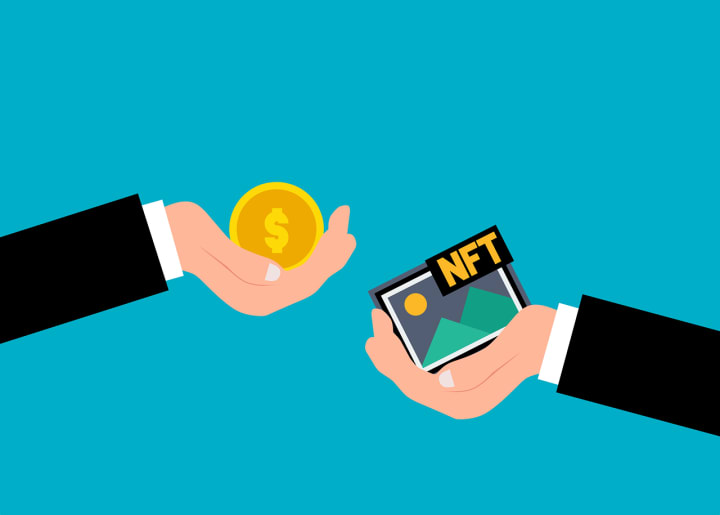
Despite these concerns, NFTs are here to stay, at least in the short term. The ability for artists to monetize their digital creations has opened up a new world of possibilities in the art world, and the transparency and authenticity provided by blockchain technology has the potential to revolutionize the way art is bought and sold. While the future of NFTs is uncertain, it is clear that they have already had a significant impact on the art world, and that impact is likely to continue in the years to come.
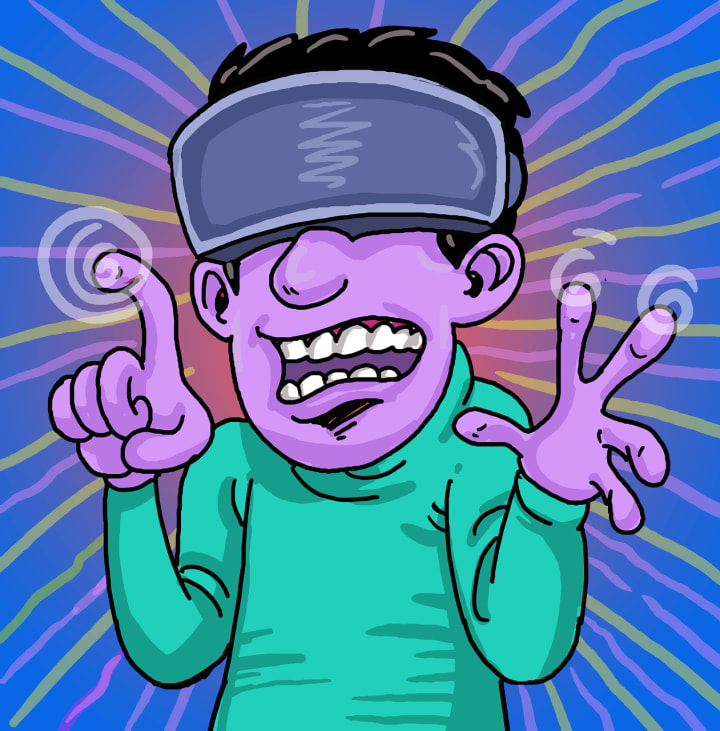
One potential area of growth for NFTs is in the world of virtual reality (VR). As VR technology improves and becomes more widely used, there is the potential for NFTs to be used to create unique digital assets within virtual worlds. This could open up new opportunities for artists and collectors alike, creating a new market for digital art that is immersive and interactive.
Another potential area of growth for NFTs is in the world of gaming. As gaming becomes more mainstream, there is the potential for NFTs to be used to create unique in-game assets that can be owned and traded by players. This could create a new market for gaming enthusiasts who are interested in collecting rare and unique in-game items.
Overall, the rise of NFTs has had a significant impact on the art world, changing the way artists and collectors interact with each other, and creating new opportunities for digital art. While there are concerns about the sustainability of NFTs and their potential impact on the art world, there is no doubt that they have already had a significant impact and will continue to do so in the years to come. As the technology behind NFTs continues to evolve, it is likely that we will see new and innovative uses for NFTs in the art world and beyond.
About the Creator
Keep reading
More stories from Abhishek Sharma and writers in Education and other communities.
Mental health and self-care during difficult times: Life can be challenging, and it's important to prioritize self-care during difficult times. Share practical tips for maintaining mental health and well-being, such as practicing self-compassion and seeking support when needed.
Life can be challenging, and difficult times can leave us feeling overwhelmed, stressed, and anxious. During these times, it's important to prioritize self-care and take steps to maintain our mental health and well-being. In this article, we will discuss practical tips for maintaining mental health and well-being, such as practicing self-compassion and seeking support when needed.
By Abhishek Sharma3 years ago in Education
What Caused the Big Bang?
Understanding the Big Bang Theory The Big Bang does not describe an explosion in space. Instead, it describes an expansion of space itself. At the beginning, all matter, energy, space, and time were compressed into an extremely small, hot, and dense state.
By shahkar jalal4 days ago in Education
Eating with Purpose: How Smart Nutrition Transforms Health and Lifestyle
Smart nutrition has emerged as a critical element of modern wellness, emphasizing intentional, balanced, and sustainable dietary choices. Unlike restrictive or fad diets that prioritize short-term results, smart nutrition focuses on long-term health, encouraging a thoughtful approach to the foods we consume daily. By understanding how nutrients affect the body, individuals can enhance energy, optimize performance, and foster mental clarity. This holistic approach reshapes not only physical health but also lifestyle habits, creating meaningful and lasting transformations.
By Matthew Pothoff5 days ago in Education


Comments
There are no comments for this story
Be the first to respond and start the conversation.