
The Rise of Multi-Functional Furniture: Space-Saving Solutions for Modern Living
Maximizing Space in Small Living Areas

As urban living spaces continue to shrink and more people embrace minimalist lifestyles, multi-functional furniture is quickly becoming a game-changer. Designed to serve more than one purpose, multi-functional furniture offers innovative solutions for those seeking to optimize space without compromising on style or comfort. This growing trend is transforming interior design and reshaping how we think about furnishing our homes, particularly in compact apartments or homes where space is at a premium.
The need for space-saving furniture is particularly prominent in smaller living environments where every square inch matters. Multi-functional furniture enables homeowners to maximize their living space by integrating several functionalities into one piece. Items such as sofa beds, fold-out desks, extendable dining tables, and storage ottomans are prime examples of furniture that allows for flexibility and adaptability in tight spaces.
A perfect example is the sofa bed. In a small living room, this furniture item can be both a comfortable seating area during the day and an inviting bed for guests at night. This eliminates the need for a separate guest room, which would typically take up valuable square footage. Similarly, a fold-out desk can easily be hidden when not in use, allowing the living room or bedroom to maintain an uncluttered and open feel. Extendable dining tables, which can expand when entertaining guests and contract when not in use, are another great example of how multi-functional furniture maximizes space while still serving practical purposes.
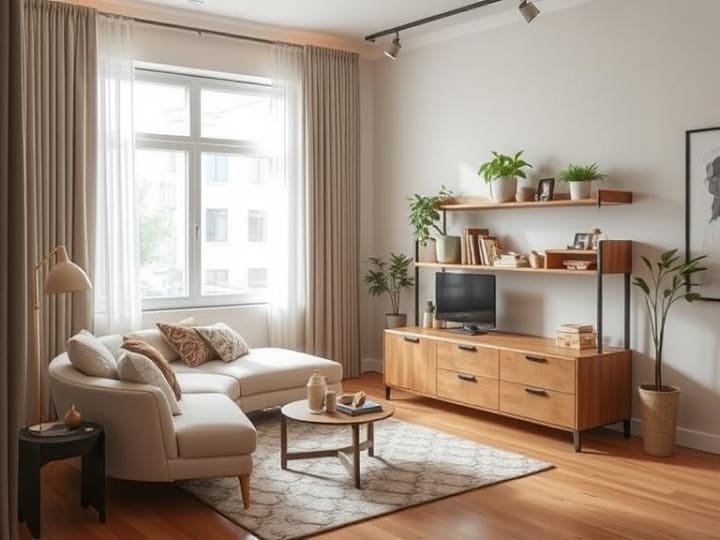
This kind of space-efficient furniture not only allows for the effective use of every room but also enables small spaces to serve multiple functions, from living rooms doubling as offices to bedrooms that transform into entertainment spaces.
Innovative Designs for Modern Lifestyles
One of the main drivers of the rise of multi-functional furniture is the growing demand for designs that align with modern lifestyles. In a world where adaptability and convenience are key, furniture that can transform based on need is becoming more popular than ever. Designers are embracing creativity to develop pieces that offer both practicality and style.
For example, coffee tables that transform into dining tables are gaining popularity for their ability to cater to both relaxation and dining needs. These tables often feature hidden compartments, allowing for storage of items like books, magazines, or remote controls when not in use. Additionally, ottomans that double as storage units or even extra seating are perfect for homes with limited space. These designs help homeowners keep their spaces organized while also providing functionality.
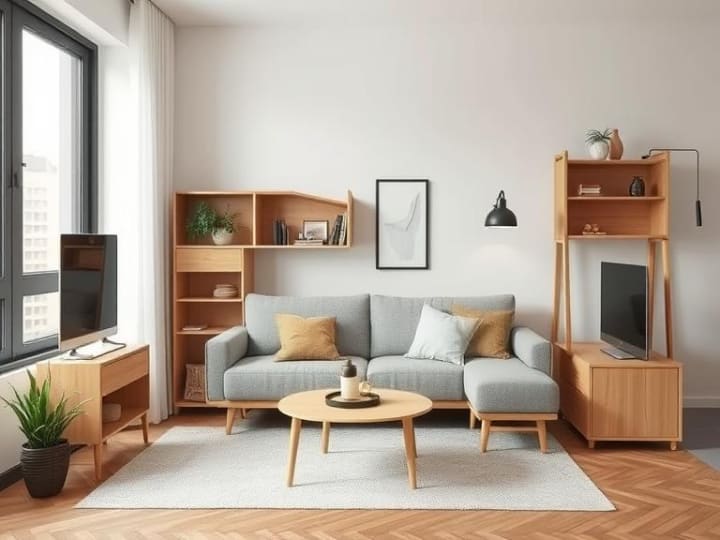
Another popular trend is modular furniture, where individual components can be rearranged and reconfigured based on a person’s specific needs. A sectional sofa, for example, might have pieces that can be moved to form a smaller or larger seating area, depending on the situation. These flexible pieces allow homeowners to adapt their space quickly for various uses, whether it’s hosting guests, relaxing, or working from home.
Sustainability and Durability in Multi-Functional Furniture
In addition to maximizing space, multi-functional furniture is increasingly being designed with sustainability and durability in mind. The need for eco-friendly solutions in furniture manufacturing is growing, and multi-functional pieces are well-suited to meet these demands. By reducing the need for multiple furniture items, consumers can reduce overall waste and avoid purchasing unnecessary pieces that will eventually end up in landfills.
Many of these pieces are made from sustainable materials, such as bamboo, reclaimed wood, and recycled metals, which reduce the environmental impact of furniture production. Additionally, multi-functional furniture is often built to be more durable and long-lasting, meaning fewer replacements are needed over time. This approach aligns perfectly with the growing trend of investing in quality, long-lasting products rather than opting for cheaper, disposable alternatives.
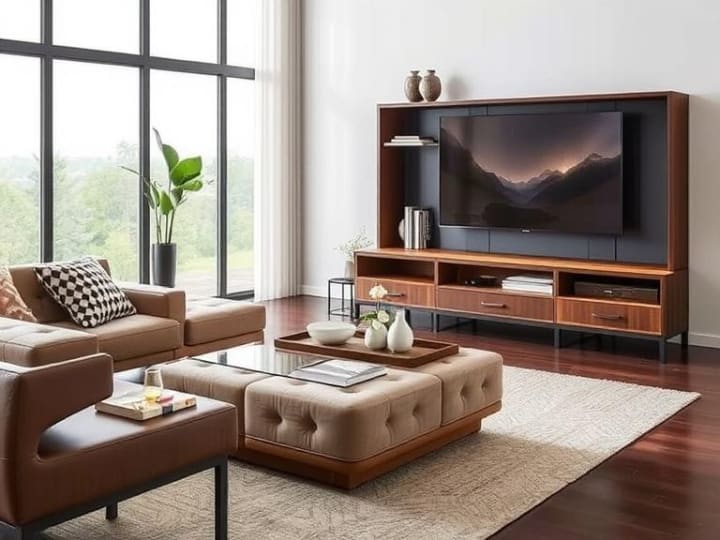
By purchasing multi-functional furniture, consumers can reduce their carbon footprint while still enjoying high-quality, long-lasting pieces that serve several purposes. Whether it's a coffee table, bed frame, or sofa, many of these furniture items are designed to withstand the test of time, making them a smart investment for both the environment and the home.
The Future of Furniture: Adapting to Modern Needs
In conclusion, the rise of multi-functional furniture is not just a trend—it’s a fundamental shift in how we approach home design. With the increasing demand for efficient, space-saving solutions, these furniture pieces are revolutionizing how we furnish our homes. Whether living in a studio apartment, a small house, or simply looking to maximize available space, multi-functional furniture offers the perfect blend of style, practicality, and adaptability.
As innovation continues to drive the development of these versatile pieces, we can expect even more ingenious designs to emerge. With modern living requiring smarter, more flexible solutions, the future of home furniture is undoubtedly one that emphasizes functionality, efficiency, and sustainability. Multi-functional furniture is set to become an essential part of home design, helping homeowners balance comfort, convenience, and sustainability in a way that meets the demands of contemporary life.
About the Creator
Keep reading
More stories from OPAA LIVING and writers in Education and other communities.
Furniture Design 2.0: What’s Hot in the World of Materials and Manufacturing
The world of furniture design is evolving rapidly, driven by the desire for more sustainable, functional, and aesthetically pleasing products. New materials, advanced manufacturing techniques, and cutting-edge technologies are reshaping how furniture is conceived and created. Today’s designs are not just about looks; they prioritize functionality, durability, and environmental responsibility. This fusion of innovation with practicality is marking the dawn of what can be called Furniture Design 2.0.
By OPAA LIVING12 months ago in Education
Core Skills Every Finance Professional Needs Today
Financial analysis is one of the most critical abilities for anyone working in finance today. Companies rely on clear and accurate financial information to make smart business decisions. Finance professionals must understand how to read numbers, study trends, and guide action based on facts. These must-have financial analysis skills help workers become stronger, more confident, and more valuable in their roles. When used well, these skills support better planning, lower risk, and long-term success. Because of this, developing strong financial analysis skills is essential for finance professionals at every level.
By Andrew Lake6 days ago in Education
Navigating the Most Complex Heart Conditions
Cardiology is advancing at a remarkable pace, thanks to next-generation imaging technologies that allow doctors to see the heart in extraordinary detail. For patients with complex or rare cardiac conditions, these tools provide insights that traditional methods often miss. By combining structural, functional, and metabolic imaging, physicians can make accurate diagnoses, plan effective treatments, and monitor progress with unprecedented precision. Modern cardiac imaging is redefining how heart disease is detected and managed.
By Nishi Patel7 days ago in Education


Comments
There are no comments for this story
Be the first to respond and start the conversation.