
Furniture Design 2.0: What’s Hot in the World of Materials and Manufacturing
A New Era of Innovation in Furniture Design
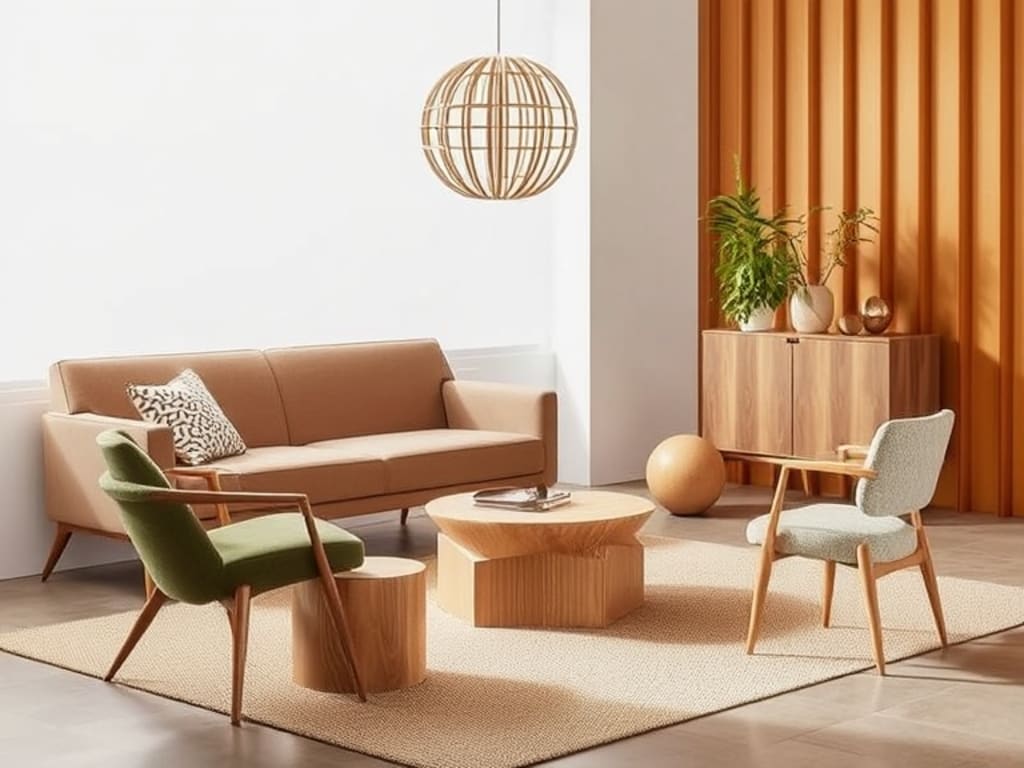
The world of furniture design is evolving rapidly, driven by the desire for more sustainable, functional, and aesthetically pleasing products. New materials, advanced manufacturing techniques, and cutting-edge technologies are reshaping how furniture is conceived and created. Today’s designs are not just about looks; they prioritize functionality, durability, and environmental responsibility. This fusion of innovation with practicality is marking the dawn of what can be called Furniture Design 2.0.
As the world becomes increasingly aware of its environmental impact, sustainability has taken center stage in the furniture industry. Designers and manufacturers are moving away from traditional materials and processes that harm the environment and instead are turning to sustainable, eco-friendly alternatives. These materials offer not only environmental benefits but also a unique, modern aesthetic that appeals to consumers who value both style and sustainability.
Sustainable Materials: A Green Revolution in Furniture Design
One of the most exciting shifts in furniture design today is the rise of sustainable materials. Recycled plastics, bamboo, cork, and reclaimed wood are now at the forefront of design, providing a green alternative to conventional materials. These options help reduce waste, lower carbon footprints, and contribute to more sustainable production cycles. For example, recycled plastic furniture is made from post-consumer waste, such as plastic bottles, which is repurposed into stylish, durable furniture pieces. Bamboo, known for its rapid growth and low environmental impact, is also gaining popularity as a sustainable, renewable resource that can be used for everything from chairs and tables to flooring.
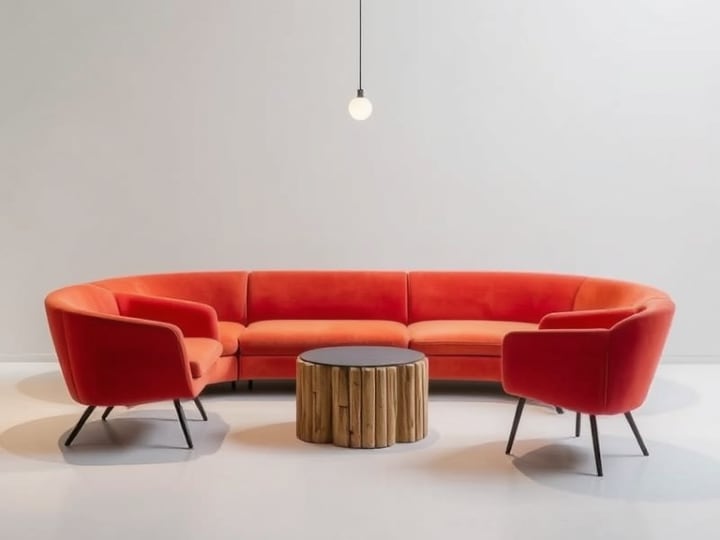
Reclaimed wood is another eco-friendly material that has found a place in modern furniture design. Rather than sourcing fresh timber, designers are repurposing old wood from barns, factories, and warehouses, giving it a new life in contemporary furniture. This not only prevents unnecessary deforestation but also adds a unique, rustic charm to each piece.
Many manufacturers are also opting to source materials locally, further enhancing sustainability while supporting local economies. By sourcing timber, metals, and textiles from nearby suppliers, the carbon footprint of transportation is reduced, and the demand for overseas shipping is minimized. Local sourcing also fosters a closer connection between the producer and consumer, often resulting in higher quality and more bespoke furniture.
Technological Advancements: The Role of Innovation in Manufacturing
Technological advancements are significantly reshaping the production side of furniture design. Traditional methods, while still important, are being enhanced and replaced by innovative technologies such as computer numerical control (CNC) machines and 3D printing. CNC machines enable designers to create incredibly intricate designs with precision and speed. These machines can carve, cut, and shape materials with high accuracy, making complex, custom designs more accessible and affordable.
3D printing, in particular, is revolutionizing the furniture industry by allowing designers to create fully customized pieces that were once impractical or prohibitively expensive to produce. With 3D printing, it is now possible to fabricate furniture with unique geometries and complex shapes that would be difficult or impossible to achieve through traditional methods. This technology also allows for the creation of lightweight yet durable structures, ideal for modern living spaces where space efficiency and versatility are key considerations.
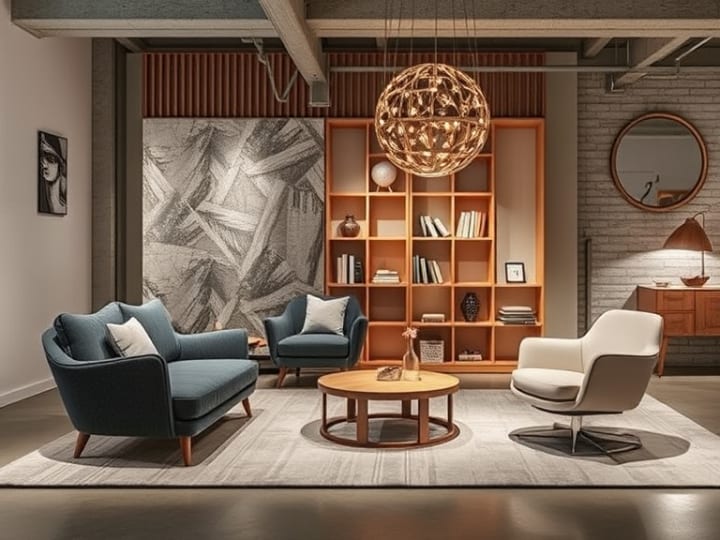
Additionally, artificial intelligence (AI) and automation are streamlining the design and manufacturing process. AI is being used to predict trends, optimize designs, and automate repetitive tasks, resulting in faster production times and more efficient workflows. Automation has also made it possible to reduce human error, maintain consistency in production, and improve the overall quality of finished products. With these advancements, manufacturers can create high-quality, custom-made furniture at a fraction of the cost and time it would take through traditional methods.
The Rise of Minimalist and Modular Furniture Designs
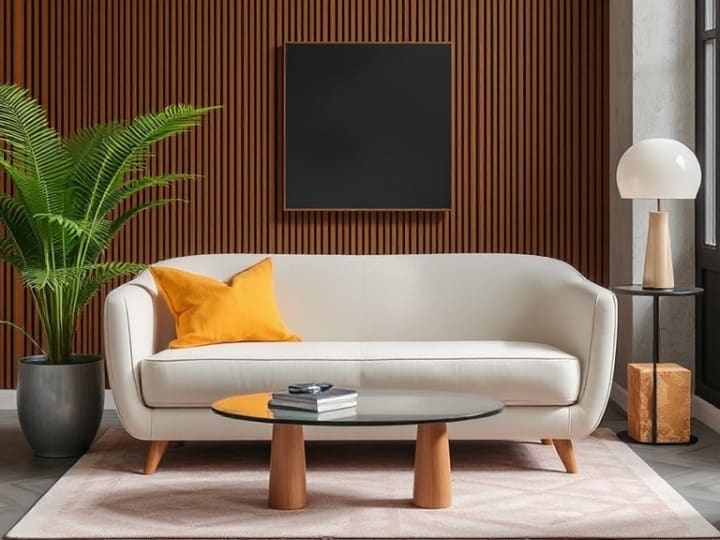
In terms of design, the trend toward minimalist, modular, and multi-functional furniture is increasingly dominant. Today’s consumers are looking for furniture that is not only stylish but also adaptable to their changing needs. Modular furniture systems—such as sofas, shelving units, and storage solutions—allow homeowners to rearrange and customize their spaces to fit their lifestyles. Whether it's a sofa that transforms into a bed, a coffee table with built-in storage, or shelving units that can be expanded and contracted, modular furniture provides maximum flexibility for modern living.
Minimalist designs continue to be popular due to their clean lines and timeless appeal. Furniture with a minimalist aesthetic emphasizes simplicity and functionality, often incorporating neutral colors, natural textures, and straightforward forms. These designs not only complement various interior styles but also offer versatility for smaller spaces, a consideration that is becoming increasingly important in urban environments.

Multi-functional furniture is another key trend. With more people living in smaller apartments and spaces, there is a growing demand for furniture that can serve multiple purposes. Items like fold-out desks, extendable dining tables, and wall-mounted storage units offer flexibility and practicality without compromising on style. These smart designs allow individuals to make the most of their living spaces, creating environments that are both functional and visually appealing.
The Future of Furniture Design
Ultimately, Furniture Design 2.0 represents a perfect blend of form, function, and sustainability. By embracing eco-friendly materials, adopting cutting-edge technologies, and prioritizing adaptable, minimalist designs, the furniture industry is moving toward a more innovative, environmentally conscious future. As technology and manufacturing methods continue to evolve, so too will the possibilities for furniture design—creating pieces that are not only beautiful and functional but also more sustainable and forward-thinking than ever before. Whether through sustainable sourcing, advanced manufacturing, or modular design, the future of furniture is bright, exciting, and full of potential.
About the Creator
Keep reading
More stories from OPAA LIVING and writers in Education and other communities.
Understanding Furniture Certifications (FSC, GREENGUARD, etc.)
As consumers become more mindful of their health, the environment, and ethical sourcing, furniture certifications have emerged as valuable tools to help navigate the modern marketplace. Certifications like FSC, GREENGUARD, and others signal that a piece of furniture meets certain standards for environmental responsibility, safety, or ethical manufacturing. However, understanding what these labels mean—and what they don’t—is key to making informed choices that align with your values.
By OPAA LIVING9 months ago in Education
Understanding Ductwork Airflow Distribution for Modern Homes
Ductwork airflow distribution is the system that moves heated or cooled air through a building. Many homeowners hear the word ductwork but do not fully understand what it does or why it matters. This guide explains the basics in a clear and simple way. By the end, you will know how air moves, why design matters, and how small issues can affect comfort and energy use.
By Lickety Splitabout 10 hours ago in Education
Smart Ways to Prevent AI From Taking Your Job
Artificial intelligence is changing the workplace faster than almost any technology before it. From automated customer service to AI-generated reports, images, and code, it’s natural to wonder: Will AI take my job?
By Anthony Bahamonde2 days ago in Education



Comments
There are no comments for this story
Be the first to respond and start the conversation.