
The Rich Tapestry of Philippine Mythology
Philippine Mythology

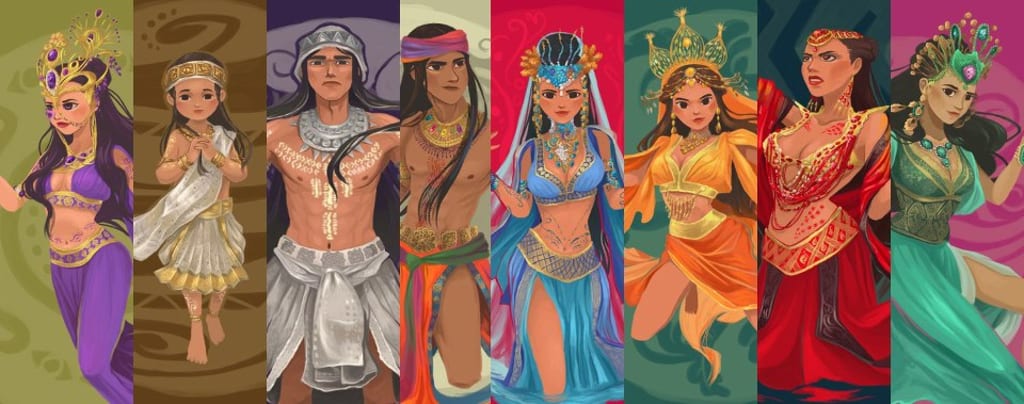
Philippine mythology is a captivating realm steeped in rich cultural traditions and diverse belief systems. Spanning thousands of years, it weaves together a tapestry of fascinating tales, enchanting deities, and mythical creatures. This essay aims to provide an overview of the key elements and themes that characterize Philippine mythology, highlighting its significance in shaping Filipino identity and cultural heritage.
Philippine mythology is a blend of indigenous beliefs and the cultural influences of various civilizations that have left their mark on the archipelago. The pre-colonial Philippines was home to numerous ethnic groups, each with its own distinct mythological traditions. These indigenous beliefs were later intertwined with Hindu, Buddhist, and Islamic influences brought by traders and missionaries from neighboring regions.
Deities and Creation Myths Philippine mythology encompasses a vast pantheon of deities that govern various aspects of nature, fertility, and human existence. Among the most revered deities are Bathala, the supreme god who presides over the universe, and Mayari, the goddess of the moon. Other deities include Tala (the goddess of the stars), Apolaki (the sun god), and Lakapati (the goddess of fertility and agriculture).
Creation myths in Philippine mythology often involve the exploits of deities and supernatural beings. The most prominent creation myth is the "First Man and First Woman" story, which narrates how humanity was born from bamboo. Another popular myth is the "Malakas and Maganda" story, describing the emergence of the first man and woman from a bamboo split in half.
Mythical creatures and spirits Philippine mythology is replete with a diverse array of mythical creatures and spirits that inhabit the land, seas, and skies. Among these creatures, the Tikbalang, a half-human, half-horse creature, is known for leading travelers astray in forests and mountains. The Kapre, a gigantic tree-dwelling creature, is often depicted as a cigar-smoking, hairy being. Another well-known creature is the Aswang, a shapeshifting monster that preys on humans, particularly pregnant women and children.
Philippine mythology also includes various nature spirits and elemental beings. Diwata refers to benevolent spirits who dwell in trees, mountains, and bodies of water. Nuno sa Punso are dwarf-like creatures that reside in anthills and are known to either bless or curse those who disturb their homes. Additionally, the Engkanto are enchanting spirits associated with natural landscapes, such as waterfalls and forests.
Significance and Legacy Philippine mythology holds immense significance as it reflects the deep spiritual and cultural connections of the Filipino people to their ancestral heritage. These myths and legends serve as a moral compass, offering lessons on values, respect for nature, and the importance of community. Moreover, they foster a sense of unity among Filipinos by celebrating their shared identity and belief systems.
Despite the impact of colonialism and the modernization of society, Philippine mythology continues to thrive as a source of inspiration in literature, art, and popular culture. It provides a rich tapestry of motifs that writers, filmmakers, and artists draw upon to explore themes of identity, resilience, and the interplay between the natural and supernatural realms.
Philippine mythology is a captivating universe that intertwines diverse deities, mythical creatures, and enchanting stories. It showcases the enduring spiritual beliefs and cultural heritage of the Filipino people. From creation myths to tales of epic heroism, these narratives have shaped the Filipino identity and continue
Philippine mythology is replete with a diverse pantheon of gods and goddesses, each governing various aspects of nature, fertility, and human existence. Here are some of the prominent deities in Philippine mythology:
Bathala: Considered the supreme god, Bathala is the ruler of the universe. He is associated with creation, order, and the sky. Bathala is often depicted as a wise and benevolent deity.
Mayari: Mayari is the goddess of the moon and one of the children of Bathala. She is often portrayed as a beautiful woman with silver or golden hair. Mayari embodies the changing phases of the moon and is associated with combat and revolution.
Tala: Tala is the goddess of the stars. She is the sister of Mayari and is associated with beauty and guidance. Tala is believed to watch over travelers and bring good fortune to those who navigate by the stars.
Apolaki: Apolaki is the god of the sun and the brother of Mayari and Tala. He is depicted as a radiant and powerful deity who brings light and warmth to the world. Apolaki is associated with strength, courage, and protection.
Lakapati: Lakapati is the goddess of fertility, agriculture, and harvest. She is revered as the caretaker of nature and the provider of abundance. Lakapati is often depicted as a hermaphrodite or androgynous deity, representing the harmonious balance of male and female energies.
Haliya: Haliya is the masked goddess of the moon, night, and protection against evil spirits. She is depicted wearing a mask, symbolizing her ability to ward off malevolent forces. Haliya is associated with the cycles of the moon and is invoked for protection and healing.
Anitun Tabu: Anitun Tabu is the goddess of wind and rain. She is believed to control the weather and bring fertility to the land. Anitun Tabu is often depicted as a young and beautiful deity with the power to calm storms and bless the crops.
These are just a few examples of the many gods and goddesses in Philippine mythology. Each region and ethnic group in the Philippines may have their own unique set of deities, reflecting the cultural diversity and beliefs across the archipelago.
About the Creator
Roxy
yo, I write stuff.
Staying Active at the Gym: How to Avoid Burnout and Stay Consistent
Staying active at the gym offers many physical and mental benefits, but maintaining consistency can be challenging, especially when burnout appears. Many people start with excitement and strong motivation, yet after a few weeks, the pressure to perform or the demands of a busy life can lead to fatigue, boredom, or frustration. Avoiding burnout is essential for long-term success. A healthy fitness routine should support your well-being, not drain your energy or enthusiasm. With the right strategies, you can stay consistent, maintain a positive mindset, and enjoy your workouts for years to come.
By Keith Brautigam6 days ago in Education



Comments
There are no comments for this story
Be the first to respond and start the conversation.