
The Revolution of AI in Education
Personalization of Learning
Personalization of Learning
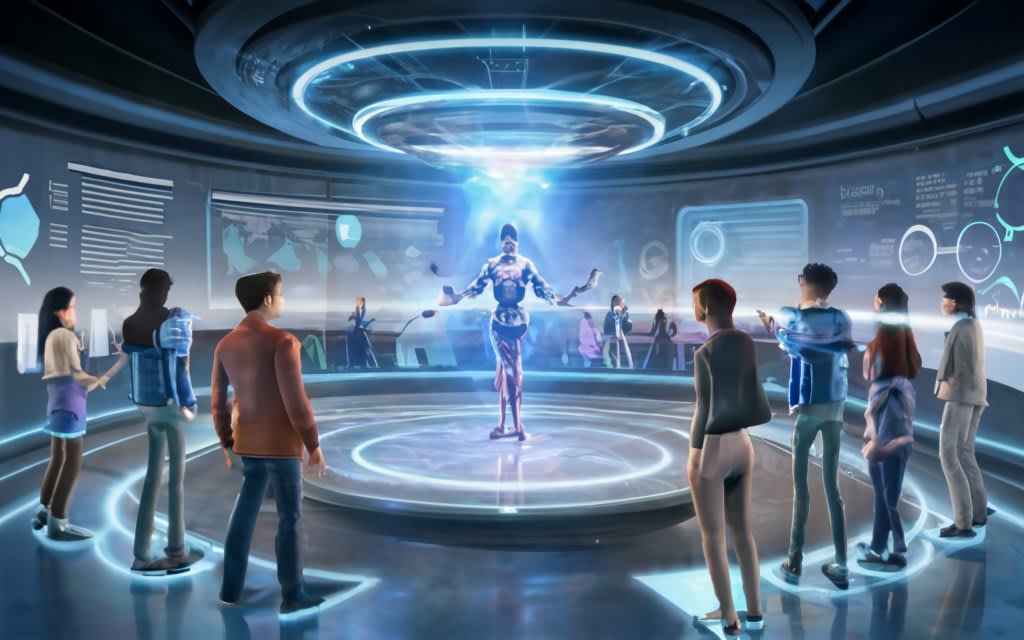
One of the most profound impacts of artificial intelligence (AI) in education is the ability to personalize learning experiences. Traditional classrooms often struggle to meet the individual needs of each student due to their diverse learning paces and styles. AI-driven educational tools, however, can adapt lessons to suit each student’s unique requirements. By analyzing data from student interactions, these systems can modify content delivery, offer additional resources for struggling students, or accelerate progress for advanced learners. This personalized approach not only enhances understanding but also fosters a more engaging and effective learning environment.
Intelligent Tutoring Systems
Intelligent tutoring systems (ITS) are another groundbreaking implementation of AI in education. Unlike conventional tutors, ITS can provide round-the-clock assistance without fatigue. These systems employ advanced algorithms to assess student performance continually and offer tailored feedback and support. Tools like Carnegie Learning and ALEKS are prime examples, using AI to deliver customized tutoring in subjects like mathematics and science. The constant interaction and immediate feedback provided by ITS help to reinforce learning and address misconceptions promptly, leading to better student outcomes.
Enhanced Accessibility
AI also plays a critical role in making education more accessible to students with disabilities. Speech recognition software, screen readers, and AI-driven translation tools break down barriers that previously hindered equitable education. For instance, tools like Google’s Speech-to-Text can transcribe lectures in real-time, aiding hearing-impaired students. Similarly, text-to-speech software can assist visually impaired learners by converting written content into spoken word. AI’s ability to accommodate diverse needs ensures that education becomes more inclusive, bridging the gap for traditionally underserved populations.
AI's Impact on Teaching Methods
Automating Administrative Tasks
AI significantly alleviates the administrative burden on educators, allowing them to focus more on teaching and student interaction. Tasks such as grading, attendance tracking, and scheduling can be automated using AI. Systems like GradeScope can automatically grade exams and assignments, providing detailed analyses and feedback. By handling these time-consuming tasks, AI enables teachers to devote more time to curriculum development and one-on-one student engagement, enhancing the overall quality of education.
Data-Driven Instruction
The advent of AI in education has facilitated the shift towards data-driven instruction. By collecting and analyzing data from various classroom activities, AI can identify trends and patterns that inform teaching strategies. Educators can use this data to tailor their instruction methods to better address student needs. For example, AI can highlight topics where students commonly struggle, allowing teachers to provide additional resources or alter their teaching approach. Data-driven insights empower educators to make informed decisions, ultimately improving student performance.
Real-Time Feedback
Real-time feedback is crucial for effective learning, and AI excels in providing this. AI-powered platforms can track student progress and deliver immediate feedback on assignments and quizzes. This timely feedback helps students understand their mistakes and learn concepts more thoroughly. Moreover, real-time analytics can alert educators to students who may require additional support, enabling prompt intervention. Tools like Khan Academy have successfully integrated AI to deliver personalized feedback, fostering a proactive and responsive learning environment.
AI in Educational Content Creation
Adaptive Learning Materials
Adaptive learning materials created using AI can dynamically adjust to meet the evolving learning needs of students. These materials can alter their complexity based on the student's performance, ensuring that each learner is adequately challenged without becoming overwhelmed. Educational platforms like DreamBox and Smart Sparrow utilize AI to develop adaptive learning experiences in subjects such as math and science, promoting a more individualized and effective learning journey.
Virtual Labs and Simulations
Virtual labs and simulations powered by AI offer students hands-on learning experiences that are often impossible in traditional classroom settings. These tools enable experiential learning, where students can conduct experiments and engage in simulations to understand complex concepts better. For instance, Labster provides virtual lab simulations that cover a wide range of scientific disciplines, allowing students to explore and experiment in a safe, controlled environment. Such immersive experiences enhance comprehension and retention of subject matter.
Creative AI Tools
Creative AI tools are transforming the way educational content is designed and delivered. AI can assist educators in generating innovative content, from interactive textbooks to engaging multimedia presentations. Tools like OpenAI's GPT-3 can help create quizzes, flashcards, and other educational resources, ensuring that content remains fresh and captivating. Furthermore, these tools can analyze student engagement and suggest modifications to enhance learning outcomes.
Challenges and Ethical Considerations
Privacy Concerns
Despite its benefits, AI in education raises significant privacy concerns. The collection and analysis of vast amounts of student data necessitate stringent data protection measures. There is a risk of sensitive data being misused or accessed by unauthorized parties. Hence, it is crucial to implement robust data encryption and adhere to privacy regulations such as GDPR and COPPA to safeguard student information.
Algorithmic Bias
Algorithmic bias is another critical issue associated with AI in education. AI systems can inadvertently perpetuate existing biases in educational materials and assessments, leading to unequal opportunities for students. To mitigate this, it is essential to ensure that AI algorithms are transparent and subject to regular audits. Diverse datasets should be used in training these systems to minimize bias and promote fairness.
Educational Inequality
Lastly, the implementation of AI in education can exacerbate educational inequality if not carefully managed. Access to advanced AI-driven tools and resources may be limited to well-funded institutions, leaving underprivileged students at a disadvantage. Policymakers and educational institutions must work together to ensure equitable access to AI technologies, bridging the digital divide and promoting inclusive education for all.
In conclusion, the revolution of AI in education offers transformative benefits, from personalized learning to enhanced teaching methods. However, addressing the associated challenges and ethical considerations is crucial to harness its full potential and ensure an equitable educational landscape.
About the Creator
Keep reading
More stories from Gerry vlogs and writers in Education and other communities.
Intro Python Programming_Cambridge_2024-2025_Course
Python, a high-level, interpreted programming language, has consistently proven itself as a versatile tool in modern software development. Its readability and simplicity make it a popular choice among beginners and experienced developers alike. The primary objective of the Intro Python Programming course at Cambridge for the academic year 2024-2025 is to equip students with foundational programming skills while fostering their ability to think algorithmically. By the end of the course, students will be competent in writing efficient Python code, solving complex problems, and applying their newfound knowledge to real-world situations.
By Gerry vlogsabout a year ago in Education
Friendship with Books
Arslan and Rehan were very close friends. They studied in the same class and lived in the same neighborhood, which made their friendship even stronger. Despite being similar in age and environment, their interests were quite different. Rehan had a deep love for reading. He was not limited to his textbooks alone; instead, he eagerly read all kinds of books, including storybooks, history, general knowledge, and books full of interesting events. For Rehan, books were not just a habit—they were a way of life.
By Sudais Zakwana day ago in Education
Dr. Richard Kannwischer on Christian Community in a Digital Age: Koinonia and the Ethics of Belonging
Dr. Richard Kannwischer is Senior Pastor of Peachtree Presbyterian Church and has served more than 25 years in pastoral ministry. He earned a Master of Divinity from Princeton Theological Seminary and a Doctor of Ministry from Fuller Theological Seminary. A gifted communicator, he is passionate about helping people see how the story of God speaks with clarity, depth, and relevance to everyday life. His preaching and writing blend theological rigor with storytelling, making complex truths accessible and engaging. Whether in the pulpit, on the page, or in conversation, he invites audiences into practical, life-giving Christian faith for seekers and believers.
By Scott Douglas Jacobsen5 days ago in Education



Comments
There are no comments for this story
Be the first to respond and start the conversation.