
The Revival of Vintage and Retro Furniture in Modern Homes
Embracing Timeless Design and Sustainability: The Return of Vintage and Retro Furniture in Modern Homes
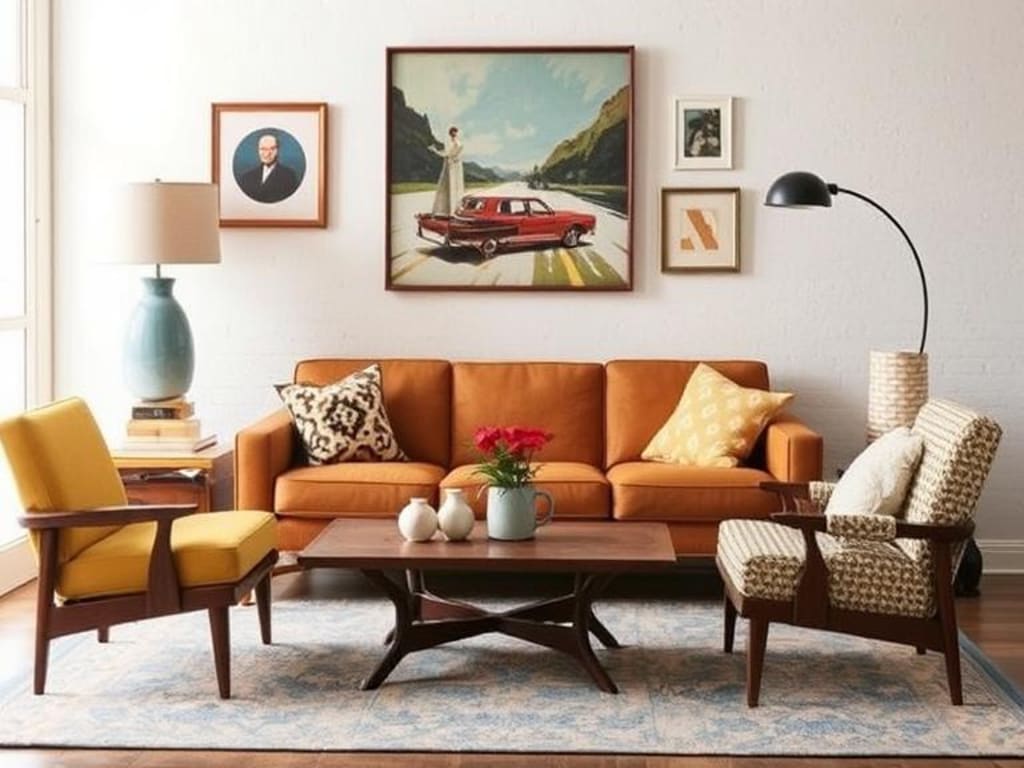
In recent years, there has been a notable resurgence in the popularity of vintage and retro furniture in modern homes. This revival reflects a shift in consumer values, where individuality, sustainability, and a desire for high-quality, timeless designs are becoming increasingly important. Vintage and retro furniture, often characterized by unique craftsmanship, durability, and bold aesthetics, offer homeowners a chance to infuse their spaces with character, charm, and a sense of history.
A Return to Timeless Design
Vintage and retro furniture pieces are known for their distinct, often bold designs that stand out from mass-produced modern alternatives. Many of these pieces hail from iconic design periods such as mid-century modern, art deco, or 1960s-1970s styles, each with its own unique aesthetic. Mid-century modern furniture, for example, is renowned for its clean lines, minimalistic forms, and use of natural materials like wood and leather, while retro furniture from the 70s often features vibrant colors, funky patterns, and a playful, eclectic vibe.
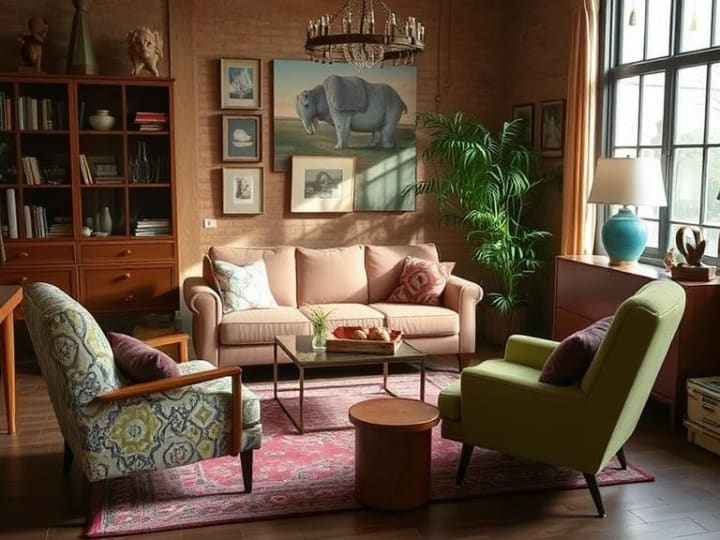
By incorporating these pieces into modern homes, homeowners are able to blend different design eras, creating unique, personalized, and eclectic interiors that reflect their individual style.
Unlike many contemporary furniture items, which are often mass-produced and lack personality, vintage furniture has a sense of history and character. These pieces were typically crafted with great attention to detail and built to last, often using high-quality materials like solid wood, leather, and metal. This longevity and craftsmanship make vintage furniture not only aesthetically appealing but also practical, as many items from past decades still retain their functionality and durability.
Sustainability and Eco-conscious Choices
In addition to the appeal of unique design and craftsmanship, sustainability is a driving factor in the growing popularity of vintage and retro furniture. As awareness of environmental issues increases, many consumers are turning to second-hand and refurbished furniture as a more eco-friendly alternative to purchasing brand-new items. By buying vintage furniture, individuals are reducing the demand for new production, which in turn decreases the use of resources, energy, and materials associated with manufacturing.
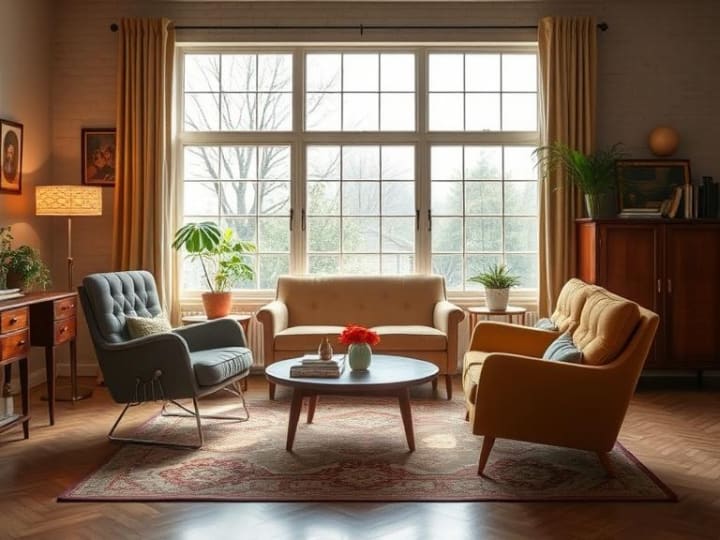
Restoring or upcycling old furniture has also become a popular trend. Many homeowners and interior designers are repurposing vintage pieces by reupholstering chairs, refinishing tables, or updating the hardware. This process not only revives old items but also keeps them out of landfills, contributing to a more circular economy. In an age where sustainability is top of mind for many, opting for vintage furniture offers a tangible way to make more eco-conscious choices in home decor.
The Emotional Connection and Nostalgia Factor
Another reason for the revival of vintage and retro furniture is the emotional connection these pieces offer. Many people have a sense of nostalgia for the furniture styles of their childhood or the eras they admire. A mid-century modern armchair may remind someone of their grandparents' home, or a retro 70s dining table could evoke memories of family gatherings. This emotional connection often makes vintage furniture feel more personal and meaningful than new, mass-produced items.
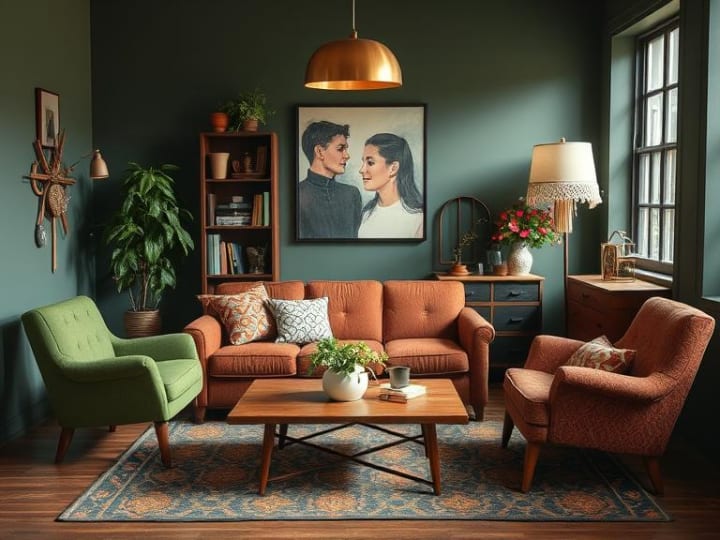
As younger generations seek to create homes that reflect their personality and values, vintage furniture provides a way to do so while connecting with the past. For some, it's about the memories these pieces invoke, while for others, it's a chance to celebrate the aesthetic and design sensibilities of bygone eras.
The Modern Appeal of Vintage and Retro Furniture
While vintage and retro furniture offer a nostalgic charm, they also blend well with modern decor. The clean lines of mid-century modern pieces, for example, complement contemporary design elements, creating a striking contrast. Retro furniture, with its bold patterns and colors, can serve as a statement piece that brings vibrancy to a more minimalist space. Whether used in the form of a statement chair, a well-crafted dining table, or unique lighting fixtures, vintage furniture can elevate a modern interior by adding warmth, texture, and a sense of individuality.
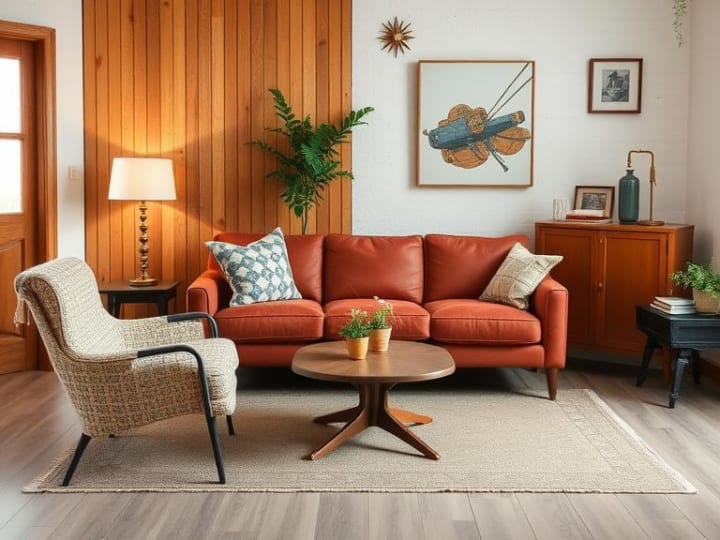
Interior designers have increasingly embraced this trend, mixing vintage and retro pieces with contemporary furniture to create layered, dynamic spaces that feel both timeless and fresh. By doing so, they create rooms that tell a story, incorporating history, style, and a mix of old and new elements.
Conclusion
The revival of vintage and retro furniture in modern homes is more than just a fleeting trend—it represents a broader shift toward sustainability, individuality, and quality in interior design. By choosing vintage pieces, homeowners can incorporate unique, well-crafted items into their homes while minimizing environmental impact.
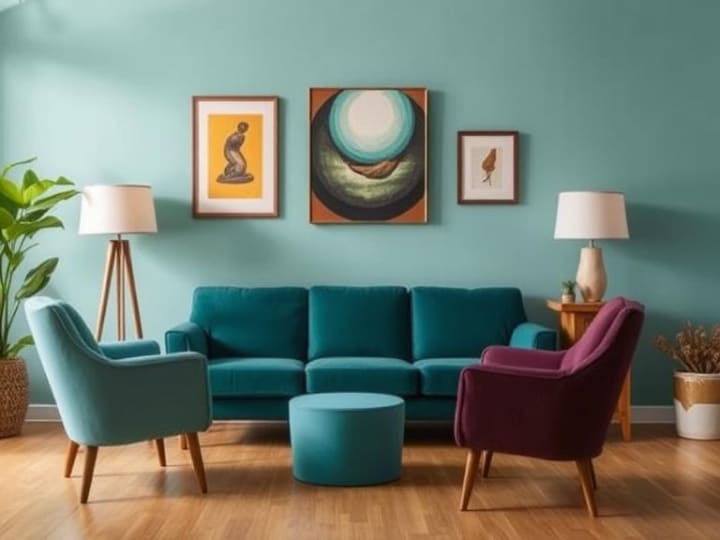
Whether driven by a love of timeless design, an appreciation for the craftsmanship of past eras, or a desire to make more eco-conscious choices, vintage and retro furniture offer a compelling way to create spaces that are not only stylish but also meaningful. This trend continues to grow, as more people seek ways to combine modern living with the charm and character of the past.
About the Creator
Keep reading
More stories from Opaa Homes and writers in Education and other communities.
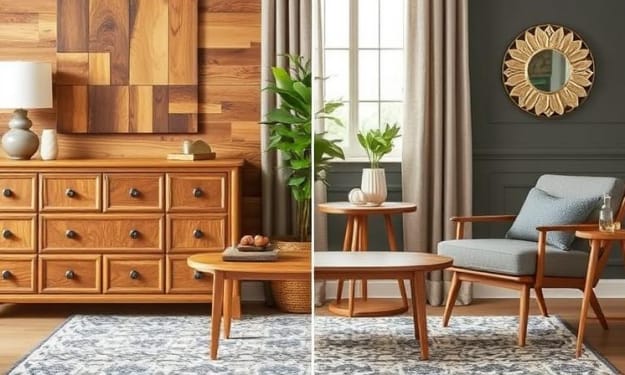
Exploring the Differences Between Solid Wood and Engineered Wood Furniture
When shopping for furniture, one of the primary decisions consumers face is whether to invest in solid wood or engineered wood pieces. Both materials have their own unique qualities and advantages, but understanding the key differences between them can help you make a more informed choice based on your specific needs, preferences, and budget. Here’s a deeper dive into what sets these two types of furniture apart.
By Opaa Homes10 months ago in Education
Core Skills Every Finance Professional Needs Today
Financial analysis is one of the most critical abilities for anyone working in finance today. Companies rely on clear and accurate financial information to make smart business decisions. Finance professionals must understand how to read numbers, study trends, and guide action based on facts. These must-have financial analysis skills help workers become stronger, more confident, and more valuable in their roles. When used well, these skills support better planning, lower risk, and long-term success. Because of this, developing strong financial analysis skills is essential for finance professionals at every level.
By Andrew Lake5 days ago in Education
Navigating the Most Complex Heart Conditions
Cardiology is advancing at a remarkable pace, thanks to next-generation imaging technologies that allow doctors to see the heart in extraordinary detail. For patients with complex or rare cardiac conditions, these tools provide insights that traditional methods often miss. By combining structural, functional, and metabolic imaging, physicians can make accurate diagnoses, plan effective treatments, and monitor progress with unprecedented precision. Modern cardiac imaging is redefining how heart disease is detected and managed.
By Nishi Patel6 days ago in Education
Ludacris and Nelly draw backlash over bookings at MAGA-coded music festival
Ludacris and Nelly headlining a mostly right-wing event is good for them. It’s also great for the genre of hip hop. The two rap veterans have showcased their talents on other stages. Why can’t they perform for mostly MAGA folks and grab that bag?
By Skyler Saunders5 days ago in Beat


Comments
There are no comments for this story
Be the first to respond and start the conversation.