
Exploring the Differences Between Solid Wood and Engineered Wood Furniture
Understanding the Key Distinctions Between Solid Wood and Engineered Wood in Furniture
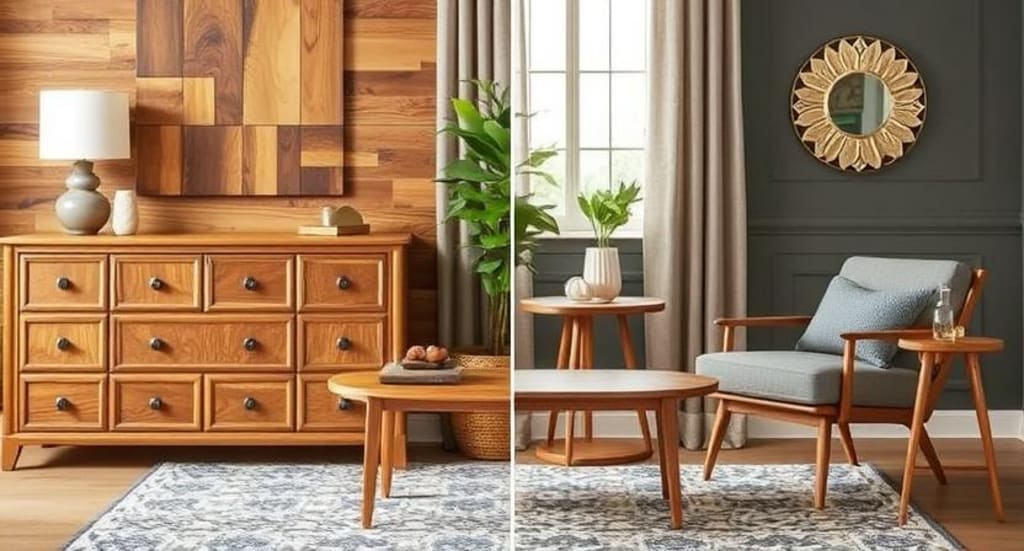
When shopping for furniture, one of the primary decisions consumers face is whether to invest in solid wood or engineered wood pieces. Both materials have their own unique qualities and advantages, but understanding the key differences between them can help you make a more informed choice based on your specific needs, preferences, and budget. Here’s a deeper dive into what sets these two types of furniture apart.
What is Solid Wood Furniture?
Solid wood furniture is made entirely from natural timber, meaning it’s constructed from a single piece of wood or a combination of pieces joined together. Popular types of solid wood include hardwoods like oak, walnut, cherry, and maple, as well as softwoods like pine and fir. The defining feature of solid wood is that it retains the natural grain patterns, textures, and colors inherent in the wood itself, giving each piece a distinct look and feel.

Solid wood furniture is often celebrated for its durability and longevity. The material is tough, making it suitable for heavy use and capable of lasting for generations with proper care. Over time, solid wood develops a natural patina that enhances its aesthetic, making it even more attractive as it ages. Additionally, solid wood furniture tends to have a higher resale value due to its long-lasting nature.However, solid wood furniture comes with some downsides. It’s generally more expensive than engineered wood, especially when using premium hardwoods. The price reflects the cost of sourcing quality wood and the craftsmanship involved in creating the furniture.
What is Engineered Wood Furniture?
Engineered wood, also known as composite wood, is made by binding together wood fibers, particles, or veneers using adhesives to create a solid board. Common types of engineered wood include plywood, MDF (medium-density fiberboard), and particleboard. These materials are designed to mimic the appearance of solid wood, offering versatility and affordability while providing stability and strength.

The main advantage of engineered wood furniture is its affordability. Engineered wood is often significantly cheaper than solid wood, making it a more budget-friendly option for consumers. Furthermore, engineered wood is less prone to the warping or shrinking that solid wood is susceptible to, particularly when exposed to moisture or extreme changes in temperature. This makes engineered wood an attractive option for areas with fluctuating climates or for individuals who are seeking low-maintenance furniture.Engineered wood is also highly versatile. It can be easily cut, shaped, and finished, allowing for a wide variety of designs and styles.
Key Differences: Solid Wood vs. Engineered Wood
Durability and Longevity: Solid wood is more durable and can last for decades, if not longer, with proper care. Engineered wood, while still strong, may not be as long-lasting, and the layers can start to separate or degrade over time, particularly in low-quality products.
Price: Solid wood tends to be more expensive due to the cost of raw material and craftsmanship. Engineered wood is more budget-friendly, making it accessible to a wider range of consumers.

Environmental Sensitivity: Solid wood can be more sensitive to moisture and temperature changes, leading to expansion or contraction. Engineered wood is generally more stable and resistant to warping, but it may be made using adhesives that release harmful chemicals like formaldehyde.
Aesthetic Appeal: Solid wood is prized for its natural, unique appearance, with each piece having its own grain pattern and character. Engineered wood, on the other hand, can closely mimic the look of solid wood, but it lacks the same individuality and richness.
Conclusion
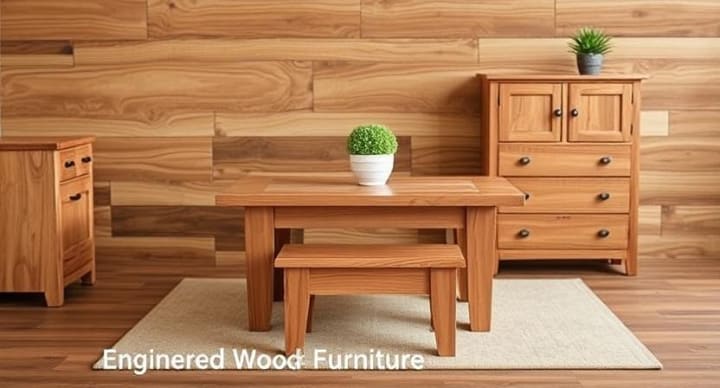
Choosing between solid wood and engineered wood furniture depends on your budget, design preferences, and long-term goals. If you’re looking for a timeless, high-quality piece that can last for generations, solid wood is the way to go. However, if you’re on a budget or need furniture that offers more stability and flexibility, engineered wood might be the ideal choice. Ultimately, both options have their place in modern homes, and understanding the differences will help you make a decision that best fits your lifestyle and needs.
About the Creator
Keep reading
More stories from Opaa Homes and writers in Education and other communities.
Antique Furniture Styles: A Journey Through Baroque, Rococo, and Neoclassical Designs
Antique furniture serves as a time capsule, reflecting the evolving tastes, cultural shifts, and artistic movements of different historical periods. Among the most iconic and influential furniture styles are Baroque, Rococo, and Neoclassical, each representing a distinct era and aesthetic in the 17th and 18th centuries. These three styles are celebrated for their craftsmanship, attention to detail, and the way they convey the values and tastes of their respective times.
By Opaa Homes10 months ago in Education
Why Certification Protects Transcription Careers in the Age of AI
Artificial Intelligence has rapidly transformed the transcription industry. Speech-to-text tools now promise instant results, lower costs, and effortless productivity. For businesses focused purely on speed, AI often appears to be the perfect solution. However, beneath this promise lies a critical reality: speed without accuracy creates risk.
By Mahesh Kumar2 days ago in Education
What It Really Takes to Get a Wikipedia Page Approved in 2026
These days, Wikipedia isn't like the one some folks recall. Back then, an okay article often made it through with just small tweaks. Now things feel tighter, more intense. Every day brings thousands of fresh entries. Most vanish fast, blocked before they stick around. Getting turned down used to be rare. Lately, that's just how it goes.
By Hillshire Media8 days ago in Education




Comments
There are no comments for this story
Be the first to respond and start the conversation.