
The Reality of the Dark Web: Unveiling Its Depths
Darkness

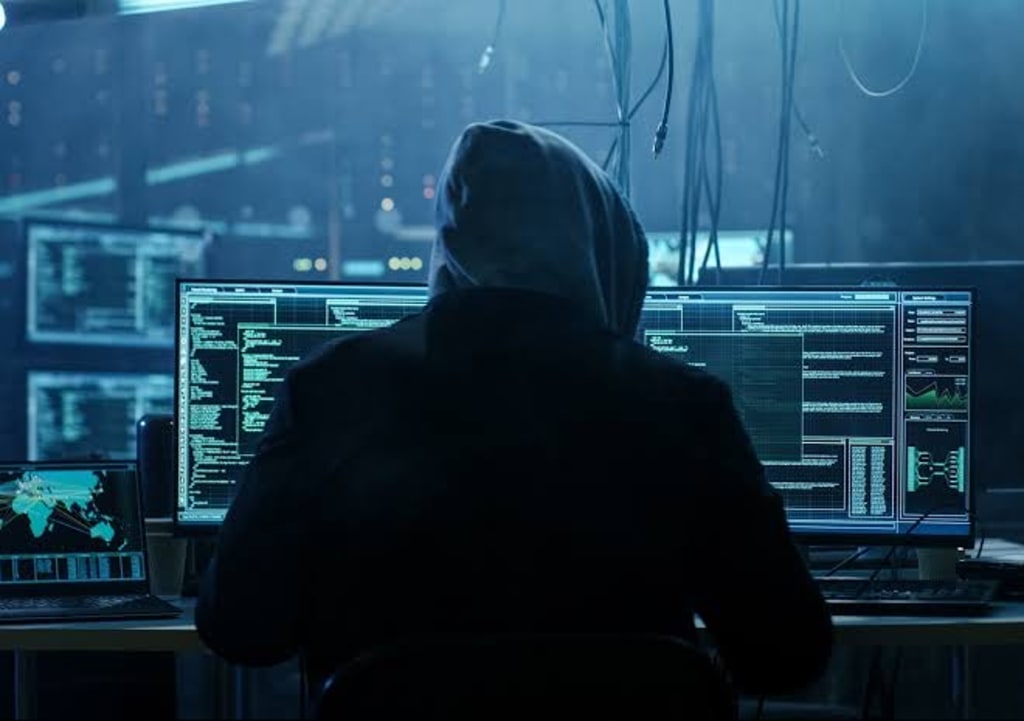
Introduction:
The Internet, with its vast expanse of information and connectivity, harbors a hidden world known as the Dark Web. Often depicted in movies and popular media as a hub for illicit activities, the Dark Web remains shrouded in mystery and misunderstanding. In this article, we aim to delve into the reality of the Dark Web, separating facts from fiction and exploring its various aspects.
Defining the Dark Web:
The Dark Web refers to a collection of websites and online platforms that are intentionally hidden from traditional search engines. It operates on a network called Tor (The Onion Router), which anonymizes users and their activities by encrypting and relaying internet traffic through a series of volunteer-operated servers. This network, originally developed for secure government communications, allows users to access hidden websites anonymously.
Anonymity and Privacy:
One of the main draws of the Dark Web is the anonymity it provides. Users can access websites and communicate without revealing their identity or location. While anonymity can be beneficial for individuals living under oppressive regimes or those with legitimate privacy concerns, it also attracts individuals seeking to engage in illegal activities.
Illicit Marketplaces and Activities:
The Dark Web has gained notoriety for its illegal marketplaces, where users can purchase drugs, weapons, stolen data, and other contraband. Cryptocurrencies like Bitcoin are often used for transactions, adding another layer of anonymity. Additionally, hackers-for-hire, counterfeiters, and fraudsters offer their services for a price. It is important to note, however, that while illegal activities exist on the Dark Web, they represent only a fraction of the overall content available.
Whistleblowing and Freedom of Speech:
Despite its association with illegal activities, the Dark Web also serves as a platform for whistleblowers and advocates of free speech. Websites like WikiLeaks have utilized the Dark Web to publish classified documents and expose government and corporate wrongdoing. For individuals living under repressive regimes, the Dark Web can be a vital tool for expressing dissent and accessing uncensored information.
The Dark Web and Law Enforcement:
Law enforcement agencies around the world are aware of the Dark Web and actively monitor its activities. While the anonymous nature of the Dark Web poses challenges, authorities have made significant strides in tracking down and prosecuting criminals operating within its realms. Coordinated efforts between international agencies have led to the takedown of major illicit marketplaces and the arrest of high-profile individuals.
The Dark Web's Limitations:
Despite its mystique, the Dark Web is not impervious to infiltration and disruption. Law enforcement agencies, cybersecurity experts, and ethical hackers actively work to identify vulnerabilities within the network. Moreover, scams and scams are prevalent on the Dark Web, making it a risky environment for inexperienced users. Malware, phishing attacks, and social engineering techniques are employed by malicious actors, highlighting the need for caution.
Conclusion:
The Dark Web, while undeniably associated with illegal activities, is a complex entity with multiple facets. It offers both anonymity and privacy to those who require it for legitimate reasons, but it also serves as a hub for illicit trade and cybercrime. The Dark Web's role in whistleblowing and advocating freedom of speech should not be overlooked, as it has played a significant part in exposing corruption and injustice. However, it is crucial to approach the Dark Web with caution, understanding its risks and the potential legal consequences of engaging in illegal activities. As technology evolves, the delicate balance between privacy and security will continue to shape the future of the Dark Web.
Emerging Trends and Future Implications:
As technology advances, the Dark Web continues to evolve, adapting to new challenges and opportunities. Some emerging trends within the Dark Web include the rise of decentralized marketplaces and the use of cryptocurrencies beyond Bitcoin. These developments make it increasingly difficult for law enforcement to track illegal activities and disrupt illicit networks.
Furthermore, the Dark Web has become a breeding ground for cybercriminals who develop and sell sophisticated hacking tools, ransomware, and zero-day exploits. This poses a significant threat to individuals, businesses, and even governments, as cyberattacks become more frequent and devastating.
In response, governments and law enforcement agencies worldwide are investing in cybersecurity measures and international collaborations to combat the Dark Web's criminal elements. The development of advanced algorithms and AI technologies to monitor and analyze Dark Web activities is a growing area of research.
Looking to the future, the regulation of the Dark Web poses a considerable challenge. Striking a balance between privacy and security is an ongoing debate, with implications for legislation, international cooperation, and ethical considerations. Authorities face the difficult task of curtailing illegal activities while respecting individual rights and freedom of expression.
Education and public awareness are also critical in addressing the Dark Web's reality. Promoting digital literacy, cybersecurity best practices, and responsible internet usage can empower users to navigate the online world safely and make informed decisions.
Conclusion:
The Dark Web remains an enigmatic realm within the depths of the internet. While it is associated with illegal activities and underground markets, it is also a platform for whistleblowing and freedom of speech. Understanding the reality of the Dark Web requires a nuanced perspective, acknowledging both its dark side and potential benefits.
As technology advances, the Dark Web will continue to present challenges and opportunities for individuals, governments, and law enforcement agencies. Striking a balance between privacy, security, and regulation will be essential to mitigate the risks associated with the Dark Web while preserving fundamental rights and freedoms.
In a digital age where technology plays an increasingly significant role in our lives, it is crucial to stay informed, exercise caution, and promote responsible digital citizenship. By doing so, we can navigate the complexities of the Dark Web and the broader internet landscape while safeguarding ourselves and our society.
About the Creator
Bebe Jimz
Hello, I'm Bebe Jimz, a professional content writer with a passion for crafting engaging and informative content. With several years of experience in the field, I have honed my skills in creating content
The Story of Black History Month
In the early 1900s, history books in the United States told an incomplete story. The contributions, struggles, and achievements of Black Americans were largely ignored or erased. One man recognized that this absence was not accidental—and that correcting it was essential for the future of the nation.
By Organic Products 6 days ago in Education


Comments
There are no comments for this story
Be the first to respond and start the conversation.