
The Psycologi
study of mental disorders and therapeutic interventions
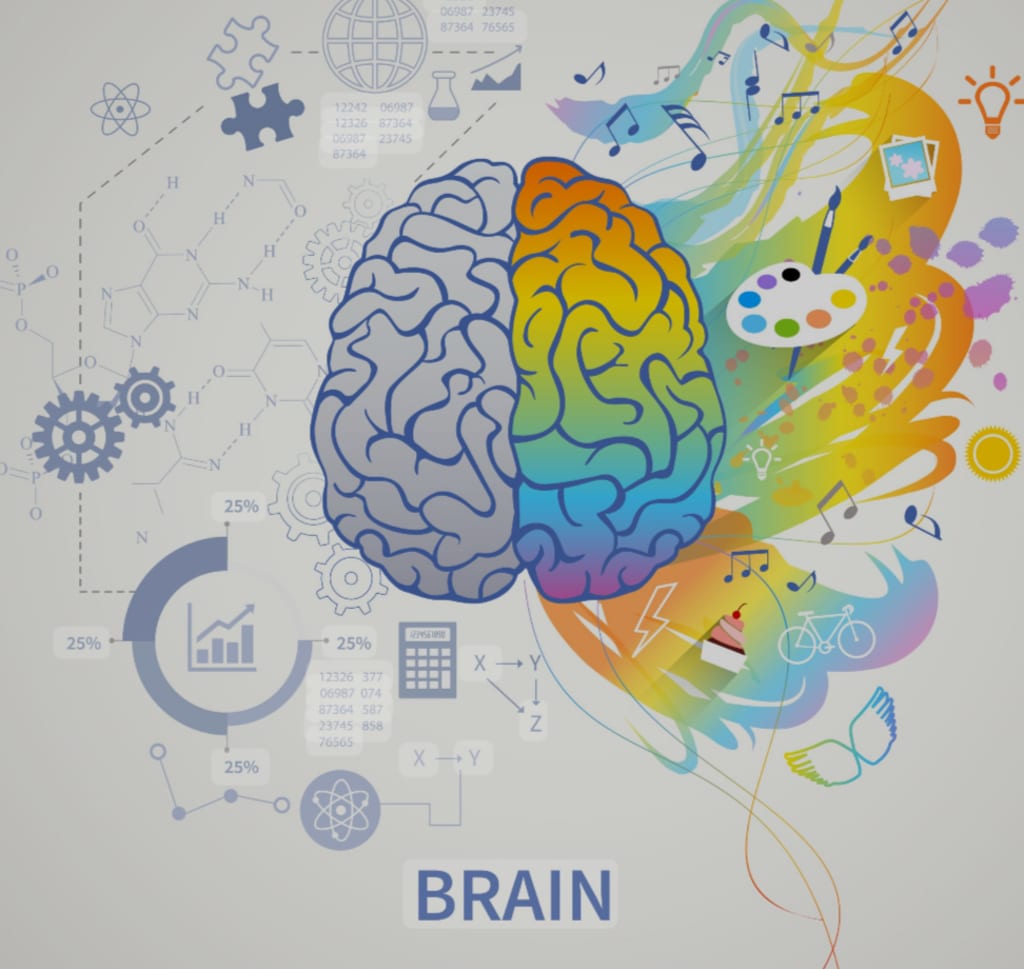
Psychology is the science that studies the behavior and mental processes of individuals, seeking to understand how thoughts, emotions, and actions interact. It encompasses a wide range of subdisciplines, from clinical psychology to cognitive psychology to social psychology to developmental psychology. Each of these branches offers unique perspectives on how individuals perceive the world and interact with their environment.
### History of Psychology
Psychology as a scientific discipline emerged during the 19th century, although reflections on human behavior date back to antiquity. Philosophers such as Socrates, Plato, and Aristotle laid the foundations of psychological thought. However, it was with Wilhelm Wundt, often considered the "father of psychology," that psychology began to define itself as a distinct science, in 1879, with the opening of his laboratory in Leipzig.
### The Great Theories of Psychology
1. **Behaviorism**: This approach emphasizes the observation of external behaviors and rejects introspective methods. Figures such as John Watson and B.F. Skinner have shown how behaviors can be conditioned by external stimuli, thus influencing education and therapy.
2. **Psychoanalysis**: Founded by Sigmund Freud, psychoanalysis explores the unconscious and the importance of past experiences. Freud introduced concepts such as the id, the ego and the superego, as well as defense mechanisms, which have profoundly influenced the understanding of mental illnesses.
3. **Humanistic Psychology**: With figures such as Carl Rogers and Abraham Maslow, this approach emphasizes personal growth and self-actualization. It values subjective experience and the importance of interpersonal relationships.
4. **Cognitive psychology**: This branch studies the mental processes involved in perception, memory, reasoning, and decision-making. Research in cognitive psychology has contributed to the understanding of many aspects of human functioning, influencing fields such as education and therapy.
### Applications of psychology
Psychology has practical applications in many fields:
- **Clinical**: Clinical psychologists treat mental and emotional disorders through a variety of therapies, including cognitive behavioral therapy (CBT) and psychodynamic therapy.
- **Education**: Educational psychology helps understand how individuals learn and develop in an academic setting. It contributes to the development of teaching methods adapted to the needs of students.
- **Work and organization**: Work psychology focuses on the behavior of individuals in the workplace, seeking to improve job satisfaction, productivity, and interpersonal relationships.
- **Health**: Health psychology studies the impact of psychological factors on physical health and well-being. It addresses issues such as stress, adaptation to illness, and health behaviors.
### Contemporary Issues
Contemporary psychology faces several challenges. The stigmatization of mental disorders remains a major problem, hindering access to care and understanding of psychological illnesses. In addition, the rise of digital technologies has changed human interactions and introduced new challenges, such as cyber addiction and the impact of social media on mental health.
Current research also examines the importance of diversity and inclusion in psychological practice, recognizing that culture, gender, and ethnicity influence individuals' experiences and perceptions.
Cross-cultural psychology plays a crucial role in adapting therapeutic practices to diverse cultural contexts. Here are some of the ways it influences these practices:
### 1. **Understanding Cultural Values**
Therapists must be aware of their clients’ cultural values and beliefs. This includes aspects such as family, community, and spirituality, which can influence perceptions of mental health and expectations for treatment.
### 2. **Adapting Therapeutic Approaches**
Therapeutic methods often need to be adapted to be culturally relevant. For example, an individual-centered approach may not be appropriate in collectivist cultures where the emphasis is on the group and interpersonal relationships.
### Conclusion
Psychology is a dynamic and constantly evolving discipline that seeks to understand the complex fabric of human life. Its contributions go far beyond simple theories; They touch on fundamental aspects of our existence, our relationships and our well-being. By offering tools to better understand and improve our daily lives, psychology continues to play an essential role in personal and social development.
About the Creator
Keep reading
More stories from Francky Antoine and writers in Education and other communities.
Mental health: A critical issue
Mental Health: A Critical Issue Mental health is a fundamental component of an individual's overall well-being. It includes our ability to manage our emotions, build healthy relationships, and cope with the challenges of daily life. Too often, mental health is overlooked or stigmatized, yet it is just as important as physical health.
By Francky Antoineabout a year ago in Critique
Top 10 Essential Skills for Success in 2026
By 2026, the job market is no longer driven only by degrees or titles. Technology, especially Artificial Intelligence (AI), automation, and remote work, has changed how companies operate and how people work. Many routine tasks are now handled by machines, while humans are expected to do work that requires thinking, judgment, creativity, and emotional understanding. This shift means that skills — not just education — determine success. The following 10 skills are considered essential for 2026 because they combine technology awareness with human intelligence. Let’s understand them one by one, step by step.
By Talha khan5 days ago in Education




Comments
There are no comments for this story
Be the first to respond and start the conversation.