
The Psychology of Money: Timeless Lessons on Wealth, Greed, and Happiness[Book]
Summary,Main Points and 10 lessons from Book

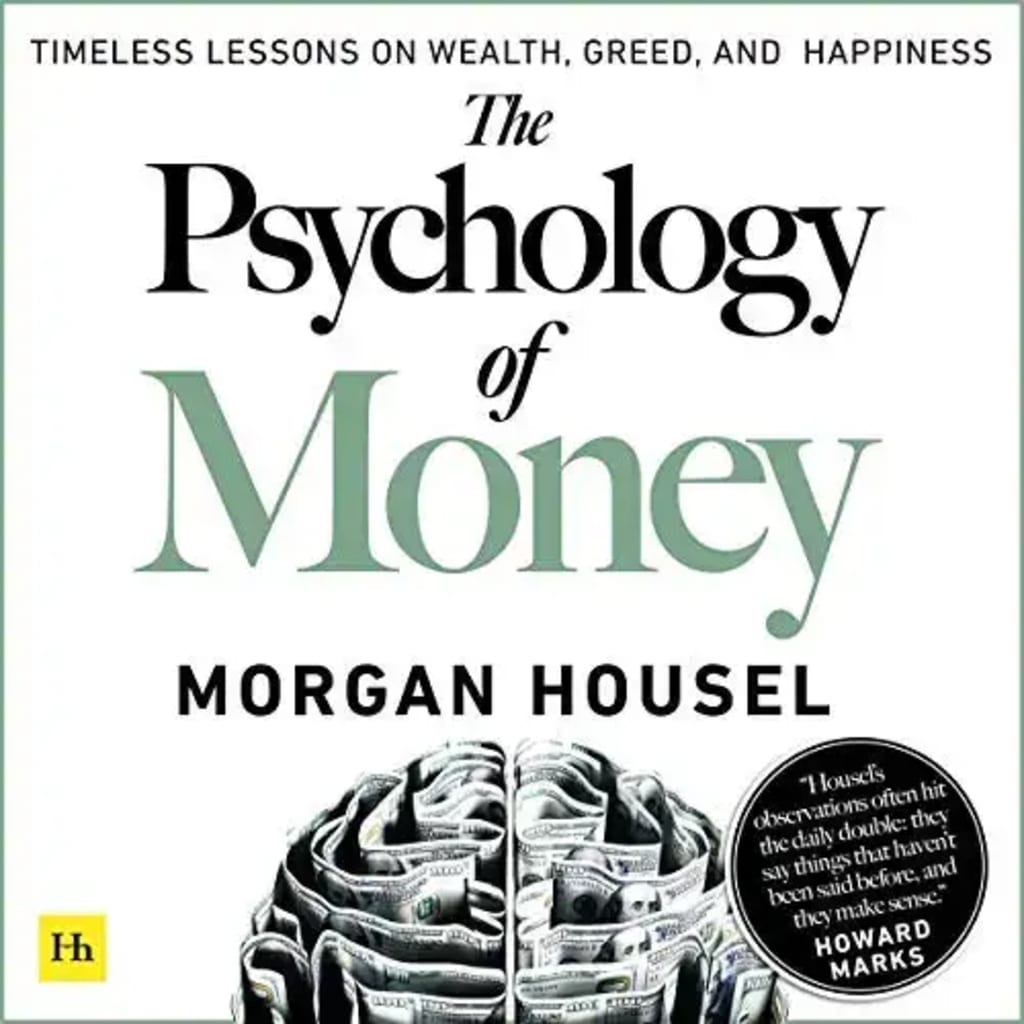
"The Psychology of Money: Timeless Lessons on Wealth, Greed, and Happiness" is a book by Morgan Housel that explores the emotional and psychological aspects of money and wealth.
The book covers a wide range of topics, including the relationship between money and happiness, the impact of wealth on relationships and personal identity, the psychological biases that impact investment decisions, and the history of financial booms and busts.
Throughout the book, Housel argues that our perceptions of money and wealth are shaped by our experiences, beliefs, and cultural context. He also highlights the importance of understanding the emotional and psychological factors that influence our financial behavior, in order to make better decisions and avoid common financial mistakes.
The book provides practical lessons and insights on how to manage money effectively, such as the importance of having a long-term perspective, saving and investing consistently, and avoiding greed and short-term thinking.
In conclusion, "The Psychology of Money" offers a unique and insightful look into the emotional and psychological aspects of money and wealth, providing valuable lessons and insights for anyone looking to improve their financial well-being.
MAIN POINTS OF BOOK
The main points of "The Psychology of Money: Timeless Lessons on Wealth, Greed, and Happiness" by Morgan Housel are:
- The impact of money on emotions and happiness: The book explores the relationship between money and happiness and how our perceptions of wealth and financial success are shaped by our experiences and cultural context.
- Understanding psychological biases: The book highlights the importance of understanding the psychological biases that influence our financial behavior, in order to make better investment decisions and avoid common mistakes.
- The importance of long-term perspective: The author argues that having a long-term perspective and avoiding short-term thinking is crucial for successful financial management.
- The impact of wealth on relationships and identity: The book explores how wealth can impact personal relationships and personal identity, and how our beliefs about money shape our behavior.
- The history of financial booms and busts: The book provides historical context and lessons from past financial crises and booms, to help readers better understand the psychological factors that drive financial behavior.
- Practical lessons for financial management: The author provides practical lessons and insights on how to manage money effectively, such as the importance of saving and investing consistently, avoiding greed, and understanding the emotional and psychological factors that influence our financial behavior.
10 LESSONS FROM BOOK
The book contains several lessons about personal finance and the emotional and psychological aspects of money and wealth. Here are ten key lessons from the book:
- The relationship between money and happiness is complex: Money can bring happiness, but it is not the only factor. Our perceptions of wealth and financial success are shaped by our experiences and cultural context.
- Understanding psychological biases is important: Understanding the psychological biases that influence our financial behavior can help us make better investment decisions and avoid common mistakes.
- Long-term perspective is crucial: Having a long-term perspective and avoiding short-term thinking is important for successful financial management.
- Wealth can impact personal relationships and identity: Wealth can have a significant impact on personal relationships and personal identity, and it is important to be mindful of these effects.
- History provides valuable lessons: Past financial crises and booms can provide valuable lessons about the psychological factors that drive financial behavior.
- Consistent saving and investing is important: Consistently saving and investing is crucial for financial stability and growth.
- Avoiding greed is important: Greed can lead to impulsive and short-sighted financial decisions, and it is important to avoid it.
- Emotional intelligence is important: Understanding and managing our emotions is crucial for making sound financial decisions.
- Financial education is essential: Financial education and understanding the emotional and psychological aspects of money and wealth are essential for successful financial management.
- Personal values play a role: Personal values and beliefs about money shape our financial behavior, and it is important to be aware of them and to align our financial decisions with our values.
And there you have it! Many thanks for persisting to the end of this article! Hope you have found it helpful.
If you like this article don't forget to give a clap(Pro tip: It's free)
About the Creator
𝐒 𝐀 𝐐 𝐄 𝐁 𝐀 𝐌 𝐈 𝐍
WE ARE WHAT WE CHOOSE
Keep reading
More stories from 𝐒 𝐀 𝐐 𝐄 𝐁 𝐀 𝐌 𝐈 𝐍 and writers in Education and other communities.
Summary of Rich Dad Poor Dad [Book]
"Rich Dad Poor Dad" is a personal finance book by Robert Kiyosaki. It teaches the importance of financial literacy and challenges traditional ways of thinking about money and investing. The book argues that building assets, such as rental property or a small business, is key to achieving financial freedom, and that having a "rich dad" mindset, which prioritizes financial education and taking calculated risks, is more important than a high income.
By 𝐒 𝐀 𝐐 𝐄 𝐁 𝐀 𝐌 𝐈 𝐍3 years ago in Education
How Learning About Global Health Gives Early Impacts to Medical Students
Medical students begin forming their professional identities long before they enter residency, and early exposure to global health giving plays a decisive role in shaping those identities. While traditional training emphasizes diagnostics and clinical precision, global learning encourages students to understand the broader human context behind every medical decision.
By Dr. Seth Eidemiller7 days ago in Education
Why Do We Dream?
In the third millenium BCE, Mesopotamian kings recorded and interpreted their dreams on wax tablets. A thousand years later, Ancient Egyptians wrote a dream book listing over a hundred common dreams and their meanings. And in the years since, we haven't paused in our quest to understand why we dream. So, after a great deal of scientific research, technological advancement, and persistence, we still don't have any definite answers, but we have some interesting theories. We dream to fulfill our wishes.
By Munesh Yadavabout 5 hours ago in Education
So You Decided To Become a Nurse Practitioner:
So you decided to become an "Advanced Practice" nurse. Congratulations!... is what I would say if this was a good idea. Grad school? In this economy? What were you thinking? Likely it was something along the lines of either 1) “I've seen these other chucklefucks do it— Why can't I?” or even 2) “I've got a nice career, I should shake it up. I miss feeling like I have no clue what I'm doing.”
By Sandor Szabo3 days ago in Fiction



Comments
There are no comments for this story
Be the first to respond and start the conversation.