
The Prostate: An Essential Gland for Men's Health
When You Can’t Pee, Try This 60-Second Powerful Ritual...
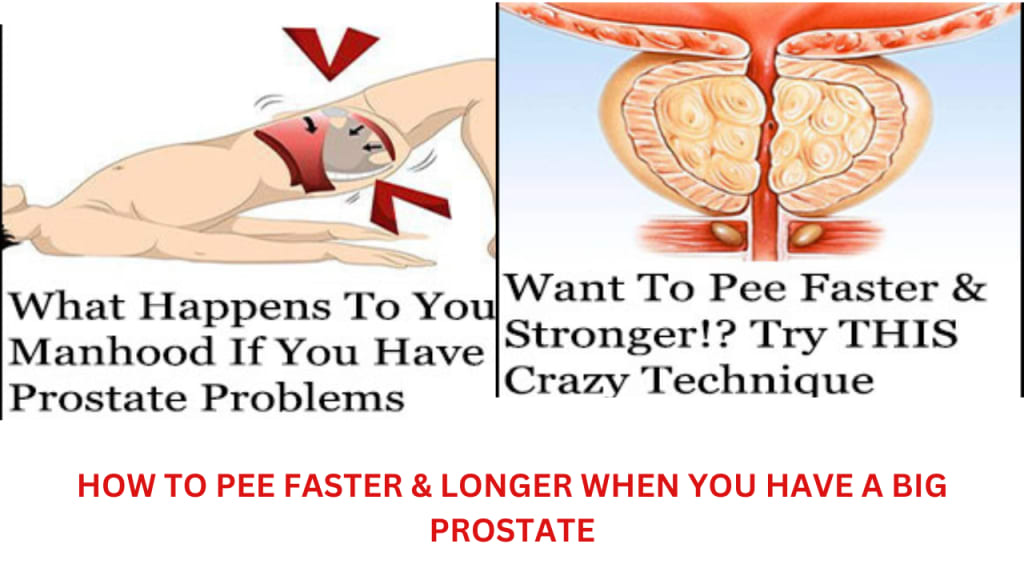
Men's Health
Learn about the prostate gland, its functions, and common prostate health issues in men. Discover preventive measures and treatment options to maintain a healthy prostate.
The prostate gland is a small, walnut-shaped gland located beneath the bladder and in front of the rectum in men. It is an essential part of the male reproductive system that produces and stores seminal fluid, a milky substance that transports sperm during ejaculation.
However, the prostate gland can also be the source of various health problems, including benign prostatic hyperplasia (BPH), prostatitis, and prostate cancer. These conditions can cause discomfort and affect a man’s quality of life.
Prostate gland
What is the Prostate Gland?
The prostate gland is a vital part of the male reproductive system that produces and stores seminal fluid. It is located just below the bladder and in front of the rectum. The gland surrounds the urethra, the tube that carries urine and semen out of the body.
How Does the Prostate Gland Work?
The prostate gland produces and stores seminal fluid, which is essential for sperm transportation during ejaculation. The gland also helps to control urine flow by contracting and relaxing the muscles around the urethra.
Common Prostate Health Issues
Benign Prostatic Hyperplasia (BPH)
BPH is a common condition in men over the age of 50, characterized by the enlargement of the prostate gland. The enlarged gland can squeeze the urethra, causing difficulty in urination, frequent urination, and incomplete emptying of the bladder.
Prostatitis
Prostatitis is the inflammation of the prostate gland, often caused by bacterial infection. Symptoms of prostatitis include painful urination, pelvic pain, and difficulty ejaculating.
Prostate Cancer
Prostate cancer is the second most common cancer in men, after skin cancer. It occurs when abnormal cells grow and multiply uncontrollably in the prostate gland. Prostate cancer often grows slowly and may not cause symptoms in the early stages.
Prostate
Preventive Measures for a Healthy Prostate
Maintain a Healthy Diet
A healthy diet that includes fruits, vegetables, whole grains, and lean protein can help reduce the risk of prostate cancer and other prostate health issues.
Regular Exercise
Regular physical activity can help maintain a healthy weight and reduce the risk of prostate cancer and BPH.
Quit Smoking
Smoking has been linked to an increased risk of prostate cancer and other health problems. Quitting smoking can improve overall health and reduce the risk of prostate cancer.
Reduce Alcohol Consumption
Excessive alcohol consumption has been linked to an increased risk of prostate cancer and BPH. Limiting alcohol intake can help maintain a healthy
Regular Prostate Screening
Regular prostate screening is essential for early detection of prostate cancer and other prostate health issues. Men over the age of 50 should undergo regular prostate-specific antigen (PSA) tests and digital rectal exams (DREs) to monitor their prostate health.
FAQs:
Q: What is the prostate gland?
A: The prostate gland is a small, walnut-shaped gland located below the bladder in men. It produces and secretes prostate fluid, which is a component of semen.
Q: What are some common prostate health issues?
A: The most common prostate health issues include benign prostatic hyperplasia (BPH), prostatitis, and prostate cancer.
Q: What is BPH?
A: BPH is a non-cancerous enlargement of the prostate gland that can cause urinary problems such as difficulty urinating or frequent urination.
Q: What is prostatitis?
A: Prostatitis is an inflammation of the prostate gland that can cause pain, discomfort, and difficulty urinating.
Q: What is prostate cancer?
A: Prostate cancer is a malignant tumor that develops in the prostate gland. It can cause symptoms such as difficulty urinating, blood in the urine or semen, and bone pain.
Q: Who is at risk for prostate cancer?
A: Men over the age of 50, men with a family history of prostate cancer, and African American men are at higher risk for developing prostate cancer.
About the Creator
Is There a Fifth Fundamental Force?
The Four Known Fundamental Forces Modern physics describes nature using four fundamental forces: 1. Gravity Gravity is the weakest but most familiar force. It governs the motion of planets, stars, and galaxies, shaping the large-scale structure of the universe. Despite its importance, gravity remains the least understood at the quantum level.
By shahkar jalalabout 20 hours ago in Education



Comments
There are no comments for this story
Be the first to respond and start the conversation.