
The Pros and Cons of Colonic Irrigation
Pros and Cons of Colon Hydrotherapy

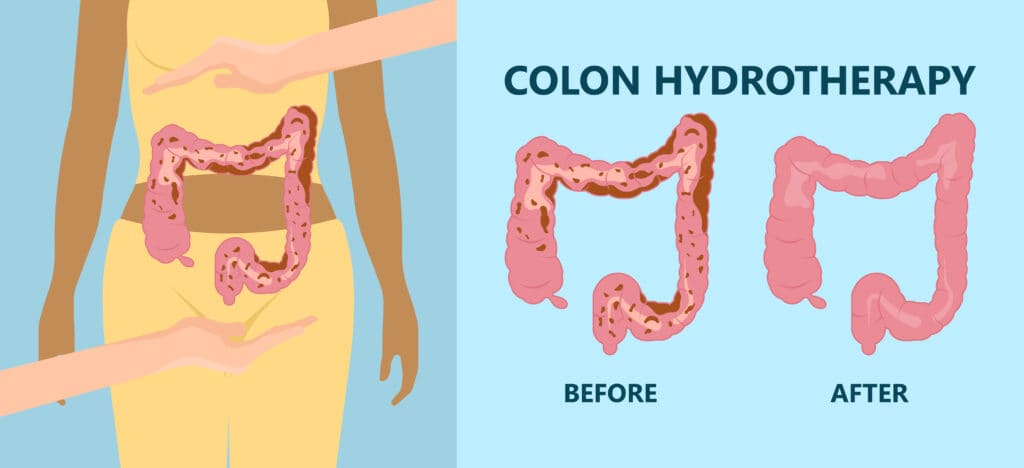
I. Introduction
Colonic irrigation, also known as colon hydrotherapy, is a complementary therapy that involves the gentle infusion of warm water into the colon through a tube inserted into the rectum. The practice has gained popularity in recent years as a way to improve digestive health, relieve constipation and bloating, and detoxify the body. However, like any medical intervention, there are potential risks and side effects to consider. This article aims to explore the potential benefits and risks of colonic irrigation to help readers make an informed decision about whether the practice is right for them.
II. The Pros of Colonic Irrigation
A. Promotes Digestive Health
Removes Waste and Toxins
One of the primary benefits of colonic irrigation is that it removes accumulated waste and toxins from the colon. This can help to improve overall digestive function and prevent the build-up of harmful substances in the body. By removing excess waste, the colon is able to absorb nutrients more efficiently, leading to better overall health and well-being.
Improves Nutrient Absorption
Another benefit of colonic irrigation is that it can improve the absorption of nutrients in the colon. When waste and toxins accumulate in the colon, they can block the absorption of essential nutrients from food. By removing this build-up, the colon is better able to absorb the nutrients it needs to function optimally.
B. Relieves Constipation and Bloating
Softens Stool and Encourages Bowel Movements
Colonic irrigation can also help to relieve constipation by softening stool and encouraging bowel movements. When waste becomes compacted in the colon, it can lead to constipation and difficulty passing stool. Colonic irrigation can help to soften the stool and stimulate the colon to promote regular bowel movements.
Reduces Gas and Bloating
Finally, colonic irrigation can help to reduce gas and bloating by removing excess waste from the colon. When the colon is bloated or distended, it can lead to discomfort and embarrassment. By removing this excess waste, the colon can return to its normal size and reduce the symptoms of gas and bloating.
III. The Cons of Colonic Irrigation
A. Potential Risks and Side Effects
While there are potential benefits to colonic irrigation, there are also risks and side effects to consider. These include:
Dehydration and Electrolyte Imbalance
Colonic irrigation involves the infusion of water into the colon, which can lead to dehydration and electrolyte imbalances if not properly managed. This is especially true for individuals with pre-existing health conditions or those who are taking certain medications.
Bowel Perforation and Infection
There is also a risk of bowel perforation and infection associated with colonic irrigation. This can occur if the tube used during the procedure is inserted too far or if the equipment used is not properly sterilized.
B. Lack of Scientific Evidence
Another potential drawback of colonic irrigation is the lack of scientific evidence supporting its use. While there are anecdotal reports of its benefits, there have been limited studies on its safety and effectiveness.
Limited Studies and Inconclusive Results
Most of the studies that have been conducted on colonic irrigation have been small and poorly designed, making it difficult to draw definitive conclusions about its safety and effectiveness. While some studies have suggested that it may be beneficial for certain conditions, such as constipation, others have found no significant benefits.
Alternative Methods for Digestive Health
Finally, there are alternative methods for improving digestive health that may be more effective and less risky than colonic irrigation. These include dietary changes, probiotics, and exercise, among others.
IV. Conclusion
In conclusion, colonic irrigation may offer some benefits for improving digestive health and relieving constipation, and weighing the potential benefits and risks of colonic irrigation is a personal decision that requires careful consideration. While it may offer some advantages in promoting digestive health, it also poses certain risks that should not be ignored. Therefore, it is essential to educate yourself about the pros and cons of colonic irrigation before deciding if it is the right choice for you.
Overall, it is important to keep in mind that there is a lack of scientific evidence supporting the benefits of colonic irrigation. There are also other methods available for improving digestive health, such as consuming a balanced diet, drinking plenty of water, and exercising regularly. It is always a good idea to consult with a healthcare professional before making any major changes to your health routine.
In conclusion, the popularity of colonic irrigation has increased in recent years, with many claiming its benefits in promoting digestive health. While it may offer some advantages, such as removing waste and toxins and relieving constipation and bloating, it also poses potential risks, including dehydration and bowel perforation. It is essential to carefully weigh the pros and cons before deciding if colonic irrigation is right for you. And always remember, alternative methods are available for maintaining digestive health, and consulting with a healthcare professional is highly recommended before attempting any new health routine.
About the Creator
Keep reading
More stories from The custom websites and writers in Education and other communities.
The Role of Storytelling in CBD Content Writing
Storytelling has been an integral part of human communication since ancient times. It captivates our attention, evokes emotions, and helps us make sense of the world around us. In the context of CBD content writing, storytelling plays a crucial role in engaging the target audience, building brand loyalty, and conveying the benefits and values of CBD products. This article explores the significance of storytelling in CBD content writing and how it can be effectively utilized to create compelling and impactful content.
By The custom websites3 years ago in Education
Top 10 SEO Experts In Pakistan In 2026
Introduction Search optimization in 2026 no longer revolves around keywords or isolated ranking tactics. Google’s AI Overviews, entity-based indexing, and answer-first systems have changed how visibility is earned. Search engines now evaluate meaning, credibility, and contextual authority rather than mechanical signals.
By Sajid Ali Shar6 days ago in Education
The Living Language of Creativity: Why Art Continues to Shape Human Experience
Art has existed for as long as humans have sought to express meaning beyond survival. Universal creative dialogue allows people to communicate emotions, beliefs, and ideas that cannot always be captured through words alone. From early symbolic markings to contemporary visual culture, art reflects how individuals and societies understand themselves and the world around them.
By Marissa Haugh4 days ago in Education




Comments
There are no comments for this story
Be the first to respond and start the conversation.