
The Power of the Novel:
An Exploration of its Enduring Influence

Introduction:
The novel, as a literary form, has captivated readers for centuries with its ability to transport us to different worlds, ignite our imaginations, and evoke a wide range of emotions. From the classics to contemporary works, novels have stood the test of time, leaving an indelible mark on our culture and shaping our collective consciousness. This essay delves into the power of the novel, examining its enduring influence and the reasons behind its timeless appeal.
Escapism and Imagination
One of the primary reasons why novels hold such sway over us is their ability to offer an escape from reality. Through the vivid descriptions, rich characters, and intricate plots, novels transport us to faraway lands, different time periods, and alternative realities. Whether it is a science fiction epic, a historical drama, or a fantastical adventure, novels allow us to explore realms beyond our own, firing up our imagination in the process. They enable us to experience new perspectives, broaden our horizons, and open our minds to endless possibilities.
Emotional Connection and Empathy:
Novels have a unique capacity to evoke deep emotions within us. As readers, we develop a personal connection with the characters, investing our emotions in their triumphs, struggles, and heartbreaks. Through their journeys, we experience a range of emotions: joy, sorrow, anger, and love. This emotional connection cultivates empathy, as we gain insight into the human condition and develop a greater understanding of the diverse experiences of others. Novels have the power to bridge gaps, fostering compassion and fostering a sense of shared humanity.
Social Commentary and Reflection:
Throughout history, novels have served as a powerful medium for social commentary and critique. Many authors have used their works to address pressing societal issues, shining a light on injustice, inequality, and the complexities of human nature. Novels such as George Orwell's "1984," Harper Lee's "To Kill a Mockingbird," and Margaret Atwood's "The Handmaid's Tale" have sparked important conversations and prompted introspection. By depicting the realities of the world we live in or envisioning dystopian futures, novels invite readers to reflect on their own beliefs, values, and the state of society.
Personal Growth and Self-Discovery:
Novels offer more than mere entertainment; they can be transformative experiences that facilitate personal growth and self-discovery. Through the journeys of fictional characters, we often find parallels with our own lives, allowing us to gain insight into our own struggles, desires, and aspirations. Novels provide us with a safe space to explore complex emotions and confront universal truths. They encourage introspection and self-reflection, offering solace, guidance, and the inspiration to navigate our own journeys with renewed understanding and purpose.
Language and Literary Craftsmanship:
The novel's allure is not solely derived from its content but also from the artistry of language and the craftsmanship of the writer. A beautifully crafted sentence, a captivating metaphor, or a poignant dialogue can stir our souls and leave a lasting impression. Novels are a testament to the power of words and the immense creativity of authors. Through their skillful manipulation of language, writers create worlds that resonate with readers and weave narratives that endure across generations.
Community and Cultural Influence:
Novels have the power to bring people together, fostering a sense of community and shared experience. Book clubs, literary festivals, and online reading groups are all testament to the enduring popularity and impact of novels. They provide a platform for readers to connect, discuss, and engage with the themes, characters, and ideas presented in the books they love. Moreover, novels contribute to the cultural fabric of society, shaping our understanding of history, influencing popular culture, and inspiring adaptations in film, theater, and other art forms.
Conclusion:
In conclusion, the novel holds an undeniable power over our hearts and minds. Its ability to transport us, evoke emotions, inspire empathy, provoke reflection, and facilitate personal growth is a testament to its enduring influence. Through the written word, novels ignite our imagination, challenge our perspectives, and offer solace in times of uncertainty. As readers, we find solace, enlightenment, and a deep connection with the characters and stories that have stood the test of time. The novel continues to shape our lives, our culture, and our understanding of the world, ensuring its relevance for generations to come.
About the Creator
Keep reading
More stories from Eleazar Appiah and writers in Education and other communities.
Unraveling the Mystery of American Gods:
Introduction: Neil Gaiman's critically acclaimed novel "American Gods" captivated readers with its unique blend of mythology, fantasy, and mystery. The book explores the idea that ancient gods exist in America, brought to the new world by immigrants, and now face an existential struggle against modernity and new gods. In this article, we delve into the enigmatic world of "American Gods" and attempt to unravel the mysteries that lie within its pages.
By Eleazar Appiah3 years ago in Education
Why Mentoring Clinicians Is Key to Sustainable Patient-Centered Innovation
Clinician mentorship shapes the foundation for long-term, patient-centered innovation by strengthening skills, encouraging creative problem-solving, and building confidence across healthcare teams. Experienced mentors guide clinicians through complex decision-making while helping them understand how innovation grows from everyday patient interactions.
By Dr. Janet Chollet4 days ago in Education
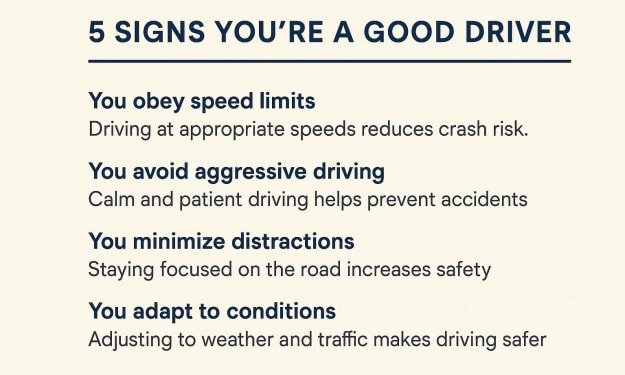
5 signs you're a good driver
As one of the agency’s best employees, you’ve been selected as a finalist to potentially take on a new top-secret mission. You've already shown your aptitude for surveillance and disguise, but the agency is looking to test one last critical skill: how well you can drive. To prove yourself, you’ll need to complete a series of complicated challenges behind the wheel. As the test begins, you notice that the distances between yourself and the cars around you are being meticulously monitored. One of the most widely recommended strategies when it comes to safe driving
By Munesh Yadavabout 13 hours ago in Education
Affection and Healing for Yourself
During the night of the last quarter moon, I gathered my ritual supplies. I carefully handled the chunk of black tourmaline that would protect me from your overall negative and narcissistic energy. I carefully walked the house with my stick of selenite in hand, asking the universe to cleanse our working space.
By Alisha Wilkins ✒️🦋🖋️5 days ago in Fiction



Comments
There are no comments for this story
Be the first to respond and start the conversation.