
The Power of Plant-Based Diets: How Going Vegan Can Transform Your Health and the Environment
Plant-Based Diets: Transforming Your Health and the Environment
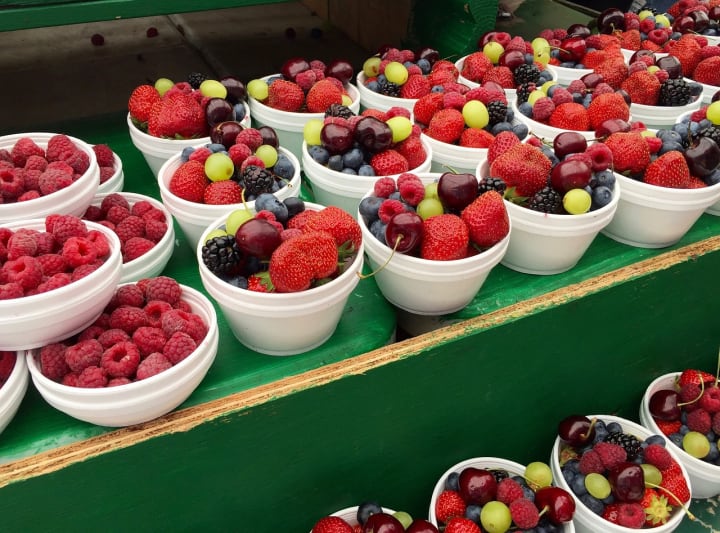
The concept of a plant-based diet has been around for decades, but it has only recently gained widespread attention as a powerful tool for promoting health and sustainability. With a growing body of research supporting the benefits of plant-based diets, it's no surprise that more and more people are choosing to go vegan. In this article, we'll explore the power of plant-based diets and why going vegan can transform your health and the environment.
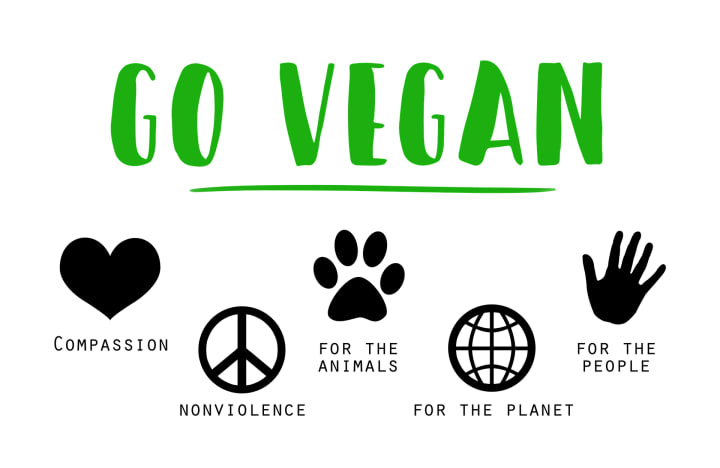
What is a plant-based diet?
A plant-based diet is a diet that focuses on foods derived from plants, including fruits, vegetables, grains, legumes, nuts, and seeds. This type of diet may also include small amounts of animal products such as meat, fish, eggs, and dairy, but these are not the main focus of the diet.
Plant-based diets can take many different forms, from vegetarianism to veganism to raw foodism. However, the core principles remain the same: to eat a diet that is rich in plant-based foods and low in animal products.
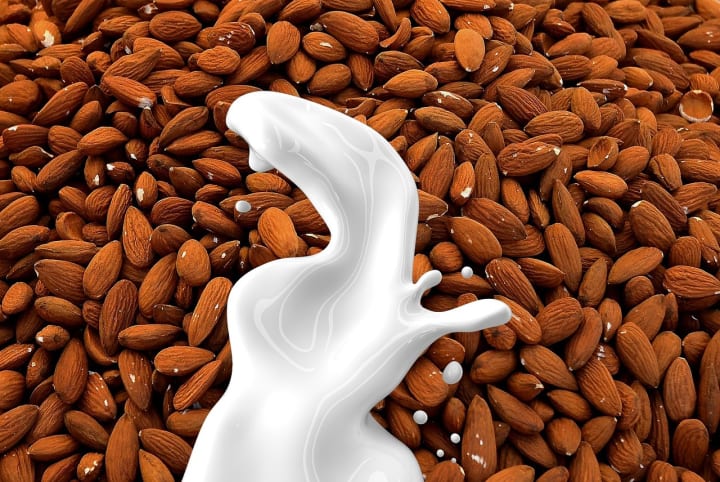
The benefits of a plant-based diet for your health
There is a growing body of research that shows the many benefits of plant-based diets for your health. Here are just a few of the ways that going vegan can transform your health:
1. Lower risk of chronic diseases: Plant-based diets have been shown to lower the risk of chronic diseases such as heart disease, diabetes, and certain types of cancer. This is because plant-based diets are typically high in fiber, vitamins, and minerals, and low in saturated fat and cholesterol.
2. Improved gut health: Plant-based diets are rich in prebiotic fibers that feed the healthy bacteria in your gut. This can help to improve gut health and reduce the risk of conditions such as inflammatory bowel disease.
3. Better weight management: Plant-based diets are typically lower in calories and higher in fiber than diets that include animal products. This can help you to manage your weight more effectively and reduce the risk of obesity.
4. Increased energy levels: Plant-based diets are rich in complex carbohydrates, which provide a steady source of energy throughout the day. This can help to improve your energy levels and reduce feelings of fatigue.
5. Better mood and mental health: Plant-based diets are rich in nutrients that are essential for brain health, such as omega-3 fatty acids, B vitamins, and iron. This can help to improve your mood and reduce the risk of depression and anxiety.

The benefits of a plant-based diet for the environment
In addition to the many benefits for your health, plant-based diets are also an important tool for promoting sustainability and protecting the environment. Here are just a few of the ways that going vegan can transform the environment:
1. Reduced greenhouse gas emissions: The production of animal products is a major contributor to greenhouse gas emissions, which contribute to climate change. By choosing to eat a plant-based diet, you can significantly reduce your carbon footprint and help to mitigate the effects of climate change.
2. Reduced land use: Animal agriculture requires a significant amount of land to produce feed and raise livestock. By reducing your consumption of animal products, you can help to reduce the amount of land required for agriculture and protect natural habitats.
3. Reduced water use: Animal agriculture is also a major consumer of water, with some estimates suggesting that it can take up to 2,500 gallons of water to produce a single pound of beef. By choosing to eat a plant-based diet, you can significantly reduce your water footprint and help to conserve this valuable resource.
4. Reduced pollution: Animal agriculture is a major source of pollution, with waste from livestock operations contributing to air and water pollution. By reducing your consumption of animal products, you can help to reduce the amount of pollution generated by this industry.
5. Improved biodiversity: By reducing the demand for animal products, we can help to protect and preserve natural habitats and promote biodiversity. This is because animal agriculture often leads to the destruction of forests and other natural ecosystems in order to make way for grazing land and feed production. By choosing to eat a plant-based diet, we can help to protect these habitats and promote a healthier and more sustainable planet for future generations.

How to transition to a plant-based diet
If you're interested in transitioning to a plant-based diet, there are a few things you can do to make the process easier and more sustainable:

1 Start slow: Transitioning to a plant-based diet doesn't have to happen overnight. Start by incorporating more plant-based foods into your diet and gradually reducing your intake of animal products. This can help you to adjust to the new diet and avoid feeling overwhelmed.
2. Experiment with new recipes: Plant-based diets can be incredibly diverse and flavorful. Experiment with new recipes and ingredients to find meals that you enjoy and that fit your dietary needs.
3. Focus on nutrient-dense foods: When transitioning to a plant-based diet, it's important to focus on nutrient-dense foods such as fruits, vegetables, whole grains, legumes, nuts, and seeds. These foods provide the essential vitamins, minerals, and fiber that your body needs to thrive.
4. Consider supplementation: If you're concerned about getting enough of certain nutrients, such as vitamin B12, you may want to consider taking a supplement. Talk to your healthcare provider to determine if supplementation is right for you.
5. Connect with others: Finding a community of people who are also interested in plant-based diets can be incredibly helpful. Look for local groups or online communities where you can connect with others and share tips and advice.

Conclusion
The power of plant-based diets is undeniable. Not only can a plant-based diet promote better health and wellbeing, but it can also help to protect the environment and promote sustainability. By choosing to eat a diet that is rich in plant-based foods and low in animal products, we can create a healthier and more sustainable future for ourselves and for the planet. So why not give it a try and see how going vegan can transform your health and the environment?
About the Creator
Keep reading
More stories from Abhishek Sharma and writers in Education and other communities.
Why Mental Health Matters: Tips and Strategies for Coping with Stress and Anxiety
Mental health is an essential aspect of our overall well-being. It is the state of our psychological and emotional well-being, which can affect our thoughts, feelings, and behavior. In recent times, mental health has been gaining more attention, and with good reason. Stress, anxiety, and other mental health issues are on the rise, affecting millions of people worldwide.
By Abhishek Sharma3 years ago in Education
Empathy as a Guiding Force in the Future of Digital Financial Services
The role of empathy in the future of digital financial services is becoming more important as technology continues to expand. While digital tools offer speed and convenience, customers still want to feel understood and supported. They want financial experiences that respect their emotions, simplify their decisions, and guide them through moments of uncertainty. Empathy allows financial institutions to design digital services that respond to real human needs rather than relying solely on automated functions. This shift toward empathy-driven design strengthens trust and creates meaningful connections between customers and their financial providers.
By Jason Barakat2 days ago in Education
Smart College Planning Tips Every Family Should Know Before Applying to College
College planning can feel overwhelming for students and parents. There are many decisions to make, and each one can affect the future. With the right approach, the process becomes clearer and more manageable. Smart college planning tips help families stay prepared, avoid common mistakes, and move forward with confidence. This article shares simple and practical guidance to support students and parents through every stage of college planning.
By Michael Petruska3 days ago in Education


Comments
There are no comments for this story
Be the first to respond and start the conversation.