
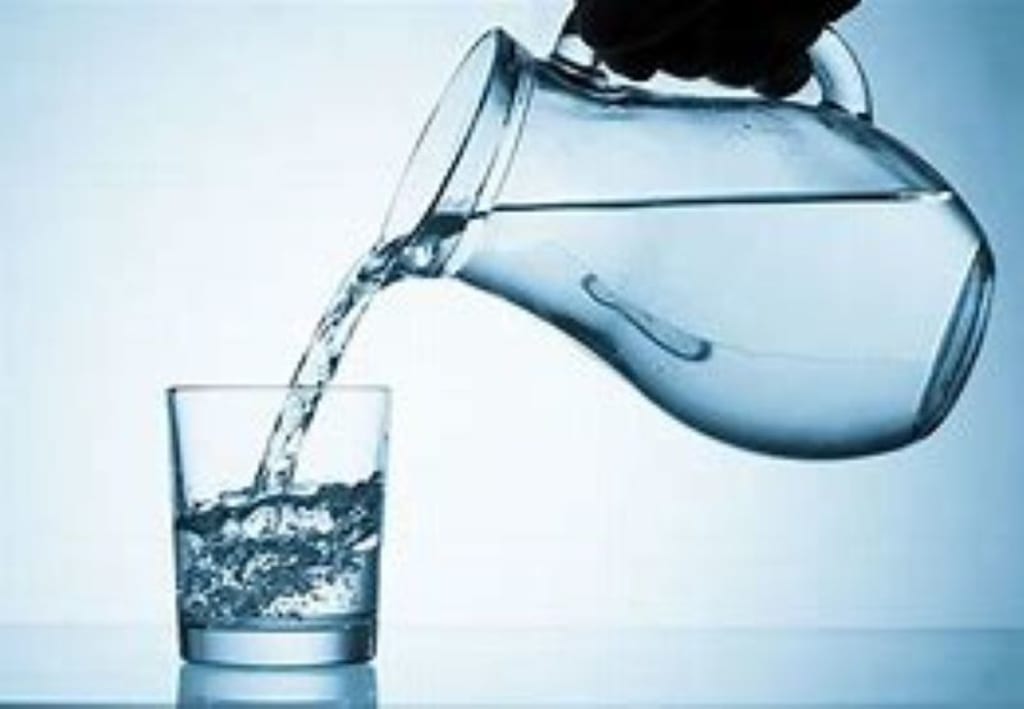
When we hear the word "poison," our minds often conjure up images of lethal substances like arsenic or cyanide. However, there is a lesser-known contender that may surprise you: water. Water is essential for life, but under specific circumstances, it can be as dangerous as any toxic compound.
The Role of Kidneys and Water Balance:
The kidneys play a crucial role in filtering excess waste and water from our bloodstream. On average, they can process approximately 800 to 1,000 milliliters of water per hour. If one were to consume more water than their kidneys can handle without vomiting, trouble may arise. Drinking excessively surpasses the kidneys' processing capacity, leading to the accumulation of water in the cells.
Disturbance in Cellular Balance:
Under normal circumstances, our cells are surrounded by a meticulously balanced solution of sodium and water. This delicate balance is maintained through the flow of these substances in and out of the cell through tiny openings in the cellular membrane. However, when excessive amounts of water are consumed, the sodium solution becomes diluted, causing reduced salinity. As a result, some of the excess water rushes into the cells to restore equilibrium, causing them to swell. Medical professionals term this condition water intoxication, and it poses a significant threat.
The Impact on Brain Cells:
While most cells can tolerate some degree of swelling due to their soft and flexible nature, brain cells face a different challenge. Encased within the skull, which lacks elasticity, the brain has limited room to expand. As brain swelling occurs, pressure builds up within the cranial cavity. Initially, symptoms such as headaches, confusion, and drowsiness may manifest. However, as pressure increases, the risk of brain damage, coma, and even death escalates. In some cases, the progression from water intoxication to fatality can occur within a span of less than 10 hours. Startlingly, real-life incidents demonstrate the gravity of this issue. For instance, a 64-year-old woman lost her life after consuming 30 to 40 glasses of water in a single evening, and a group of US Army trainees experienced vomiting and seizures following the consumption of over two liters of water per hour after rigorous training.
Water Intoxication and Marathon Runners:
Marathon runners should exercise particular caution, as a study revealed that one in six participants develop at least mild water intoxication. The stress placed on the body during a marathon, including the kidneys, hinders efficient water excretion. Consequently, water can accumulate in the bloodstream more easily. Moreover, water intoxication is not limited to pure water alone; excessive consumption of beer in a short period can lead to a similar condition known as potomania.
Prevalence and Prevention:
Fortunately, severe water intoxication is relatively rare and is more likely to occur in individuals with pre-existing kidney issues, as their ability to process water efficiently is compromised. Moreover, there are simple steps one can take to stay safe. On average, a healthy adult requires approximately three to four liters of water per day. It's worth noting that this intake includes water obtained from various sources, such as food and other beverages. The key is to drink when thirsty and to refrain from excessive consumption.
Conclusion:
Water, the elixir of life, can transform into a perilous substance under certain circumstances. While water intoxication is relatively uncommon, it highlights the importance of understanding the delicate balance our bodies require. By being mindful of our fluid intake and heeding our body's signals, we can safeguard ourselves from the potential dangers posed by excessive water consumption. Remember, water is vital, but moderation is key to maintaining a healthy equilibrium. Let us consume water judiciously!
About the Creator
Keep reading
More stories from BOADI SETH OMANE and writers in Education and other communities.
Unveiling Jupiter
Venturing into the unknown has always been a driving force for humanity, leading us to send spacecraft to various celestial bodies within our solar system. From the Moon to Mars, we have expanded our knowledge and understanding of these worlds. However, one enigmatic realm continues to elude our grasp: Jupiter. Composed primarily of hydrogen and helium gas, Jupiter poses a unique challenge, making landing on its surface an impossible feat. With no solid crust to land on, Jupiter's atmosphere stretches endlessly, presenting a compelling question: Can one fall through Jupiter and emerge on the other side? As we embark on this speculative journey, we will unravel the captivating mysteries concealed within Jupiter's domain.
By BOADI SETH OMANE3 years ago in Education
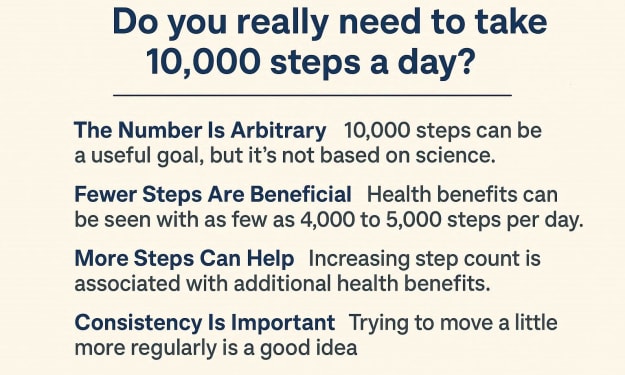
Do you really need to take 10,000 steps a day?
While most people avoid spending the night in jail, Jean Béliveau jumped at the opportunity. For the past three years, Béliveau had been walking from country to country, with the goal of circumnavigating the globe on foot. This required sleeping in tents, strangers’ homes, and the occasional jail cell along the way. But this morning, as Béliveau was ready to leave, the police chief, who had agreed to his sleeping arrangement, was nowhere to be found, and the guards weren’t buying his story. Few people have the time or desire to walk such extreme lengths.
By Munesh Yadavabout 13 hours ago in Education
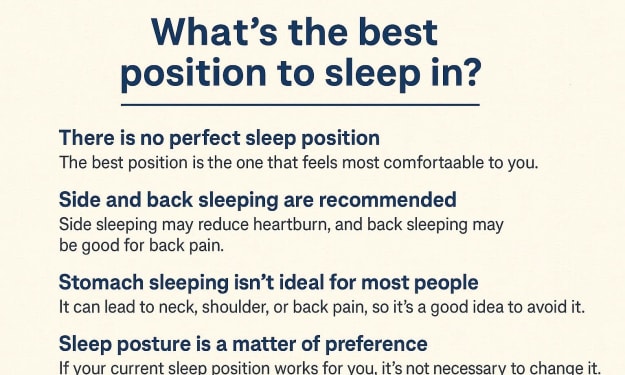
What’s the best position to sleep in?
In the 1970s, psychoanalyst Samuel Dunkell proposed a curious, albeit almost completely unsubstantiated, theory that the position you sleep in reflects your personality. For example, preferring to snooze in the so-called royal position indicated self-confidence, while sleeping semi-fetal meant you’re sensible and well adjusted. While Dunkell’s ideas lack any definitive proof, how we sleep can impact our health. So, what’s the best position to sleep in? Sleep positions go by countless creative names—
By Munesh Yadavabout 13 hours ago in Education


Comments
There are no comments for this story
Be the first to respond and start the conversation.