
The Most Important Elements of Jewelry Web Design
Key Elements to Elevate Your Online Jewelry Store's Design

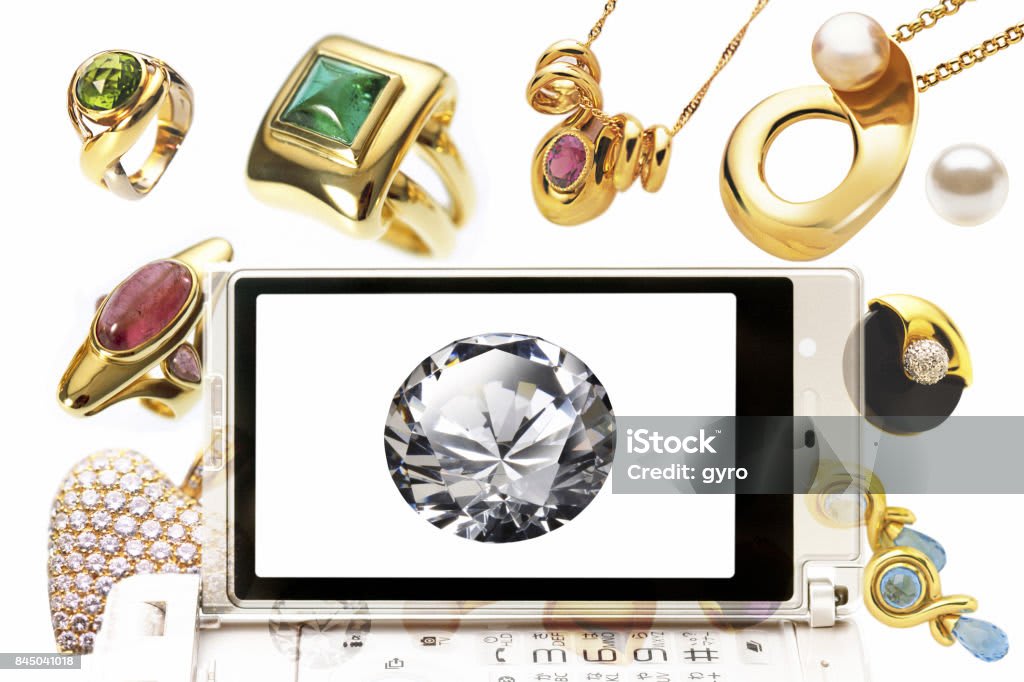
Designing a website for a jewelry business is a unique challenge that blends aesthetics, functionality, and user experience. Unlike other e-commerce sites, jewelry websites must convey elegance, luxury, and trustworthiness while providing a seamless shopping experience. Whether you’re starting from scratch or redesigning your current site, focusing on the right elements of jewelry web design can make all the difference in converting visitors into loyal customers. Here are the most important elements to consider.
1. Stunning Visuals and High-Quality Images
Jewelry is all about visual appeal. High-quality images and visuals are crucial in a jewelry web design to showcase your products' intricate details and craftsmanship. Use professional photography that highlights the sparkle, texture, and color of each piece. Consider implementing features like zoom capabilities, 360-degree views, and even videos to give customers a closer look. This attention to detail helps build trust and makes online shoppers more confident in their purchase decisions.
2. Elegant and Intuitive Design
The overall design of your website should reflect the elegance and sophistication of your jewelry. Choose a clean, minimalist layout with a refined color palette that complements your brand identity. Navigation should be intuitive, allowing customers to easily browse through collections, find specific pieces, and complete their purchases. An elegant, user-friendly design not only enhances the shopping experience but also reinforces the perception of your brand as high-end and trustworthy.
3. Mobile Responsiveness
With more people shopping on their smartphones, mobile responsiveness is no longer optional—it's essential. Your jewelry website should be fully optimized for mobile devices, ensuring that images load quickly, navigation remains smooth, and the shopping experience is as seamless on a phone or tablet as it is on a desktop. A mobile-responsive design helps capture more sales and keeps customers engaged, no matter how they access your site.
4. Detailed Product Descriptions
When it comes to jewelry, customers want to know exactly what they’re buying. Detailed product descriptions are a key element of effective jewelry web design. Include information about materials, dimensions, weight, and any unique features or certifications. Use descriptive language that evokes the beauty and value of each piece. This not only informs customers but also adds a personal touch that can help them connect with the jewelry.
5. Easy and Secure Checkout Process
The checkout process should be as simple and secure as possible. A complicated or untrustworthy checkout experience can lead to cart abandonment, costing you potential sales. Streamline the process by offering guest checkout options, multiple payment methods, and clear, upfront information about shipping costs and delivery times. Ensure that your site is equipped with SSL certificates and other security measures to protect customer data and build trust.6. Customer Reviews and Testimonials
Trust is critical when purchasing jewelry online, especially for higher-priced items. Incorporating customer reviews and testimonials into your web design can greatly enhance credibility. Positive feedback from previous customers can reassure potential buyers about the quality of your products and service. Highlighting testimonials, particularly those from satisfied customers who have made significant purchases, can be a powerful motivator for new customers.
7. Advanced Search and Filtering Options
Your website should make it easy for customers to find exactly what they're looking for. Implement advanced search and filtering options that allow users to narrow down their choices by factors like metal type, gemstone, price range, or style. This functionality improves the user experience and helps guide shoppers to the pieces that best meet their preferences, increasing the likelihood of a purchase.
8. Custom Jewelry Design Tools
For jewelry businesses that offer custom designs, providing an interactive design tool can set your website apart from the competition. This feature allows customers to create bespoke pieces by choosing their preferred settings, stones, and metal types. A well-designed custom tool can enhance engagement, provide a personalized shopping experience, and increase the perceived value of your offerings.
9. Educational Content and Blog
Educating your customers about jewelry can be a powerful way to build a connection and establish your brand as an authority in the industry. Include an educational blog or content section on your website where you share tips on jewelry care, buying guides, trends, and the history behind certain designs or materials. This not only adds value to the customer experience but also improves your site's SEO, driving more organic traffic to your site.
10. Strong Brand Identity
Your jewelry web design should reflect your brand’s unique identity. This includes everything from the logo and typography to the color scheme and tone of voice used throughout the site. A strong, consistent brand identity helps differentiate your business from competitors and creates a memorable impression on visitors. It’s important that every element of your web design, from the homepage to the checkout page, aligns with your brand's ethos and values.
Conclusion
Designing a successful jewelry website requires careful consideration of both aesthetic and functional elements. By focusing on stunning visuals, intuitive navigation, mobile responsiveness, and strong brand identity, you can create a website that not only attracts customers but also converts them into loyal buyers. Remember, your website is often the first impression potential customers will have of your brand—make sure it shines as brightly as the jewelry you sell.
About the Creator
Weingenious
Weingenious technocrats is the best software development company in India , providing Customized Software & Website Development, Mobile Application Development and IT Consulting Services.
Keep reading
More stories from Weingenious and writers in Education and other communities.
The Cost of E-Commerce Website Development: What You Need to Know
The expenses associated with creating an e-commerce website might differ significantly based on a number of variables. You can properly budget and make project-related decisions if you are aware of these costs. We'll dissect the major factors that affect the price of developing an e-commerce website in this blog post, from preliminary planning to continuous upkeep.
By Weingeniousabout a year ago in Education
The Psychology of Conviction: How Successful People Execute Bold Ideas Fearlessly
Executing bold ideas requires more than just ambition and creativity; it demands a powerful mindset. Many people come up with great ideas, but only a few can confidently and consistently turn those ideas into reality. What separates those who execute fearlessly from those who hesitate or abandon their plans is a deep psychological understanding of conviction.
By Brian Ferdinand7 days ago in Education


Comments (1)
Thanks for the analysis